In today’s fast-paced hospitality industry, where guest expectations are evolving by the day and operational efficiency can make or break a hotel’s reputation, hotel digital signage solutions have emerged as a non-negotiable investment rather than a luxury. Whether you’re a hotel owner planning a major renovation, a decision-maker at a hotel group seeking scalable systems for multiple properties, or a procurement manager tasked with outfitting a new build with cutting-edge self-service and communication tools, one question dominates your search: Does this solution truly address my unique pain points, deliver measurable value, and align with my project goals?
If you’ve found yourself stuck evaluating clunky, one-size-fits-all digital signage that fails to integrate with your existing property management system (PMS), or struggling to source reliable hardware that can run 24/7 without glitches—you’re not alone. The modern hotel procurement journey is fraught with challenges: balancing diverse screen needs for lobbies, restaurants, elevators, and conference rooms; ensuring seamless compatibility with legacy systems; finding suppliers that can customize solutions to match your brand identity; and justifying the investment with clear ROI. That’s where integrated hotel digital signage solutions come in. Far from being just a collection of screens, these end-to-end systems are designed to solve your biggest headaches, elevate the guest experience, and unlock new revenue streams—all while simplifying your day-to-day operations. In this comprehensive guide, we’ll break down exactly how these solutions work, why top hospitality brands are ditching outdated signage for digital alternatives, and how to select the right partner for your project.
Are you currently in the market for hotel digital signage solutions for one of these scenarios? A full-scale hotel renovation project, where you’re looking to modernize guest-facing spaces with sleek, high-impact digital displays and self-service kiosks. A smart hotel upgrade initiative, aiming to reduce front desk congestion, enhance F&B sales, and create a more intuitive guest journey. A hotel digital transformation project, seeking to unify communication across multiple properties under a single, easy-to-manage digital signage system. A new hotel construction build-out, where you need to design a digital signage strategy from the ground up—one that scales with your property’s growth. A hotel group procurement manager, tasked with sourcing a scalable, consistent hotel digital signage platform for 10+ properties across different regions.
If any of these sound familiar, you’re exactly the audience this guide is for. We’re cutting through the jargon and sales pitches to focus on what you care about: solving your procurement pain points, validating the value of this investment, and giving you the tools to make a confident, data-driven decision.
Before diving into solutions, let’s address the core hurdles that make selecting hotel digital signage solutions so daunting:
1. Diverse display requirements: A single hotel needs multiple screen types—small touchscreens for check-in kiosks, large vertical displays for lobbies, menu boards for restaurants, elevator signage for wayfinding, and outdoor DOOH (digital out-of-home) signage for branding. Finding a supplier that can offer all these variants in one place saves countless hours of vendor coordination.
2. System compatibility: Your hotel’s PMS, booking software, and internal communication tools are the backbone of operations. The last thing you need is a digital signage system that can’t integrate with them, leading to disjointed guest experiences and manual data entry headaches.
3. 24/7 reliability: Hotels run around the clock. A digital signage screen that crashes mid-check-in, fails to update menu prices, or dims unexpectedly can ruin a guest’s stay—and damage your brand’s reputation. Commercial-grade hardware is non-negotiable.
4. Customization limitations: Off-the-shelf signage rarely matches your hotel’s brand aesthetic. You need solutions that let you customize the UI, add your logo, design unique enclosures, and even develop custom software features for niche use cases.
5. Scalability: If you’re a hotel group, you need a system that can expand to new properties without reworking the entire infrastructure. One-size-fits-all solutions won’t cut it for multi-location deployments.
At Qtenboard, we’ve built our hotel digital signage solutions to eliminate these pain points entirely. Our end-to-end platform includes a full suite of purpose-built hardware, all designed to work in harmony with your existing systems and workflows. The core product lineup includes: digital menu boards for restaurants, bars, and in-room dining services; elevator digital signage for wayfinding, event promotions, and guest information; DOOH digital signage for hotel entrances, lobbies, and outdoor spaces to drive brand awareness and ancillary revenue; check-in/check-out kiosks and payment kiosks to streamline front desk operations and reduce wait times; indoor vertical digital signage for lobbies, hallways, and common areas to showcase local attractions, promotions, and guest amenities; room scheduling displays and room booking displays for conference rooms and event spaces, ensuring efficient space utilization.
Every product in our lineup is engineered with hotel-specific needs in mind—from commercial-grade durability to seamless PMS integration. In the sections below, we’ll break down how each solution works, its real-world applications, and the measurable benefits it delivers to both guests and hotel operations.
The shift to hotel digital signage solutions isn’t just a trend—it’s a business imperative. Industry data and real hotel case studies prove that these systems deliver tangible, bottom-line results that justify the investment. Let’s start with the hard numbers:
- Guest preference for self-service: Research by the American Hotel & Lodging Association (AHLA) found that 68% of hotel guests prefer self-service check-in kiosks over traditional front desk interactions, citing faster service and greater privacy as key reasons. Hotels with self-service kiosks report a 40% reduction in front desk wait times during peak check-in hours. For example, a 150-room business hotel in Chicago installed four check-in/check-out kiosks and saw peak wait times drop from 25 minutes to just 8 minutes, resulting in a 35% increase in guest satisfaction scores.
- Ancillary revenue growth: Hotels using hotel digital signage (particularly digital menu boards and DOOH advertising) see a 20–30% increase in ancillary revenue from restaurant upsells, spa bookings, and local attraction partnerships. A mid-sized hotel in Las Vegas generated an extra $120,000 annually in F&B upsell revenue alone after installing digital menu boards in its main restaurant and pool bar. Similarly, a beach resort in Thailand used DOOH digital signage to promote local tour packages, earning $75,000 in referral fees in its first year.
- Upsell effectiveness: Digital menu boards that display high-quality images and dynamic promotions increase restaurant upsell rates by 25%, according to a 2024 study by Hospitality Technology. Guests are 3x more likely to order add-ons (e.g., drinks, desserts, premium sides) when they see visual prompts than when reading static menus. A boutique hotel in Paris reported that its dessert sales increased by 40% after adding “limited-time” visual prompts to its digital menu boards.
- Operational cost savings: Hotels that adopt automated digital signage reduce front desk staff hours by 15–20% for check-in/check-out tasks, according to AHLA data. Over three years, this translates to an average savings of $35,000 per property in labor costs. A hotel group with 20 properties across Europe estimated that its hotel digital signage solutions saved the company over $700,000 in annual labor expenses.
Beyond the numbers, hotel digital signage solutions deliver three overarching benefits that resonate with every procurement team:
In an industry where guest satisfaction directly impacts reviews and repeat bookings, digital signage creates a more seamless, personalized journey. Self-service kiosks let guests check in or pay at their own pace, while real-time information displays (e.g., elevator wait times, local weather, event schedules) reduce stress and confusion. For example, a luxury resort in Bali used indoor vertical digital signage in its lobby to display personalized welcome messages (pulled from guest booking data) and resort maps, resulting in a 22% increase in positive guest reviews mentioning “ease of navigation” and “personalized service.” Similarly, a business hotel in Tokyo installed elevator digital signage that displayed meeting room locations and Wi-Fi credentials, cutting guest questions to the front desk by 38%.
Automation is the name of the game. Digital signage eliminates manual tasks like updating menu prices, posting event schedules, or relaying last-minute room changes to guests. With cloud-based content management, you can update displays across all your properties in minutes—no need to send staff to each screen to make changes. For a hotel group with 15 properties in Europe, this reduced content update time from 8 hours per week to 30 minutes total. Additionally, room scheduling displays eliminate double-bookings and reduce time spent by staff checking room statuses, freeing up team members to focus on guest service rather than administrative tasks.
DOOH digital signage isn’t just for displaying hotel information—it’s a revenue generator. Partner with local businesses (e.g., tour companies, restaurants, spas, airports) to display their ads on your lobby or entrance screens, and earn passive advertising revenue. A boutique hotel in New York City generated $45,000 in its first year by selling ad space to local attractions and a nearby theater, offsetting 15% of its digital signage implementation costs. Similarly, a convention hotel in Dubai used digital menu boards to promote catering packages for conference attendees, increasing catering revenue by 28% in six months.
To truly understand the value of hotel digital signage solutions, it’s critical to map them to your hotel’s specific spaces and workflows. Below, we break down the top applications, complete with details on content, operational value, and ROI to help you visualize how each solution fits your project.
The lobby is your hotel’s “living room”—the first space guests see and the hub for check-in, wayfinding, and information. hotel digital signage solutions for the lobby focus on reducing friction, enhancing brand image, and delivering critical information at a glance.
- Check-in/check-out kiosks: These self-service stations are the workhorses of the lobby. Equipped with touchscreens and integrated with your PMS, they let guests complete check-in in under 60 seconds—even during peak morning rush hours. Qtenboard’s kiosks support contactless check-in (via QR codes or mobile apps) and biometric verification for added security, aligning with modern guest preferences for touch-free interactions. Guests can also select room preferences (e.g., high floor, non-smoking) and print room keys directly from the kiosk. Operational Value: Cuts front desk workload by 50% during check-in/check-out, freeing staff to focus on high-touch guest service (e.g., concierge services, complaint resolution). ROI: A 100-room hotel with two kiosks can recoup the investment in 12–18 months via labor savings alone.
- Payment kiosks: Post-stay, guests can use these kiosks to settle bills, request receipts, and resolve any outstanding charges—no need to wait in line at the front desk. Qtenboard’s payment kiosks integrate with major payment gateways (e.g., PayPal, Stripe, credit card processors) and your hotel’s accounting system, ensuring secure, real-time transaction processing. They also support multiple languages, making them ideal for international guests. Operational Value: Reduces front desk congestion during check-out hours and minimizes errors in manual billing.
- Indoor vertical digital signage: Tall, sleek displays (43”–75”) line lobby walls to showcase stunning property imagery, local attraction recommendations, real-time flight/train schedules, and promotional offers (e.g., “20% off spa treatments this weekend”). The vertical format is ideal for high-traffic lobbies, as it’s visible from multiple angles without taking up valuable floor space. Qtenboard’s vertical displays feature high brightness and anti-glare technology, ensuring visibility even in well-lit lobbies. Customization Tip: Match the signage UI to your hotel’s brand colors and fonts for a cohesive look, and integrate guest data to display personalized messages (e.g., “Welcome back, Mr. Smith—your favorite room is ready”).
F&B is a major revenue driver for hotels, and digital menu boards are the secret to maximizing that revenue while simplifying staff workflows. Static menus are outdated, costly to replace, and fail to capture guest attention—digital menu boards solve all these problems and more.
Digital menu boards replace static paper or printed menus with dynamic, eye-catching displays that update in real time. Qtenboard’s digital menu boards are available in 21.5” (countertop) to 55” (wall-mounted) sizes, with high brightness and anti-glare coatings to ensure visibility even in bright restaurant settings. They’re also built with commercial-grade panels to withstand 24/7 operation, making them ideal for hotels with 24-hour dining options.
Content & Promotions: Display high-res food photography, rotating daily specials, seasonal menus, and upsell prompts (e.g., “Add a craft cocktail for $5 more” or “Upgrade to a premium dessert for $3”). You can also display real-time inventory alerts (e.g., “Seafood paella—only 3 servings left”) to reduce waste and guide guest choices. For breakfast service, you can auto-update the menu at 7 AM to show morning options, then switch to lunch at 11 AM—no manual intervention required. Operational Value: Eliminates the need for staff to print and replace physical menus, saving 2–3 hours of labor per day. Price updates can be made remotely from a central dashboard, ensuring consistency across all restaurant locations (e.g., lobby bar, poolside café, room service). ROI: A 50-seat restaurant with one digital menu board can increase F&B revenue by $15,000–$20,000 annually via upsells and reduced waste.
Integration: Sync menu boards with your restaurant’s POS system to auto-update prices and inventory in real time—no manual data entry required. This ensures that guests never see out-of-stock items or incorrect prices, reducing guest complaints and improving satisfaction.
Elevators are high-traffic, underutilized spaces for communication. Elevator digital signage turns these small, captive spaces into opportunities to deliver information and drive engagement, while also reducing guest confusion.
Qtenboard’s elevator digital signage is designed specifically for the unique constraints of elevator cabs: compact sizes, vibration resistance, and low power consumption. Available in 18” and 21.5” touchscreen variants, these displays deliver critical information to guests while they’re confined to the elevator—turning wait time into a valuable communication opportunity.
Content & Value: Display floor directories (so guests never miss their floor), real-time elevator wait times, local event calendars, and subtle brand messaging (e.g., “Thank you for choosing [Hotel Name]”). For business hotels, add meeting room schedules and contact information for the business center. For resort hotels, promote on-site amenities like spas, pools, and restaurants. You can also display safety information (e.g., emergency exit routes) to ensure compliance with local regulations. Operational Value: Reduces front desk calls for wayfinding questions by 30%, as guests can quickly find their destination floor. It also reduces guest anxiety by providing real-time wait times, so guests know how long they’ll be waiting for an elevator. Customization: Add your hotel’s logo and brand colors to the display interface for a cohesive experience, and adjust content based on the time of day (e.g., morning: breakfast promotions; evening: dinner and bar specials).
For business and event hotels, efficient conference room management is critical to maximizing revenue. Room scheduling displays and room booking displays eliminate double-bookings and ensure guests can easily find available spaces—saving time for both guests and staff.
These displays are wall-mounted outside conference rooms and event spaces, providing a clear, real-time view of room availability. Qtenboard’s room scheduling displays integrate with your hotel’s booking and calendar systems (e.g., Microsoft Outlook, Google Calendar, hotel PMS), automatically updating when a room is booked, in use, or available.
Content & Value: Display the room’s current status (e.g., “Booked until 2 PM,” “Available next”), booking details (e.g., “Client X Annual Meeting,” “Host: Jane Smith”), and contact information for the event coordinator. For self-service booking, add a touchscreen interface that lets guests reserve available rooms on the spot—ideal for impromptu meetings. You can also display room capacity, amenities (e.g., projector, whiteboard, Wi-Fi credentials), and cleaning status to ensure guests have all the information they need. Operational Value: Eliminates double-bookings and reduces time spent by staff checking room statuses. A 200-room conference hotel with 10 scheduling displays can increase conference room utilization by 15–20%. ROI: Higher space utilization translates to an extra $50,000–$80,000 in conference revenue annually for a mid-sized event hotel.
The hotel entrance is the first touchpoint for potential guests (and passersby), making it the perfect spot for DOOH digital signage to build brand awareness and drive new bookings. It’s also a valuable tool for engaging existing guests with important information.
Available in 43”–86” sizes, Qtenboard’s DOOH digital signage is built for outdoor use with weather-resistant enclosures (IP65 rating) and high brightness (1500+ nits) to stand out in sunlight. These displays are versatile tools for both existing guests and potential customers, delivering value in multiple ways.
Content & Revenue: For existing guests: Display local weather, parking information, and resort maps to help them navigate the area. For potential guests: Run promotional videos of the hotel’s amenities (e.g., pool, spa, restaurant), special offers (e.g., “Book a 2-night stay and get a free breakfast”), and last-minute availability to drive walk-in bookings. You can also partner with local businesses (e.g., tour companies, luxury retailers, airports) to display their ads on the screen, earning passive advertising revenue. Revenue Potential: A beachfront hotel in Florida can earn $20,000–$30,000 annually in DOOH ad revenue from local tourism boards and attraction partners. Operational Value: Remote content management lets you update promotions across all your properties’ entrances in minutes, ensuring you can capitalize on seasonal events (e.g., local festivals, holiday travel surges, conference seasons). The weather-resistant design ensures the display lasts for years, even in harsh outdoor conditions.
When evaluating hotel digital signage solutions, procurement teams focus on a handful of non-negotiable features that directly impact performance, compatibility, and ease of use. The table below breaks down the most critical features and why they matter for hotel projects:
| Feature | Why It Matters for Hotel Projects |
|---|---|
| 4K Ultra HD Display | Delivers crystal-clear, high-impact visuals for food imagery, promotional videos, and property branding. Guests notice the difference in quality, and it elevates your hotel’s perceived value. For digital menu boards and DOOH digital signage, 4K resolution ensures food photos and videos look appetizing and professional, driving more upsells and brand recognition. |
| 24/7 Commercial-Grade Panel | Built to run continuously without overheating or hardware failure. Hotels operate 24/7, so commercial-grade panels (with a 50,000+ hour lifespan) are essential to avoid costly replacements and downtime. Consumer-grade panels are not designed for constant use and will fail quickly in hotel environments, leading to guest dissatisfaction and additional procurement costs. |
| Android 14/16 / Windows System | Ensures seamless integration with your hotel’s existing systems (PMS, POS, booking software). Android systems are ideal for simple, cost-effective displays (e.g., elevator digital signage, room scheduling displays), while Windows systems are better for complex applications (e.g., check-in/check-out kiosks with biometric verification). Both offer flexibility for future software updates and customizations. |
| Cloud CMS Integration | Allows remote management of content across multiple properties from a single dashboard. This is critical for hotel groups, as it eliminates the need to send staff to each location to update displays. You can schedule content in advance, update promotions in real time, and monitor screen performance—saving time and reducing operational costs. |
| AI Smart Content | Automates content updates based on guest behavior, time of day, and external data (e.g., weather, local events). For example, AI can adjust digital menu boards to promote hot drinks on cold days or DOOH digital signage to promote pool access on sunny days. It also provides analytics on content performance, so you can see which promotions drive the most engagement and revenue. |
| Touch Screen Support | Essential for self-service applications like check-in/check-out kiosks, payment kiosks, and room booking displays. Qtenboard’s touch screens are durable, scratch-resistant, and responsive, ensuring a smooth guest experience. They also support multi-touch gestures, making it easy for guests to navigate menus and complete tasks quickly. |
| High Brightness | Ensures visibility in bright environments like lobbies, restaurant patios, and outdoor entrances. For DOOH digital signage, high brightness (1500+ nits) is critical to stand out in sunlight, while indoor displays (e.g., digital menu boards) need sufficient brightness to be visible in well-lit spaces without causing eye strain. |
| Customization Support | Allows you to match the signage to your hotel’s brand identity—critical for luxury and boutique hotels. Customization options include logo branding, UI design, color matching, enclosure design, and custom software features. This ensures your hotel digital signage solutions feel cohesive with your overall brand, rather than looking like an afterthought. |
This section is the heart of your procurement journey—it’s where you’ll find the critical details you need to select the right hotel digital signage solutions for your project. We’ve broken down the key information you need to make an informed decision, including available sizes, system options, and customization capabilities.
Qtenboard offers hotel digital signage in a full range of sizes to fit every hotel space, from compact elevator displays to large outdoor DOOH screens. The right size depends on the application, and we’ll help you select the perfect fit for your needs. Available sizes include:
10.1”, 13.3”, 21.5”, 32”, 43”, 49”, 55”, 65”, 75”, 86”
Here’s how to match sizes to applications:
- 10.1”–13.3”: Ideal for elevator digital signage and small check-in kiosks (e.g., in boutique hotels with limited lobby space).
- 21.5”: Perfect for room scheduling displays (mounted outside conference rooms) and countertop digital menu boards (e.g., in coffee shops or lobby bars).
- 32”–43”: Great for indoor vertical digital signage in hallways, small lobbies, and restaurant dining areas. Also suitable for compact check-in/check-out kiosks.
- 49”–55”: The most versatile size—ideal for digital menu boards (wall-mounted in restaurants), indoor vertical digital signage in large lobbies, and mid-sized DOOH digital signage (indoor entrances).
- 65”–86”: Designed for large spaces—DOOH digital signage (outdoor entrances, parking lots), main lobby indoor vertical digital signage, and large conference room displays.
We understand that every hotel has unique technology needs, which is why we offer flexible system options to integrate seamlessly with your existing infrastructure. Our system options include:
- Operating Systems: Android 14 / Android 16 (ideal for simple displays, cost-effective, easy to maintain) and Windows OPS (ideal for complex applications like check-in/check-out kiosks with advanced software integration).
- Processing Boards: RK3568 (entry-level, perfect for basic displays like elevator digital signage), T982 (mid-range, ideal for digital menu boards and room scheduling displays), and 9679 boards (high-performance, for check-in kiosks and DOOH digital signage with AI features).
- AI Software Integration: Optional AI features include guest behavior analytics, content automation, and predictive maintenance (alerts you when a screen needs service before it fails). This is ideal for hotel groups looking to optimize their hotel digital signage solutions and reduce downtime.
We believe your hotel digital signage solutions should reflect your brand’s unique identity, which is why we offer comprehensive customization options to meet your specific needs. Our customization capabilities include:
- Logo Branding: Add your hotel’s logo to all displays, including startup screens, menu interfaces, and idle screens.
- UI Interface Design: Customize the display interface to match your brand colors, fonts, and design aesthetic. We’ll work with your team to create a cohesive look that aligns with your hotel’s style (e.g., luxury, modern, boutique).
- CMS & PMS Integration: Customize the content management system to integrate with your existing PMS, POS, booking software, and calendar tools. This ensures seamless data sync and eliminates manual data entry.
- Color & Enclosure Design: Customize the display enclosure color (e.g., black, white, gold, custom Pantone colors) to match your hotel’s decor. We also offer custom enclosure designs for unique spaces (e.g., curved displays for lobbies, waterproof enclosures for outdoor areas).
- OEM / ODM Manufacturing: For hotel groups and large-scale projects, we offer OEM/ODM services to create fully customized hotel digital signage solutions with your brand name, unique hardware design, and custom software features. This is ideal for brands looking to differentiate themselves in the market.
When it comes to sourcing hotel digital signage solutions, more and more hospitality brands are turning to Chinese manufacturers—and for good reason. China’s manufacturing ecosystem offers three key advantages that align perfectly with hotel procurement needs: cost competitiveness, scalability, and customization capability. And among Chinese manufacturers, Qtenboard stands out as a trusted partner for top hospitality brands worldwide.
1. Competitive Pricing: Chinese manufacturers benefit from economies of scale, lower production costs, and a robust supply chain—translating to lower prices for high-quality hotel digital signage without compromising on performance. Qtenboard offers prices 20–30% lower than Western manufacturers, making it easier to stay within your procurement budget while still getting commercial-grade hardware.
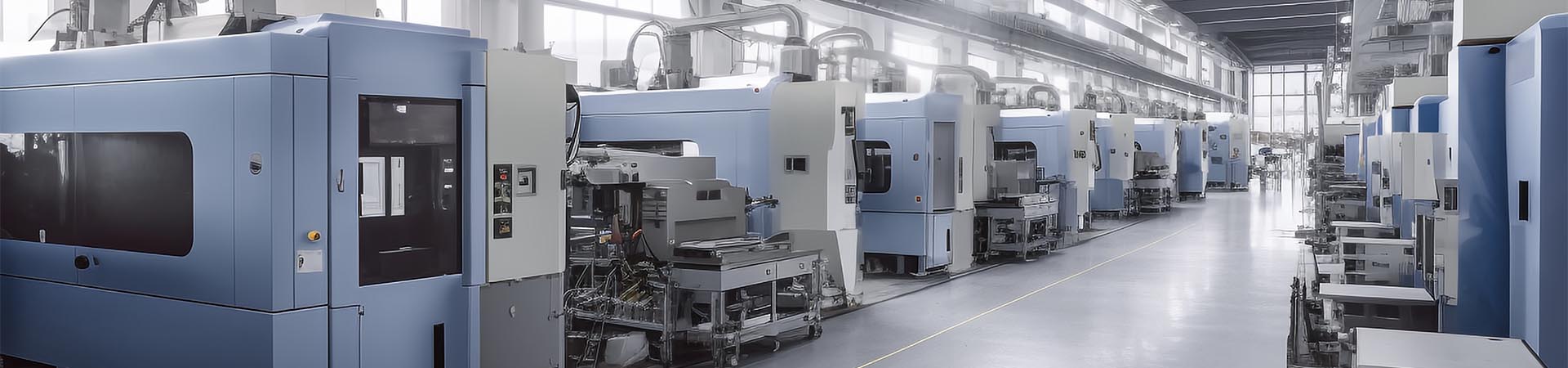
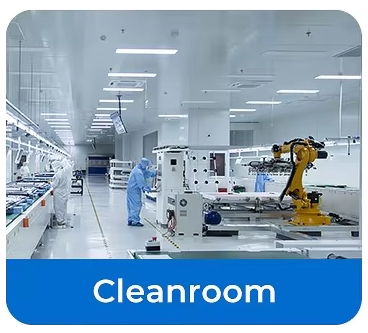
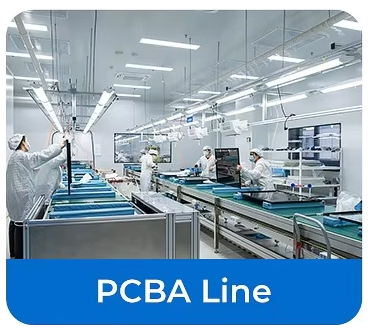
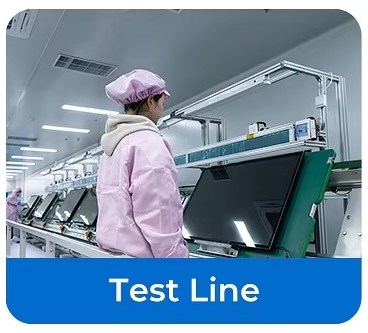
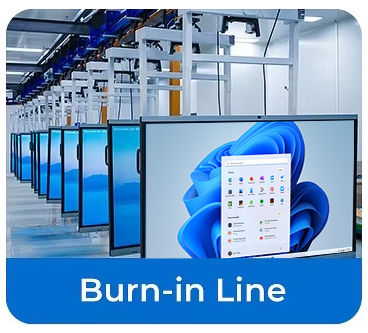
2. Large-Scale Manufacturing: China’s manufacturing infrastructure allows for large-scale production, which is critical for hotel groups with multiple properties. Qtenboard has a 50,000-square-meter factory with 10 production lines, capable of producing 100,000+ displays annually. This means we can fulfill large orders quickly and consistently, ensuring all your properties receive the same high-quality hotel digital signage solutions.
3. Fast OEM Capability: Chinese manufacturers specialize in fast OEM/ODM customization, which is essential for hotels looking to brand their digital signage. Qtenboard’s R&D team can turn around custom designs (e.g., unique enclosures, UI interfaces) in 2–4 weeks—far faster than Western manufacturers, which often take 8–12 weeks for custom projects.
4. Flexible Product Development: Chinese manufacturers are more flexible when it comes to adapting products to meet specific hotel needs. Whether you need a custom screen size, unique software integration, or a specialized enclosure, Qtenboard’s team can adjust our hotel digital signage solutions to fit your project—no rigid “one-size-fits-all” approach.
5. Global Experience: Qtenboard has supplied hotel digital signage solutions to 50+ countries, including the US, Europe, Southeast Asia, and the Middle East. We understand the unique requirements of different markets (e.g., voltage standards, certification requirements) and can ensure your displays comply with local regulations.
Qtenboard’s commitment to quality, reliability, and customer service sets us apart from other Chinese manufacturers. We use only high-quality components (e.g., Samsung, LG panels) and conduct rigorous quality control tests on every display before it ships. Our team also provides global technical support, ensuring you have the help you need, no matter where your properties are located.
Selecting the right supplier is just as important as selecting the right hotel digital signage solutions. For procurement teams, trust is key—and that trust is built on E-E-A-T (Experience, Expertise, Authoritativeness, Trustworthiness). Below, we’ll break down the critical factors to evaluate when choosing a supplier, so you can avoid costly mistakes and ensure a smooth implementation.
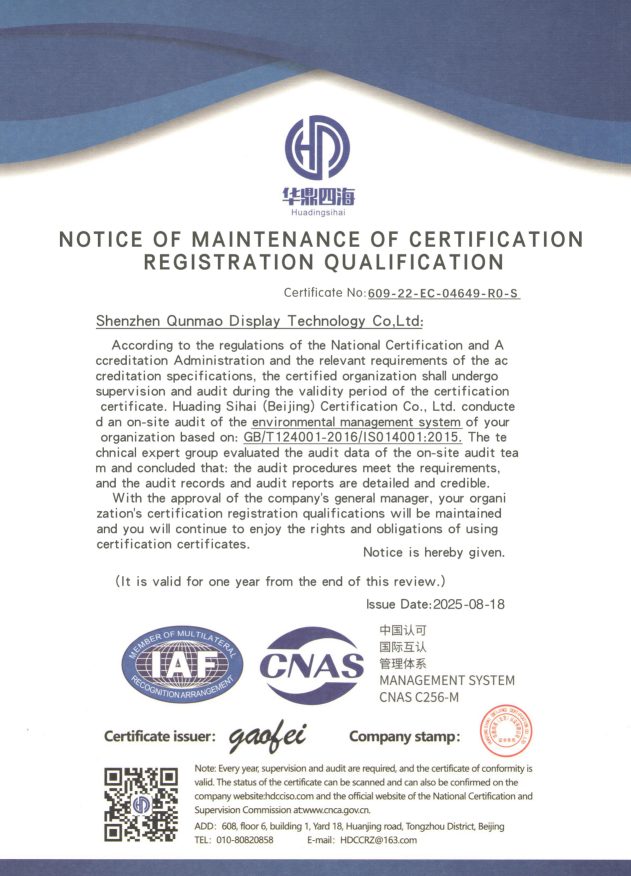
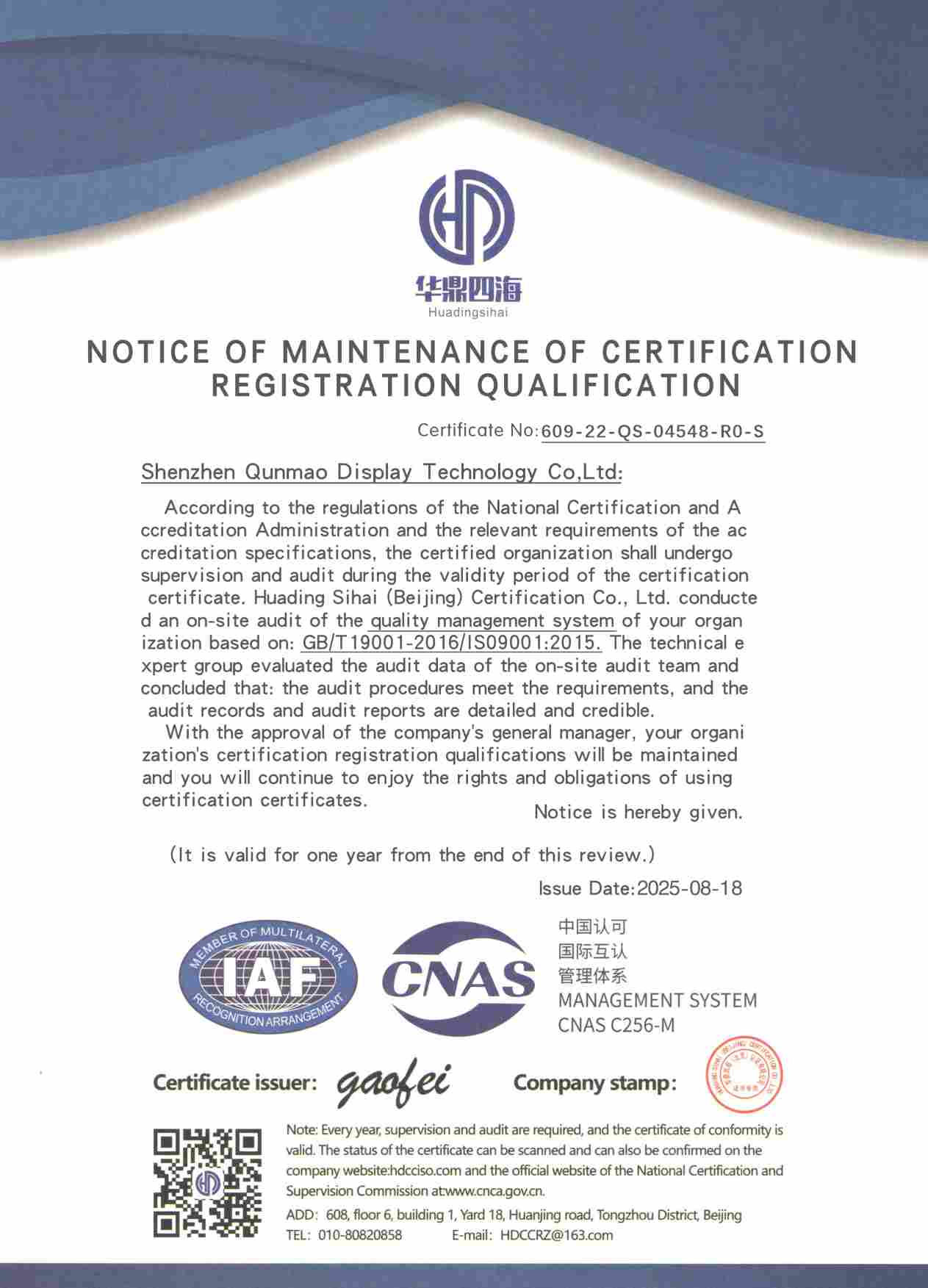
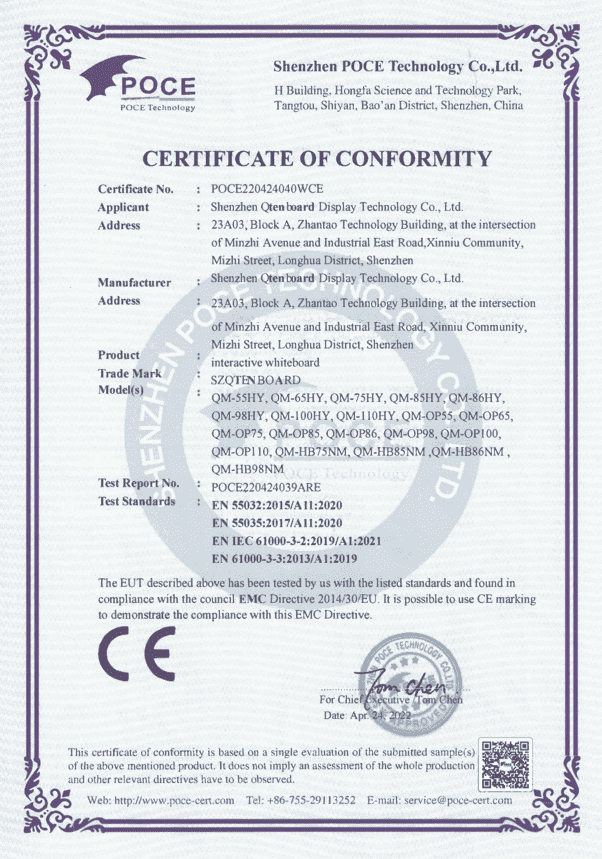
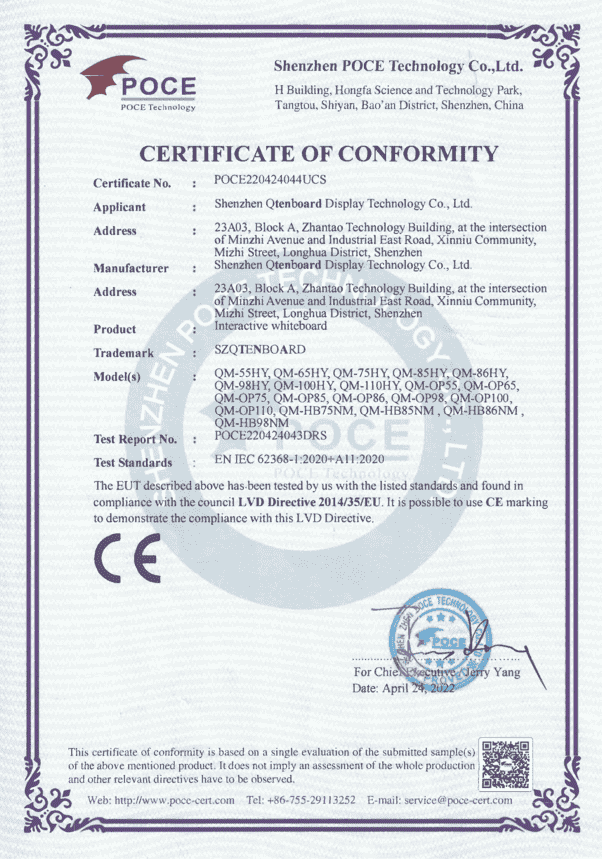
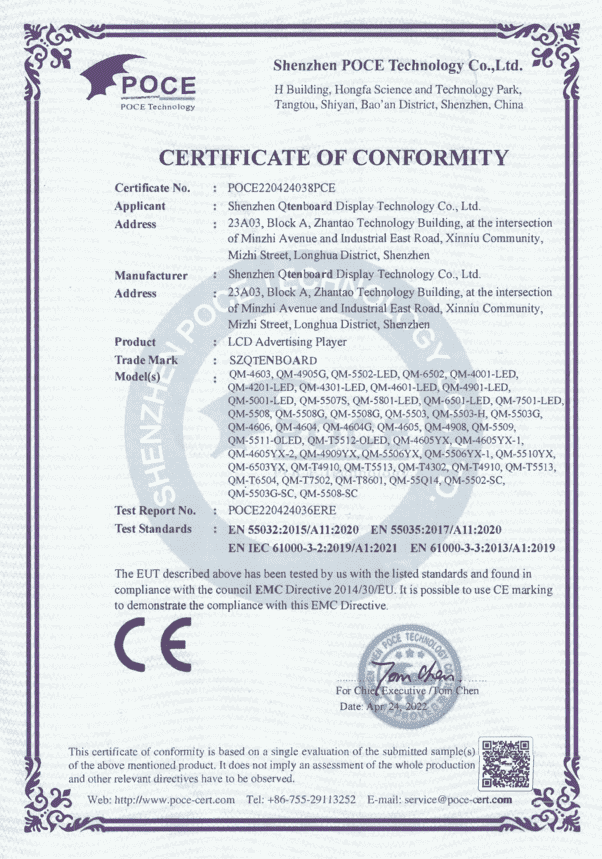
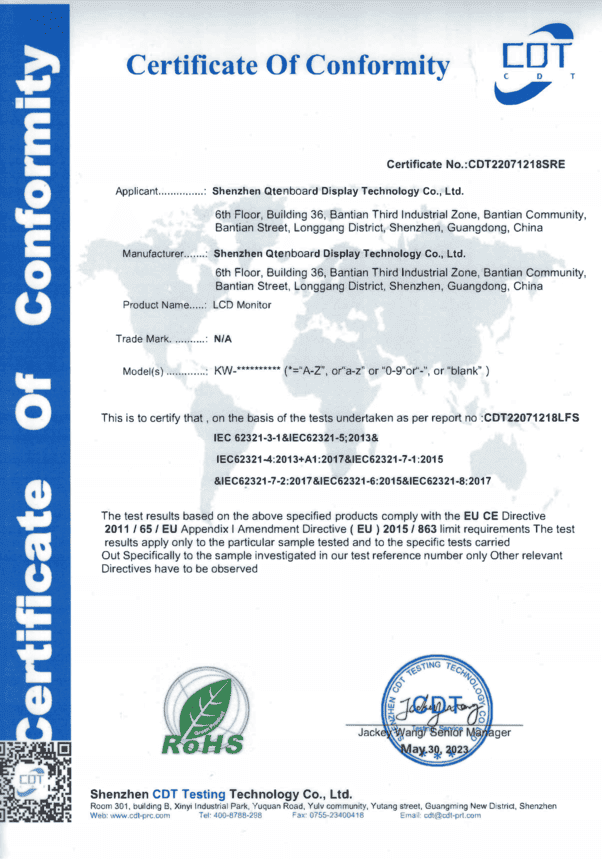
Certifications are a clear indicator of a supplier’s commitment to quality and compliance. Look for suppliers that hold the following certifications for their hotel digital signage solutions:
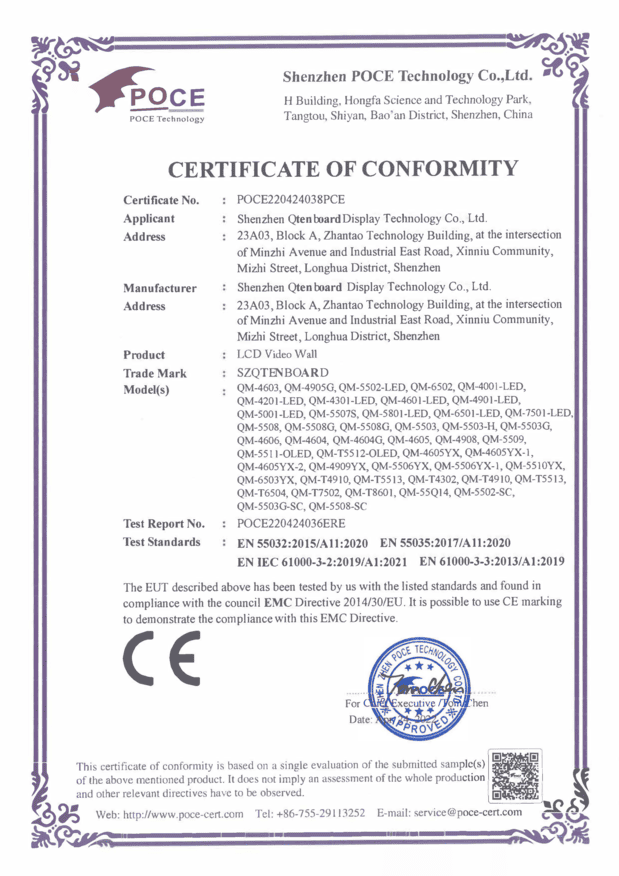
- CE: Ensures compliance with European safety, health, and environmental standards—critical if your properties are in the EU or EEA.
- FCC: Ensures compliance with US electromagnetic interference (EMI) standards—required for displays sold or used in the US.
- RoHS: Ensures the display is free of hazardous substances (e.g., lead, mercury)—important for environmental compliance and brand reputation.
- ISO9001: Certifies that the supplier has a quality management system in place to ensure consistent product quality and customer satisfaction.
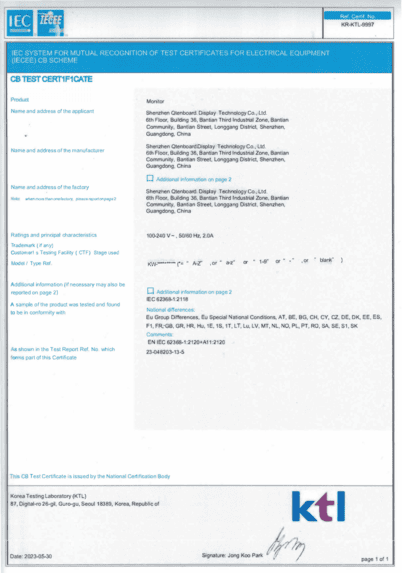
Qtenboard holds all these certifications, and our hotel digital signage solutions comply with global standards—so you can be confident your displays are safe, reliable, and compliant.
A supplier’s manufacturing experience directly impacts the quality and reliability of their products. Look for suppliers with:
- Factory Production Lines: A dedicated factory with multiple production lines ensures the supplier can handle large orders and maintain consistent quality. Qtenboard’s factory has 10 production lines, automated assembly equipment, and a dedicated quality control team.
- Hardware R&D Capability: A strong R&D team ensures the supplier can innovate and adapt to new technologies (e.g., AI, cloud integration). Qtenboard has a 20-person R&D team with 5+ years of experience in hotel digital signage, constantly updating our products to meet evolving hotel needs.
- Industry Experience: Look for suppliers with a proven track record in the hospitality industry. Qtenboard has 8+ years of experience supplying hotel digital signage solutions to hotels of all sizes—from boutique properties to large hotel groups. We understand the unique challenges of hotel operations and design our products accordingly.
After-sales support is critical for hotel digital signage solutions, as downtime can impact guest experience and revenue. Look for suppliers that offer:
- Remote Support: 24/7 technical support via phone, email, or video call to resolve issues quickly. Qtenboard’s support team is available 24/7, and we can remotely diagnose and fix most software issues in minutes.
- Firmware Updates: Regular firmware updates to improve performance, add new features, and fix bugs. Qtenboard provides free firmware updates for 3 years after purchase, ensuring your hotel digital signage stays up-to-date.
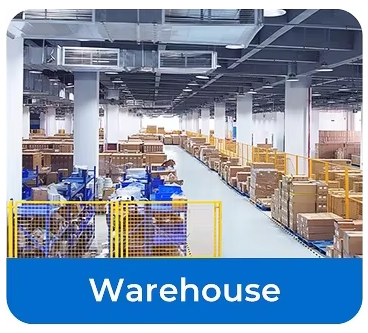
- Spare Parts Supply: A global network of spare parts to minimize downtime. Qtenboard has spare parts warehouses in the US, Europe, and Asia, so you can get replacement parts quickly—usually within 24–48 hours.
- Warranty: A comprehensive warranty to cover hardware defects. Qtenboard offers a 2-year warranty on all hotel digital signage solutions, with the option to extend to 3 years for additional peace of mind.
The best way to validate the value of hotel digital signage solutions is to look at real-world case studies. Below are three examples of how Qtenboard’s solutions have helped hotels improve guest experience, streamline operations, and drive revenue.
Client: A mid-sized hotel group with 8 properties across Thailand, Malaysia, and Singapore (150–200 rooms per property).
Challenge: The group needed a scalable hotel digital signage solution to unify communication across all properties, reduce operational costs, and drive F&B revenue.
Solution: Qtenboard supplied indoor vertical digital signage (55” and 65” sizes) for lobbies, digital menu boards (43” and 55” sizes) for restaurants and bars, and a cloud-based CMS to manage content across all properties.
Results: The group saw a 25% increase in F&B upsells from digital menu boards, a 30% reduction in content update time (from 6 hours per week to 1 hour), and a 18% increase in guest satisfaction scores. The cloud CMS allowed the group to update promotions across all 8 properties in minutes, ensuring consistency and saving staff time.
Client: A luxury smart hotel in Dubai (300 rooms) undergoing a digital transformation to enhance guest experience and reduce front desk workload.
Challenge: The hotel needed self-service solutions to reduce front desk congestion, improve check-in/check-out efficiency, and align with its “smart hotel” brand identity.
Solution: Qtenboard supplied 6 check-in/check-out kiosks (21.5” touchscreens with biometric verification), 4 payment kiosks, and elevator digital signage (10.1” sizes) for wayfinding. All solutions were integrated with the hotel’s PMS and POS systems.
Results: Front desk wait times dropped by 45%, staff workload reduced by 20%, and guest satisfaction scores increased by 22%. The check-in/check-out kiosks handled 60% of all check-in/check-out transactions, freeing staff to focus on high-touch guest service. The hotel also saw a 15% reduction in billing errors thanks to the payment kiosks.
Client: A conference hotel in London (250 rooms, 12 conference rooms) looking to optimize conference room utilization and reduce administrative tasks.
Challenge: The hotel struggled with double-bookings, guest confusion about room availability, and time spent by staff checking room statuses.
Solution: Qtenboard supplied 12 room scheduling displays (21.5” touchscreens) mounted outside each conference room, integrated with the hotel’s booking system. The displays showed real-time availability, booking details, and room amenities.
Results: Double-bookings were eliminated entirely, conference room utilization increased by 18%, and staff time spent checking room statuses reduced by 35%. Guests reported a 27% increase in satisfaction with conference room services, and the hotel saw an extra $65,000 in annual conference revenue from higher space utilization.
We understand that pricing is a critical factor in your procurement decision—and while we don’t publish fixed prices (as they vary based on your specific needs), we’re transparent about how pricing is determined. Below, we’ll break down the key factors that influence the cost of hotel digital signage solutions and walk you through our simple procurement process.
The price of your hotel digital signage solutions depends on four key factors:
1. Screen Size: Larger screens (e.g., 65”–86”) cost more than smaller screens (e.g., 10.1”–21.5”) due to higher material and production costs.
2. System Configuration: Advanced configurations (e.g., Windows OPS, AI features, high-performance processing boards) cost more than basic configurations (e.g., Android 13, entry-level boards).
3. Quantity: Larger orders qualify for volume discounts. Hotel groups ordering 50+ displays will receive a significant discount compared to smaller orders.
4. Customization: Custom features (e.g., OEM/ODM manufacturing, custom enclosures, UI design) add to the cost, but they’re often worth the investment for brands looking to differentiate themselves.
To get an accurate quote, simply share your project details (e.g., number of displays, sizes, applications, customization needs), and our team will provide a customized quotation tailored to your budget.
We’ve designed our procurement process to be simple, efficient, and transparent—so you can get your hotel digital signage solutions up and running as quickly as possible. The process has 5 easy steps:
1. Send Project Requirements: Share your project details with our team (e.g., number of properties, display sizes, applications, customization needs, timeline). You can do this via email, phone, or our website contact form.
2. Receive Product Recommendation: Our team will review your requirements and provide a tailored product recommendation, including screen sizes, system configurations, and customization options. We’ll also answer any questions you have about integration, installation, or support.
3. Confirm Specifications: Once you’re satisfied with the recommendation, we’ll send a detailed specification sheet for your approval. This includes all product details, customization requirements, delivery timeline, and pricing.
4. Production & Quality Inspection: We’ll begin production once you confirm the specifications and sign the order. Our quality control team will test every display to ensure it meets our high standards before shipping.
5. Global Shipping & Support: We’ll ship your hotel digital signage solutions to your desired location(s) using a trusted logistics partner. Our team will provide tracking information, and we’ll offer technical support during installation and beyond.
Below are answers to the most common questions procurement teams have about hotel digital signage solutions. These questions are optimized for SEO and designed to address the concerns that matter most to you.
The best solution depends on your hotel’s size, goals, and budget. For most hotels, an integrated hotel digital signage solution that includes check-in/check-out kiosks, digital menu boards, elevator digital signage, and a cloud CMS is ideal. Qtenboard’s end-to-end platform is designed specifically for hotels, with commercial-grade hardware, seamless PMS integration, and customization options to fit your needs.
Cost varies based on screen size, system configuration, quantity, and customization. For example, a basic 10.1” elevator digital signage display starts at $200–$300, while a 55” digital menu board with advanced features costs $600–$800. Hotel groups ordering in volume can receive significant discounts. Contact our team for a customized quote based on your project.
Yes! Qtenboard’s hotel digital signage solutions integrate seamlessly with all major PMS systems (e.g., Opera, Marriott PMS, Cloudbeds). This allows for real-time data sync (e.g., guest information, room status, booking details) and eliminates manual data entry. Our team will work with your IT department to ensure a smooth integration.
The best size for elevator digital signage is 18” or 21.5”. These sizes are compact enough to fit in elevator cabs without taking up too much space, while still being large enough for guests to read easily. Qtenboard’s elevator displays are designed to fit standard elevator cab dimensions and are vibration-resistant for durability.
Kiosks (e.g., check-in/check-out kiosks, payment kiosks) are self-service stations with touchscreens, designed for guest interaction (e.g., completing check-in, paying bills). indoor vertical digital signage is a wall-mounted display (vertical orientation) designed to display information (e.g., welcome messages, promotions, wayfinding) without guest interaction. Both are critical components of hotel digital signage solutions, serving different purposes.
Yes! Qtenboard’s digital menu boards are controlled via a cloud-based CMS, which allows you to update content (e.g., prices, specials, menu items) remotely from any device. You can schedule updates in advance, make real-time changes, and monitor content across all your restaurant locations—no need to send staff to each display.
The installation and deployment timeline depends on the scale of your project and customization needs. For small-scale projects (e.g., 5–10 displays for a single hotel), installation can be completed in 3–5 business days, including system setup, integration with your PMS/POS, and staff training. For large-scale projects (e.g., 50+ displays for multiple hotel properties), the timeline typically ranges from 2–4 weeks, which includes production, shipping, on-site installation, and full system testing. Qtenboard provides a detailed project timeline upfront and assigns a dedicated project manager to ensure on-time deployment, minimizing disruption to your hotel’s daily operations.
By now, you should have a clear understanding of how hotel digital signage solutions can transform your guest experience, streamline operations, and unlock new revenue streams—all while addressing the core pain points that have long plagued hotel procurement teams. Whether you’re a single-property hotel looking to elevate your lobby experience, a hotel group seeking scalable consistency across 10+ locations, or a decision-maker in the midst of a renovation or digital transformation, the next step is to turn this vision into reality.
At Qtenboard, we don’t just sell hardware—we partner with you to deliver a tailored hotel digital signage solution that aligns with your brand identity, budget, and project goals. Our end-to-end support doesn’t end with delivery; we’re with you every step of the way, from initial consultation to post-installation training, ensuring a seamless, stress-free implementation.
Share your project details—size, locations, display needs, customization requests—and our hospitality tech experts will craft a tailored solution that maximizes ROI. No obligation, no jargon—just clear, actionable advice.
Book Your ConsultationDownload our full product catalog to explore digital menu boards, elevator digital signage, check-in kiosks and more. Receive a transparent, customized quote with no hidden fees.
Download Catalog & QuoteBenefit from 24/7 support, free firmware updates, global spare parts, and a dedicated project manager to ensure your deployment is on time and on budget.
Learn About Our SupportTop hospitality brands across Southeast Asia, the Middle East, Europe, and the U.S. trust Qtenboard for their hotel digital signage solutions. Don’t let outdated systems hold your hotel back—take the first step toward a smarter, more profitable property today.
Submit Your Project Details NowStill have questions? Our team is available 24/7 to answer queries about pricing, integration, or deployment. Email us at info@qtenboardglobal.com or call +86-159-2001-1166.
We offer a wide range of products, including
Digital Signage,
Kiosks,
LCD Video Walls,
and Interactive Whiteboards.
Perfect for education, meetings, retail, or public spaces.
Our clients come from all over the world, including education, corporate, aerospace, and metro/train industries. We provide tailored solutions to fit different scenarios, ensuring each product performs at its best.
From pre-sales consultation to after-sales maintenance, you’ll never struggle to reach someone. We are a professional company with a 100% self-operated factory and experienced teams.
Our factory produces up to 200 units per day, supporting both large brand orders and small brand production. Every step is strictly controlled to meet international standards.

 EN
EN
 AR
AR  DAN
DAN  IT
IT  ARM
ARM  FIN
FIN  SWE
SWE  NOR
NOR  MAY
MAY  NL
NL  TH
TH  KOR
KOR  PL
PL  JP
JP  RU
RU  PT
PT  SPA
SPA  FRA
FRA  DE
DE  CHT
CHT 