EN
EN
 AR
AR  DAN
DAN  IT
IT  ARM
ARM  FIN
FIN  SWE
SWE  NOR
NOR  MAY
MAY  NL
NL  TH
TH  KOR
KOR  PL
PL  JP
JP  RU
RU  PT
PT  SPA
SPA  FRA
FRA  DE
DE  CHT
CHT Indoor wall mounted Digital Signage Displays 4K Advertising Screens Qtenboard Manufacturer
 2025-10-09

2025-10-09
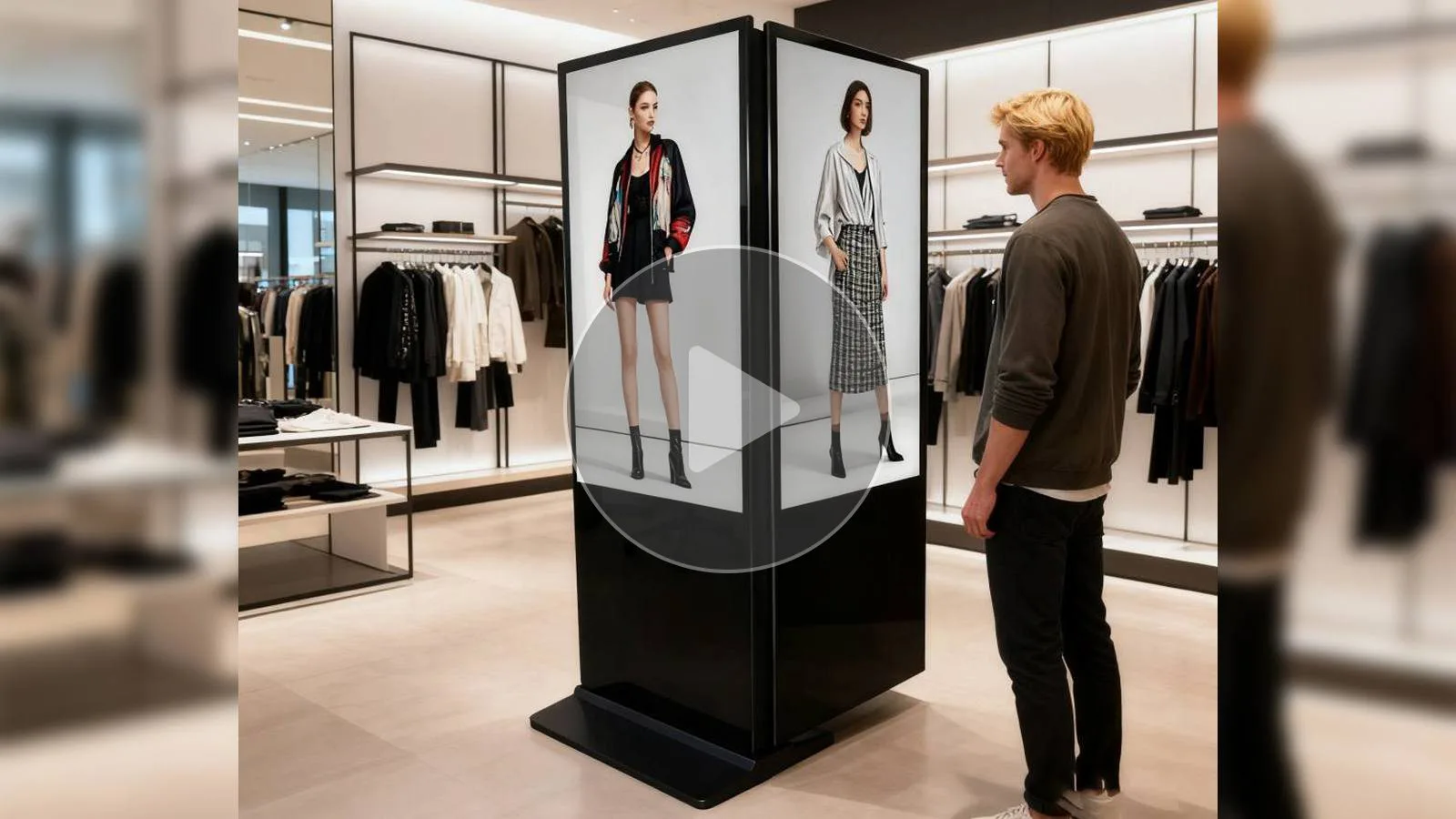
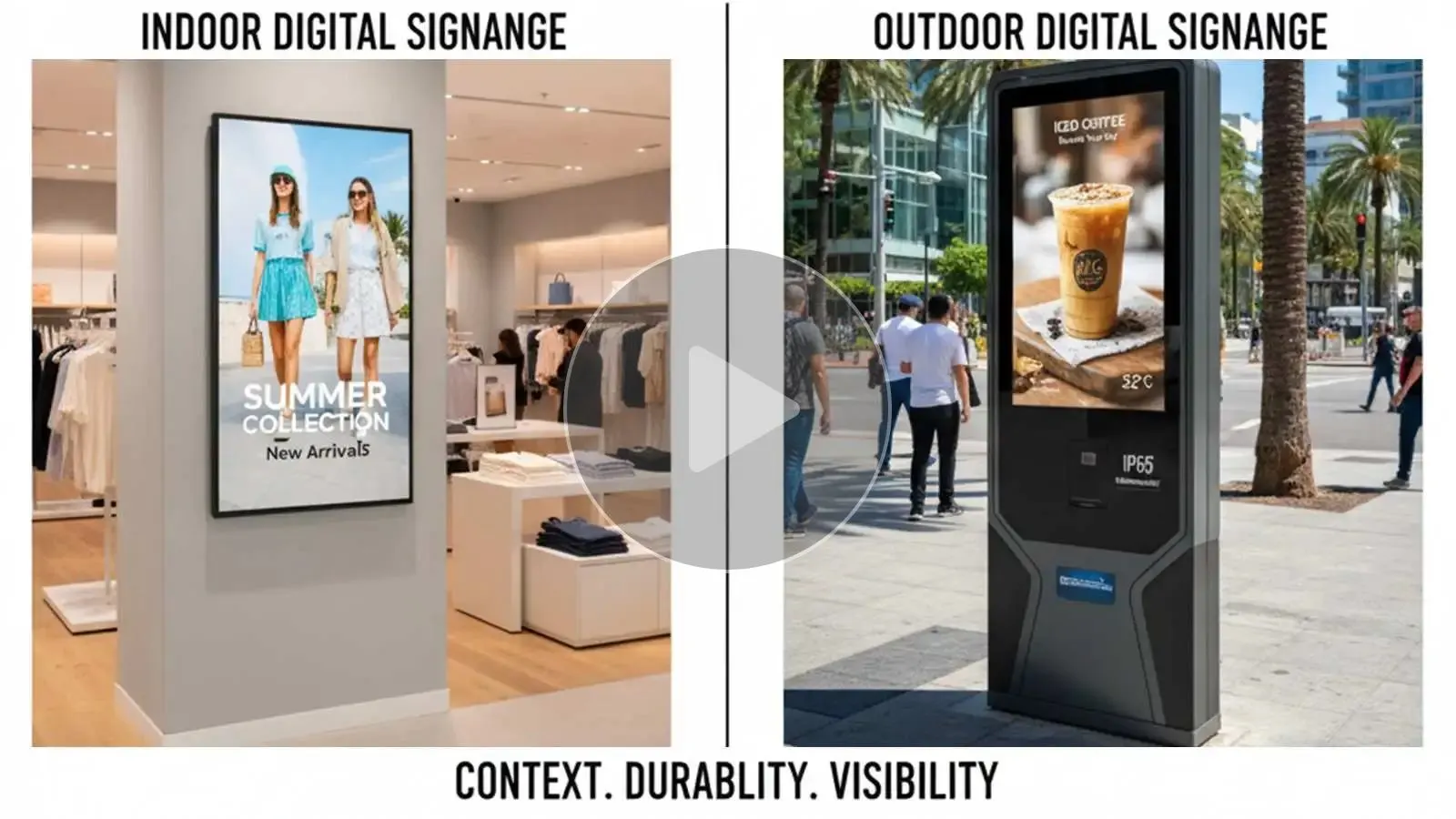
Indoor digital signage refers to high-definition electronic display systems used in indoor commercial and public spaces for indoor digital advertising, real-time information release, brand promotion, and content communication. Unlike traditional static posters, indoor digital signage displays deliver dynamic, vivid audio-visual content, which can be updated and controlled remotely according to business needs.
It is widely applied in retail stores, shopping malls, hotels, restaurants, office buildings and other indoor scenes, and has become a core tool for modern commercial indoor digital advertising and intelligent information management. As professional indoor digital signage displays, they replace traditional posters with dynamic 4K content for efficient brand communication.
🛍️ Retail Stores
Optimize in-store promotion and brand building with dynamic indoor digital advertising screens; display product information, discount activities and promotional videos in real time to attract customer attention and boost purchase conversion.
🏢 Shopping Malls
Build custom digital signage wall for mall hall brand promotion; deploy floor standing digital signage as mall directory and store navigation; realize unified remote content management for all mall digital displays.
🏨 Hotels & Restaurants
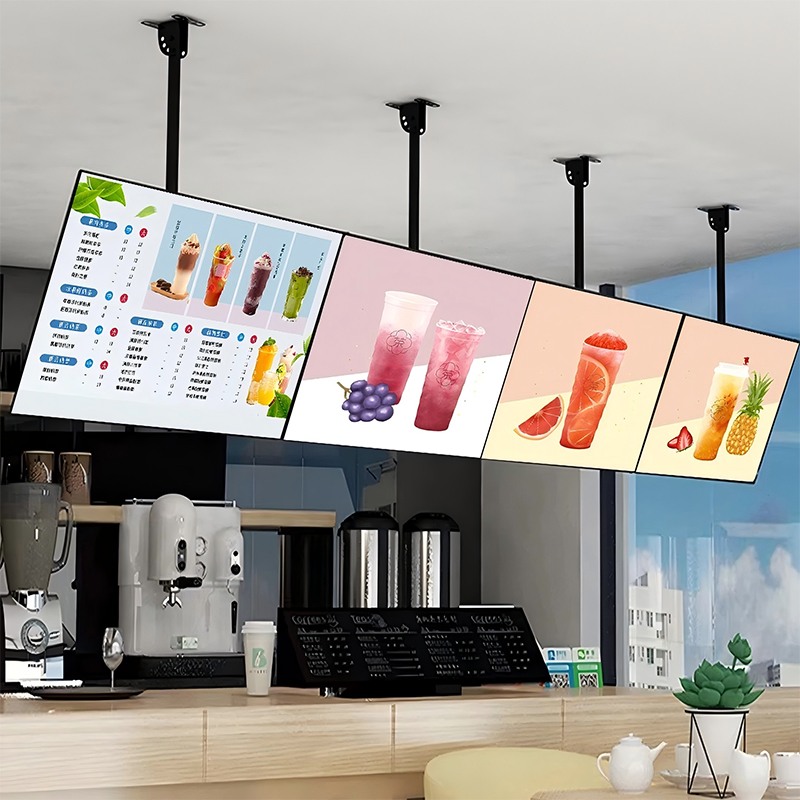
Use wall mounted digital signage as intelligent menu boards and service info displays; release hotel check-in information, restaurant promotions and event notifications dynamically to improve customer experience.
💼 Office & Corporate Buildings
Install digital notice board for internal real-time information release, meeting notifications and corporate culture promotion; realize efficient internal communication and external brand display.
We offer a full range of indoor digital signage displays tailored to different commercial scenarios, including wall-mounted, floor standing and digital signage wall solutions:
| Product Type | Wall Mounted Digital Signage | Floor Standing Kiosk | Digital Signage Wall |
|---|---|---|---|
| Size Range | 18.5" – 110" | 32" – 98" | Customized Spliced |
| Brightness | 350-500 nits | 450-700 nits | 500+ nits |
| Best For | Retail, Office, Digital Notice Board | Mall Entrances, Lobbies | Flagship Stores, Commercial Halls |
All our indoor digital signage displays focus on commercial operation value, with core features matching global business needs for indoor digital advertising:
As a professional manufacturer of indoor digital signage displays, Qtenboard has focused on global commercial indoor digital advertising and information release solutions for many years, with core advantages that match your bulk procurement and customization needs:
Explore our full range of indoor digital signage for your business needs.
Q1: What is indoor digital signage?
Indoor digital signage is a professional electronic display system designed for indoor commercial use, supporting dynamic content, remote control and 24/7 operation for brand promotion and information release.
Q2: How to choose the right indoor digital advertising screen?
Choose based on your installation space (wall mounted digital signage for small spaces, digital signage wall for large halls), usage scenario, brightness, 4K resolution and remote CMS control requirements.
Q3: What is the difference between a digital notice board and a regular TV?
Digital notice board supports industrial-grade 24/7 working, remote content management and commercial-grade durability, while regular TVs are only for home entertainment use.
Q4: Do you offer bulk orders for indoor digital signage displays?
Yes, Qtenboard provides global bulk order services for all indoor digital advertising screens, with stable supply and customized solutions for commercial projects.