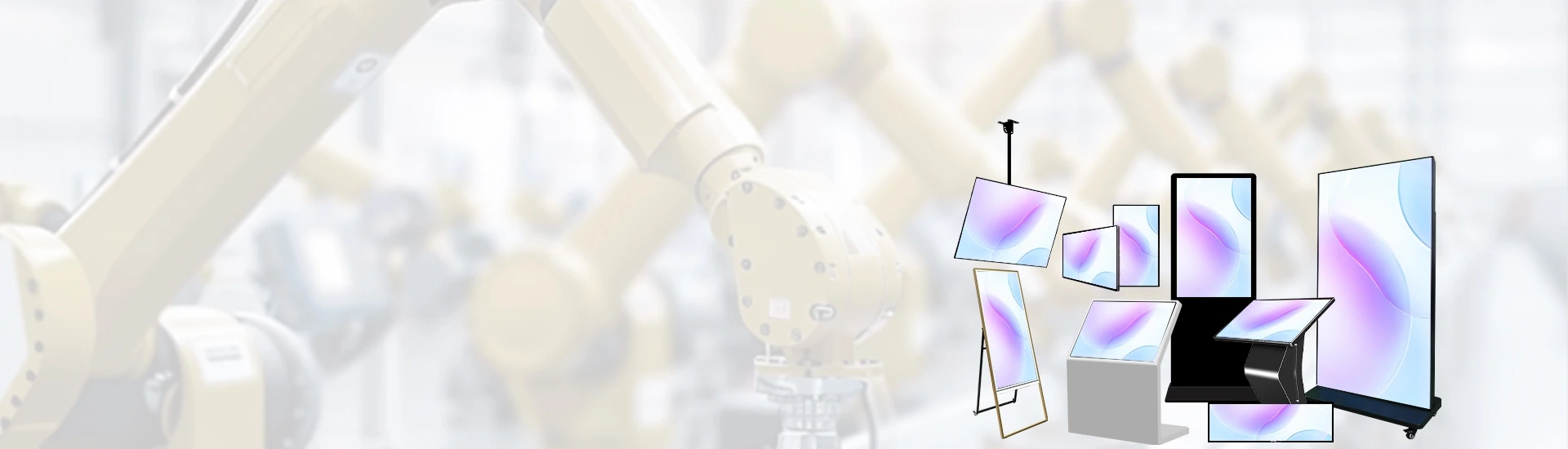
Modern travelers expect everything to be fast, simple, and digital. From boarding passes to payments, convenience drives satisfaction. That's why Smart Ticketing Kiosks are transforming airports and railway stations across Europe, North America, and Australia. These Public Service Terminals allow passengers to check schedules, print tickets, and make payments in seconds — without waiting in line. For operators, they reduce labor costs and improve service efficiency, while for passengers, they deliver a seamless, self-directed journey.
The shift from card-based to account-based ticketing is accelerating globally. Cities including London, New York, Singapore, and Cairo are transitioning fare management into centralized systems that let passengers pay with mobile wallets, smart watches, and contactless bank cards instead of a dedicated transit card. A contactless ticketing system powered by kiosk transportation infrastructure gives transit operators a dual-mode gateway — supporting both legacy smart cards and modern digital credentials without excluding any rider segment.
In a major metropolitan deployment, self-service kiosks were installed across 15+ transit hubs, and approximately two-thirds of adult commuter journeys shifted to account-based ticketing — all without disrupting existing cardholders.
Leading ticketing kiosk platforms accept cash, debit and credit cards, NFC-enabled digital wallets, QR-code payments, and peer-to-peer solutions such as PayPal. Advanced contactless ticketing systems also integrate smart card readers, receipt printers, and QR scanners within a single compact enclosure, ensuring that every passenger can complete a transaction in under 30 seconds.
A modern kiosk ticketing system is managed through a cloud dashboard that enables real-time fare updates, route changes, and remote diagnostics. Operators can push pricing adjustments across an entire fleet without dispatching technicians. The Number Picking System exemplifies how smart, interconnected hardware and software streamline queuing, minimize wait times, and elevate customer experiences at service points.
Transportation kiosks must operate continuously in environments with high vibration, dust, and temperature fluctuation. Industrial-grade components — passive heatsink cooling, embedded CPU, and TPM 2.0 hardware security — ensure 24/7 uptime. A kiosk transportation terminal deployed at a busy railway station may process hundreds of transactions per hour, making reliability non-negotiable.
| Feature | Operational Benefit |
|---|---|
| Multi-Payment System | Accepts cash, card, and contactless payments |
| Cloud-Based Control | Real-time updates for fares and routes |
| Durable Design | Works continuously in high-traffic areas |
| User-Friendly Interface | Easy to navigate for all age groups |
| Smart Diagnostics | Remote monitoring for quick maintenance |
In 2024, Siemens Mobility partnered with Qtenboard to supply Smart Ticket Kiosks for regional railway stations across Germany. The terminals were engineered for multilingual ticket sales and travel information. After deployment, daily ticketing capacity increased by 40%, while passenger waiting time dropped by over 25%. The Android-based management layer allowed Siemens to remotely update pricing and schedules across the network — demonstrating how a reliable kiosk ticketing system can simultaneously boost passenger satisfaction and operator efficiency.
In Sydney, Australia, a large-scale rail modernization project required fabricated ticketing kiosks capable of withstanding coastal humidity and peak-hour congestion. Qtenboard supplied custom ticketing kiosks Sydney with high-brightness displays, 10-point multi-touch screens, and integrated contactless payment terminals. The project also incorporated interactive kiosk features for brand engagement — a capability detailed in Qtenboard's Interactive Kiosk for Brand Engagement case. Post-launch, average contactless ticketing systems boarding times improved by 32%, and the operator expanded the kiosk fleet to additional suburban stations.
Smart ticketing technology reduces boarding times through three mechanisms: pre-purchase at self-service terminals, biometric or QR validation at gates, and offline ticket caching. A contactless ticketing system with dual-mode QR and RFID validation can process 60+ attendees per minute per gate while maintaining a 50K+ offline ticket cache — ensuring service continuity during network outages. For transportation kiosks at airports and metro stations, this translates to shorter queues, higher throughput, and measurable improvements in passenger flow metrics.
Qtenboard's ticketing kiosks are built for style and performance. Each Check-in Machine integrates hardware, software, and connectivity designed for heavy daily use. Key differentiators include:
Qtenboard helps transportation brands deliver smooth, digital-first travel experiences that combine reliability, technology, and modern design. For a deeper look at Qtenboard's manufacturing capabilities and recent brand milestones, see Qtenboard Brand News. The article Streamlining Passenger Journeys further explores how connected ticketing terminals elevate the end-to-end passenger experience.
A smart ticketing kiosk is a self-service terminal that allows passengers to purchase, print, or validate tickets using cash, cards, or contactless payment methods. It integrates a kiosk ticketing system with cloud-based management, enabling real-time fare updates and remote diagnostics. These terminals are deployed in airports, railway stations, and bus terminals as part of modern kiosk transportation infrastructure.
A contactless ticketing system reduces boarding times by enabling pre-purchase at self-service kiosks and fast validation via QR code, NFC, or RFID. With offline ticket caching, contactless ticketing systems boarding times can improve by over 30% even during peak hours. This is especially valuable for high-traffic transportation kiosks in metropolitan rail networks.
Yes. Industrial-grade ticketing kiosks are designed for 24/7 operation in busy airports, metro stations, and bus terminals. Features such as passive cooling, durable enclosures, and smart diagnostics ensure reliable performance. A well-designed kiosk transportation terminal can process hundreds of transactions per hour without downtime.
Absolutely. Qtenboard offers full OEM/ODM services for smart ticket kiosks, including custom branding, multi-language interfaces, and integration with existing ticketing APIs. With over 10 years of R&D and large-scale transport deployments, Qtenboard supports fabricated ticketing kiosks Sydney and other regional projects with factory-direct supply.
Modern smart ticket kiosks support cash, debit and credit cards, NFC-enabled digital wallets, QR-code payments, and peer-to-peer solutions such as PayPal. A contactless ticketing system can also integrate smart card readers, receipt printers, and QR scanners within a single compact enclosure, ensuring every passenger can complete a transaction quickly.
A robust kiosk ticketing system includes offline ticket caching, allowing it to continue processing transactions when the network is unavailable. Once connectivity is restored, the system synchronizes fare data and transaction records with the cloud. This ensures uninterrupted service for transportation kiosks in remote or high-demand locations.
Fabricated ticketing kiosks Sydney are engineered to withstand coastal humidity, high temperatures, and peak-hour congestion. They often feature high-brightness displays, 10-point multi-touch screens, and integrated contactless payment terminals. These customizations make them ideal for Australian rail modernization projects and other challenging environments.
Qtenboard uses industrial-grade components, embedded CPU, TPM 2.0 hardware security, and cloud-based remote monitoring to ensure 24/7 uptime. Every kiosk transportation solution undergoes rigorous testing before deployment. This commitment to reliability has made Qtenboard a trusted partner for Siemens Mobility in Germany and other global transport operators.
Click to watch the video and see the product's features and performance in action.
Ready to upgrade your ticketing infrastructure?

 EN
EN
 AR
AR  DAN
DAN  IT
IT  ARM
ARM  FIN
FIN  SWE
SWE  NOR
NOR  MAY
MAY  NL
NL  TH
TH  KOR
KOR  PL
PL  JP
JP  RU
RU  PT
PT  SPA
SPA  FRA
FRA  DE
DE  CHT
CHT 