
 EN
EN
 AR
AR  DAN
DAN  IT
IT  ARM
ARM  FIN
FIN  SWE
SWE  NOR
NOR  MAY
MAY  NL
NL  TH
TH  KOR
KOR  PL
PL  RU
RU  PT
PT  SPA
SPA  FRA
FRA  DE
DE  CHT
CHT Digital Signage vs Traditional Printed Posters: Retail Display Comparison | Qtenboard
 2025-10-09

2025-10-09
Choosing the right communication tool for your retail space is a decision that directly impacts customer engagement and operational efficiency. This comparison examines digital signage and traditional printed posters across two critical dimensions: visual impact and content update efficiency. For retail managers evaluating a digital signage for retail investment, understanding these differences is essential.
The most immediate difference between traditional printed posters and a digital signage display lies in visual presentation. Printed posters rely on static imagery and fixed text, which limits color vibrancy and readability under changing store lighting. In contrast, a digital signage display delivers 4K UHD resolution with consistent brand colors, dynamic transitions, and clear visibility even under bright retail lighting.
For a retail display in a supermarket or electronics store, the visual gap between these two solutions is immediately apparent to shoppers. A retail signage solution built on digital signage technology transforms a passive printed poster into an active promotional asset.
Updating a traditional printed poster requires a full cycle: design, print, transport, and manual installation — a process that consumes staff time and generates waste. When a promotion ends or a price changes, the old poster must be removed and a new one printed. A digital signage system, by contrast, allows remote content updates through a CMS, enabling simultaneous changes across multiple store locations. This efficiency difference is particularly significant for chains managing dozens of retail sites.
For a deeper look at how content management systems streamline retail operations, read our guide: Digital Signage CMS for Retail Chain Management.
A supermarket chain in Germany replaced traditional printed posters across 12 locations with 55-inch digital signage displays. The deployment targeted einzelhandel digital signage use cases: daily promotions, price updates, and store announcements. Within three months, the chain reported a 40% reduction in staff time spent on poster changes and a noticeable increase in customer attention to promotional content. The retail display upgrade paid for itself through improved promotion visibility and reduced printing costs.
For deployment planning insights from similar European retail projects, see: European Retail Digital Signage Deployment Guide.
An electronics retailer in Bangkok installed a digital signage solution for its storefront window, replacing traditional printed posters that had been used for daily deals. The new retail signage solution runs a rotating playlist of product promotions, updated remotely each morning. The store owner reported a 25% increase in foot traffic within the first month, attributing the gain to the brighter, more dynamic window retail display that attracted passing shoppers.
For more window display strategies from Southeast Asian retail projects, read: Retail Window Digital Signage Best Practices.
| Comparison Dimension | Traditional Printed Posters | Digital Signage |
|---|---|---|
| Initial Cost | Low per poster | Higher upfront investment |
| Long-term Cost | High (printing, labor, waste) | Lower (remote updates, no consumables) |
| Update Efficiency | Manual, on-site only | Remote, multi-location simultaneous |
| Visual Impact | Limited, static | High, dynamic 4K |
| Customer Engagement | Passive | Active, attention-grabbing |
Yes, for most retailers. A single digital signage display can replace dozens of printed posters over its lifetime. The retail signage solution pays for itself through reduced printing costs and improved promotional visibility. Entry-level 43-inch commercial displays are now affordable for independent stores.
For retail environments, daily or weekly updates are standard. Promotional content should change with each campaign cycle. Unlike traditional printed posters, a digital signage display can be updated remotely in minutes, making frequent changes practical and low-effort.
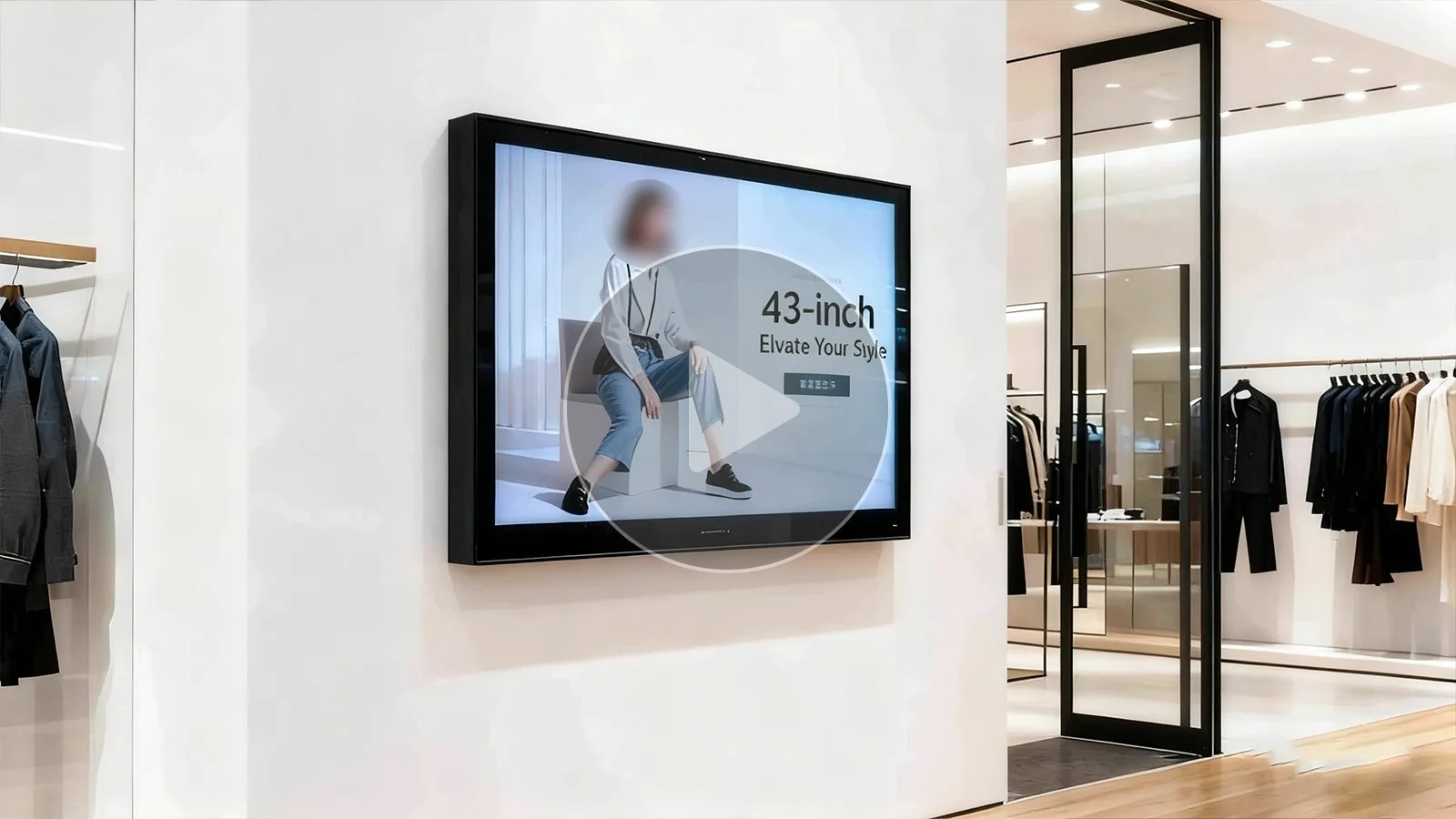
43-Inch Wall Mounted Digital Signage Commercial LCD Display – Qtenboard
2025-10-22

23.6" Circular Wall Screen Video Digital Signage with Telescopic Bracket Wall‑Mounted Display
2026-01-31
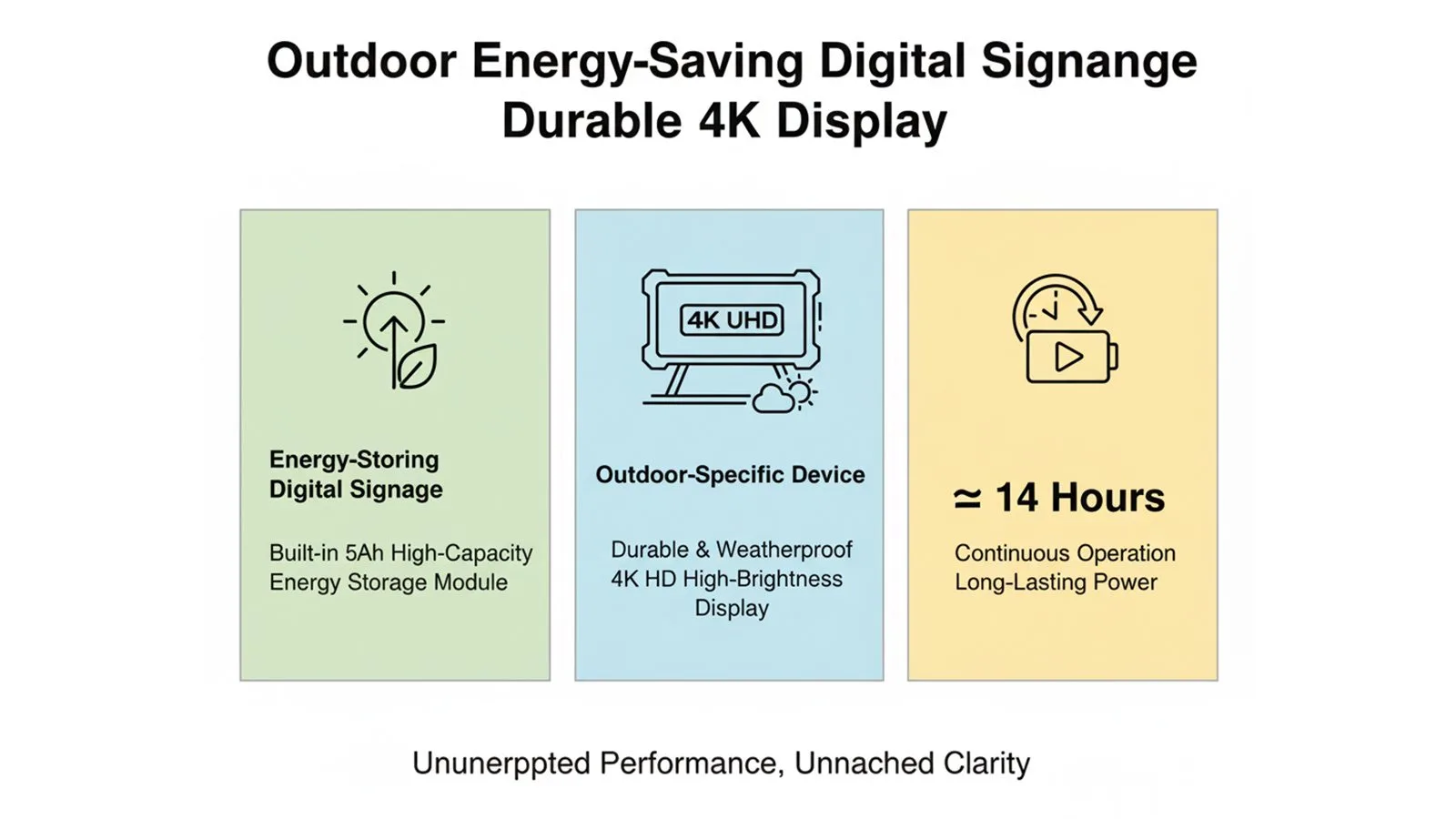
43" Outdoor Mobile Battery Digital Signage IP65 Waterproof & High Brightness
2025-10-09
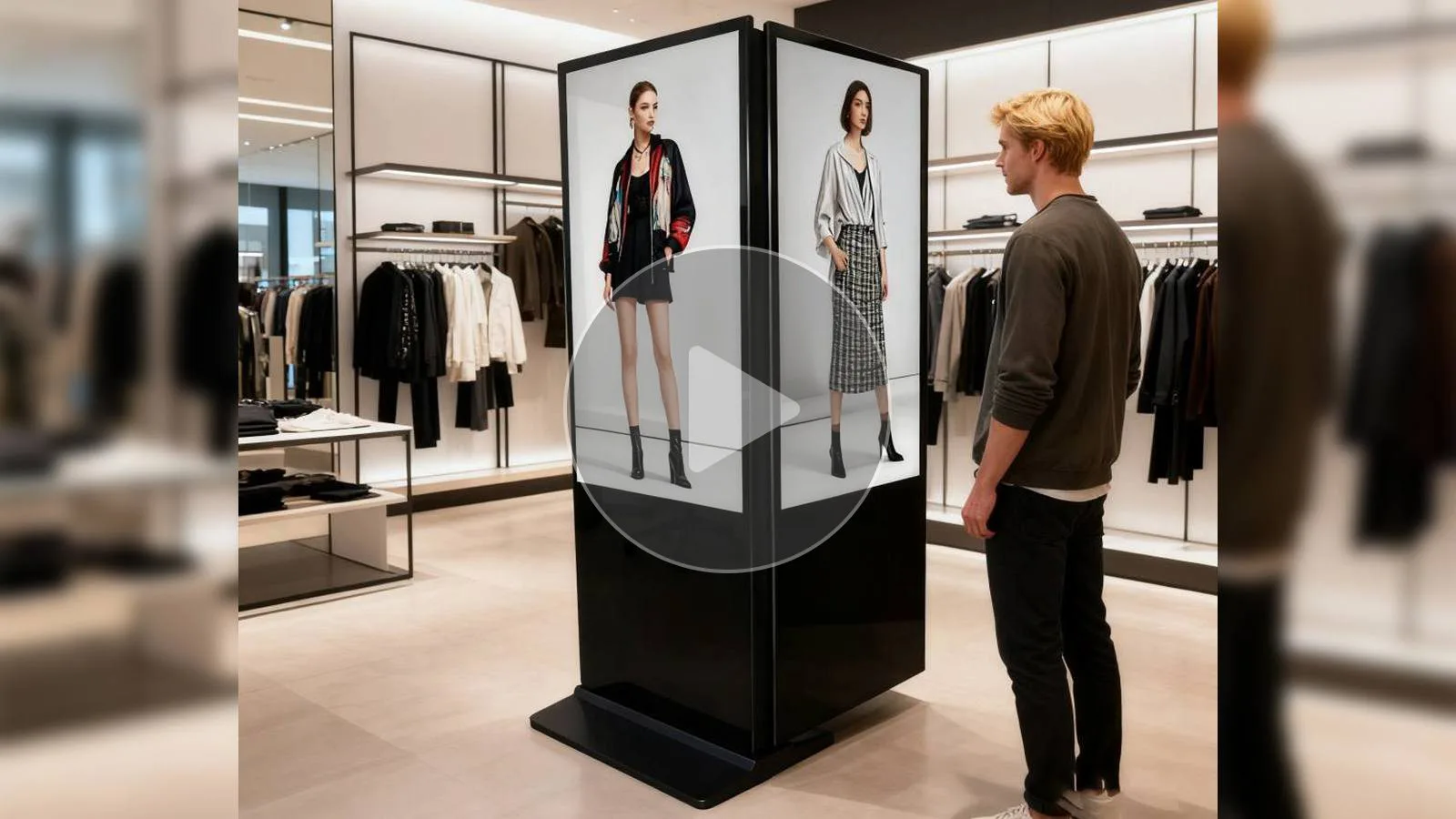
Double-Sided Digital Signage Display in Action Qtenboard
2025-10-09
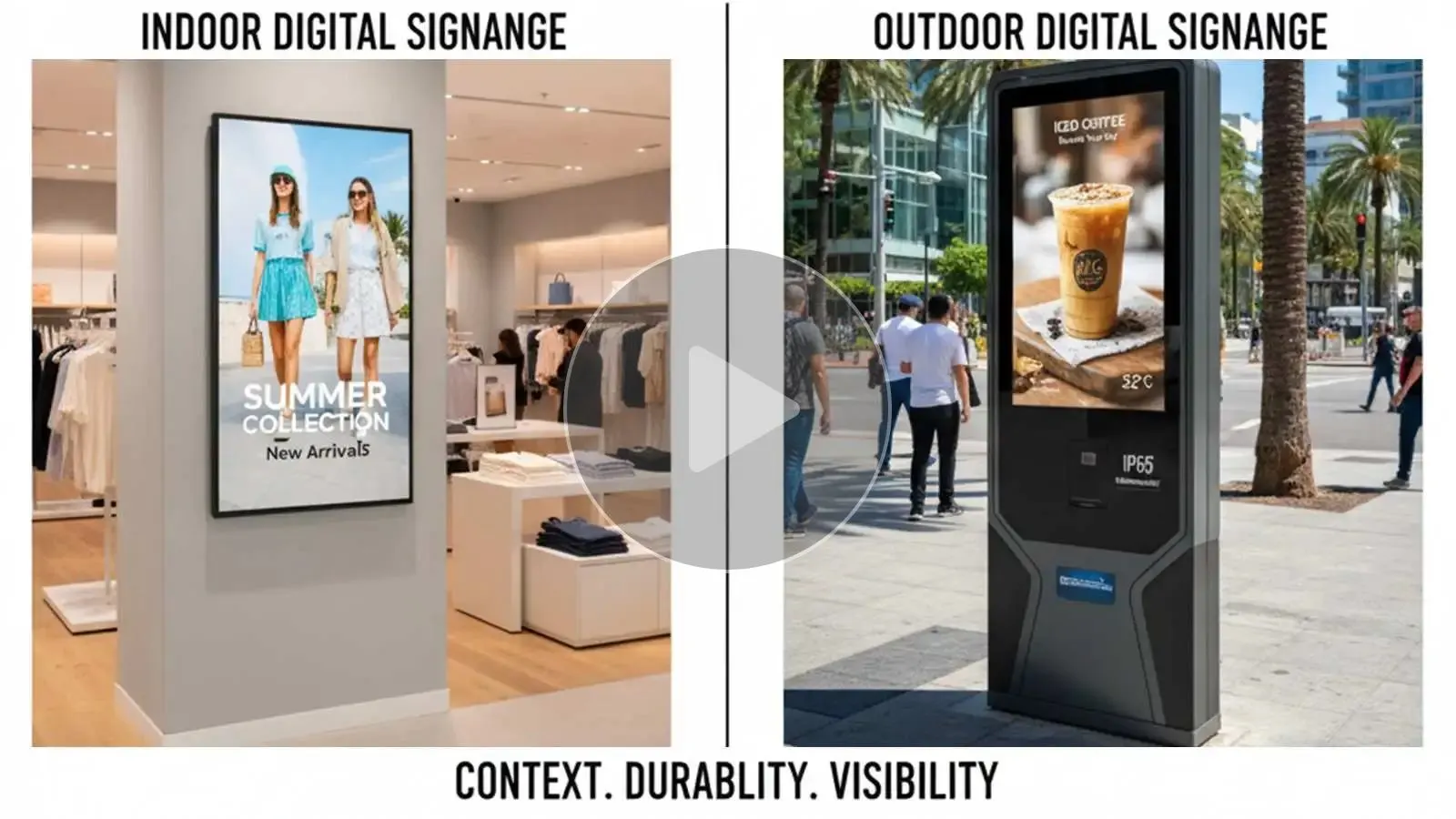
Indoor vs Outdoor Digital Signage: Pros & Differences
2025-10-09
