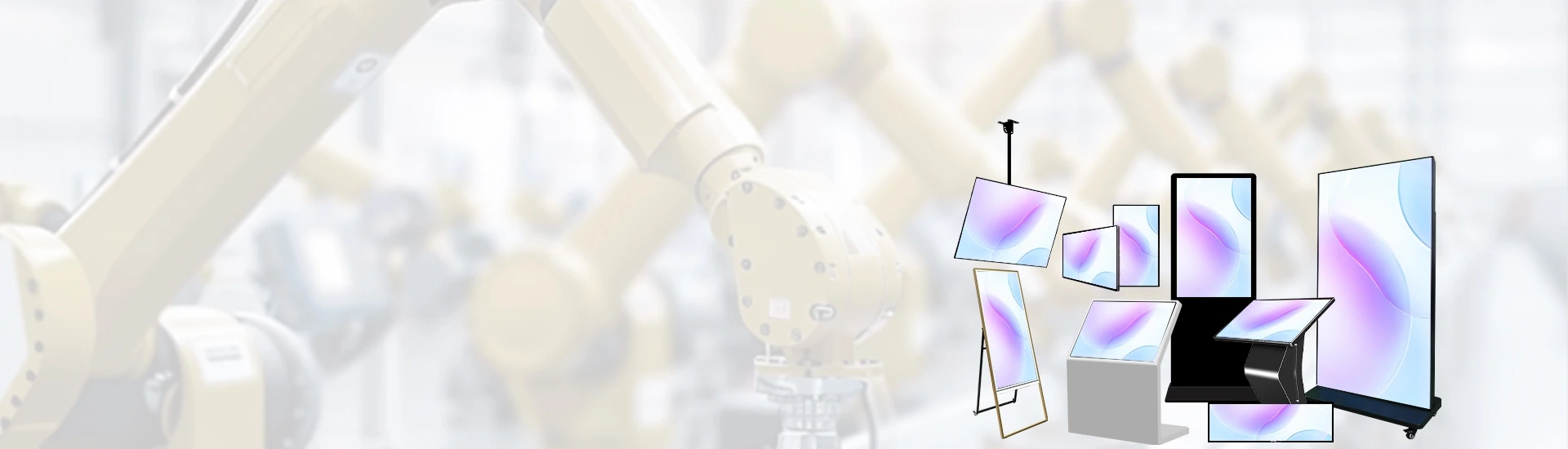
As modern customers increasingly value speed, convenience, and a personalized experience, self-ordering kiosks are becoming a standard feature in quick service restaurants across Europe and the United States. These kiosks allow guests to browse menus, customize orders, and make payments independently, reducing wait times and improving overall service efficiency.
Beyond operational efficiency, self-ordering kiosks help restaurants gather valuable data on customer preferences and ordering patterns. This data can guide menu updates, promotional campaigns, and inventory management, ultimately increasing revenue and customer loyalty.
With the growing adoption of contactless solutions and digital ordering, kiosks also provide a hygienic, low-touch alternative that aligns with current consumer expectations and health standards.
Qtenboard self-ordering kiosks are designed to be intuitive and user-friendly, benefiting both customers and restaurant operations:
| Feature | Description | Benefit |
|---|---|---|
| Intuitive Touch | Visually clear menu and simple navigation | Reduces mistakes and speeds up the ordering process |
| Self-Payment | Supports credit cards, mobile pay, and contactless options | Minimizes staff intervention, accelerates checkout, increases efficiency |
| Order Sync | Real-time kitchen updates and order tracking | Faster service, higher accuracy, and better customer satisfaction |
| Customizable Interface | Branding, promotions, upselling opportunities | Enhances customer engagement and increases average order value |
When selecting self-ordering kiosks, brands focus on several critical factors to ensure long-term success and seamless operations:
At a major quick service chain in the United States, Qtenboard kiosks were deployed across multiple locations. Customers can now place orders and make payments independently, significantly reducing queues during peak hours. The chain reported faster service times, higher average order value, and improved staff efficiency.
Similarly, a leading European restaurant group integrated Qtenboard devices across several outlets. They praised the reliability of the devices, smooth integration with their kitchen management systems, and the ability to customize the interface for different locations. The result was higher customer satisfaction, fewer order errors, and more repeat visits.
Click to read the product details and explore its functional features, technical specifications, and real-world performance.
📖 Read Product
 EN
EN
 AR
AR  DAN
DAN  IT
IT  ARM
ARM  FIN
FIN  SWE
SWE  NOR
NOR  MAY
MAY  NL
NL  TH
TH  KOR
KOR  PL
PL  RU
RU  PT
PT  SPA
SPA  FRA
FRA  DE
DE  CHT
CHT 