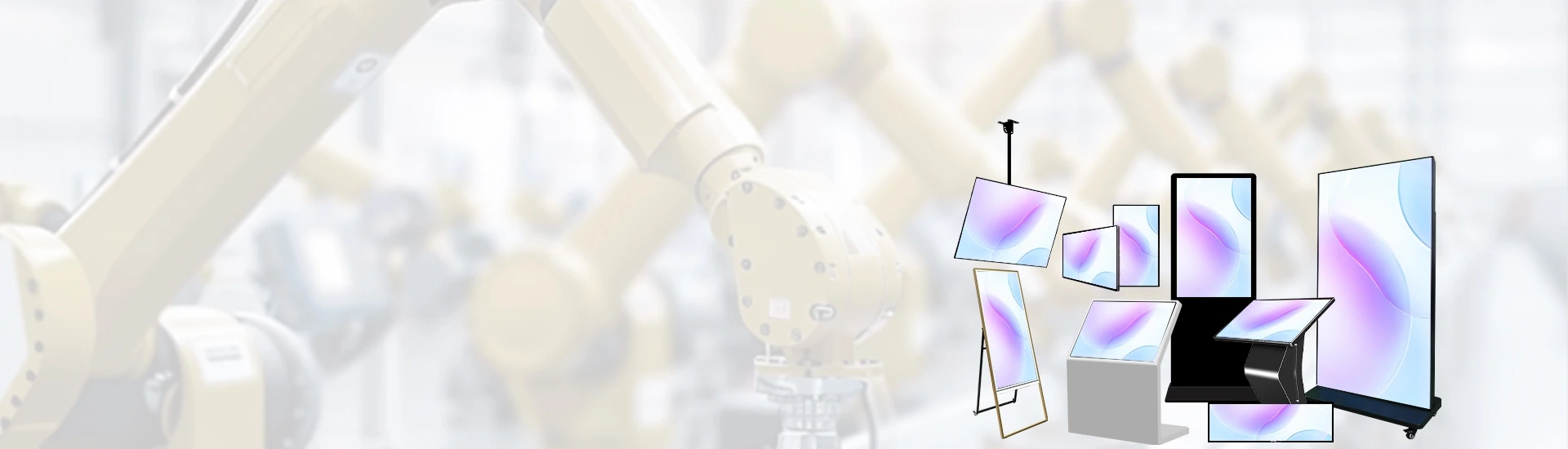
คุณเป็นผู้จัดการฝ่ายจัดซื้อที่ติดตั้งร้านอาหารขนาดเล็กแบบใหม่พร้อมการแสดงเมนูที่สอดคล้องกับบรรยากาศหรูของห้างสรรพสินค้าหรือไม่? คุณกำลังดิ้นรนเพื่อค้นหาโซลูชันบอร์ดเมนูดิจิตอลที่ปรับขนาดได้สำหรับโครงการปรับปรุงศูนย์อาหารของคุณซึ่งผู้เช่าหลายรายต้องการการแสดงเมนูที่ซิงโครไนซ์แต่ไม่เหมือนใครหรือไม่? คุณต้องการผู้จัดจำหน่ายหน้าจอเมนูดิจิตอลที่เชื่อถือได้ที่สามารถรองรับการขยายห้างสรรพสินค้าของห่วงโซ่อาหารจานด่วนของคุณใน5สถานที่เพื่อให้มั่นใจว่าการสร้างแบรนด์ที่สอดคล้องกันและการจัดการระยะไกลที่ไร้รอยต่อ? หรือคุณเบื่อกับบอร์ดเมนูแบบคงที่ที่เสียเวลาเงินและทรัพยากรในการอัปเดตบ่อยๆโดยเฉพาะอย่างยิ่งเมื่อโปรโมชั่นของห้างสรรพสินค้าของคุณเปลี่ยนแปลงทุกสัปดาห์และราคามีความผันผวนกับต้นทุนห่วงโซ่อุปทาน?
หากมีคำถามใดๆเหล่านี้สะท้อนกับคุณบทความนี้คือ เขียนมาเพื่อคุณโดยเฉพาะ.เราไม่ได้อยู่ที่นี่เพื่อขายผลิตภัณฑ์ให้คุณ-เราพร้อมที่จะแนะนำคุณตลอดทุกขั้นตอนของการเดินทางจัดซื้อจัดจ้างตั้งแต่การระบุความต้องการหลักของคุณในการปิดข้อตกลงเพื่อให้คุณสามารถตัดสินใจอย่างมีข้อมูลที่ช่วยลดต้นทุนเพิ่มการขายและยกระดับประสบการณ์ลูกค้าในร้านอาหารขนาดเล็กของคุณในฐานะมืออาชีพด้านการจัดซื้อคุณจะรู้ว่าการตัดสินใจทุกครั้งส่งผลกระทบต่องบประมาณแบรนด์ของคุณและบอร์ดเมนูที่มีประสิทธิภาพและดิจิตอลของทีมของคุณก็ไม่มีข้อยกเว้นบทความนี้แบ่งทุกสิ่งที่คุณจำเป็นต้องรู้เหมาะสำหรับความท้าทายที่ไม่ซ้ำกันของร้านอาหารห้างสรรพสินค้าและศาลอาหาร
ร้านอาหารในห้างสรรพสินค้าและศูนย์อาหารมีความต้องการจัดซื้อจัดจ้างที่แตกต่างกันซึ่งแตกต่างจากร้านอาหารแบบสแตนด์อโลนไม่ว่าคุณกำลังจัดการสถานที่ใหม่เดียวหรือห่วงโซ่ของ50ร้านห้างสรรพสินค้าเหล่านี้เป็นสถานการณ์ที่คุณมีแนวโน้มที่จะนำทาง:
เราเข้าใจถึงความผิดหวังของบอร์ดเมนูแบบคงที่สำหรับการจัดซื้อร้านอาหารในห้างสรรพสินค้าเป็นมาตรฐานมานานหลายทศวรรษแต่พวกเขาไม่ได้ติดตั้งเพื่อจัดการกับความรวดเร็วอีกต่อไปความต้องการของลูกค้าเป็นศูนย์กลางของการรับประทานอาหารในห้างสรรพสินค้าที่ทันสมัยเหล่านี้เป็นจุดปวดที่คุณมีแนวโน้มที่จะหันหน้าไปทางและพวกเขาเป็นเหตุผลที่บอร์ดเมนูดิจิตอลได้กลายเป็นสิ่งจำเป็น:
วิธีการแก้ปัญหาจุดปวดเหล่านี้เป็นเรื่องง่าย: A ระบบกระดานเมนูดิจิตอลระดับเชิงพาณิชย์ เหมาะสำหรับร้านอาหารขนาดเล็กและศูนย์อาหารโดยเฉพาะซึ่งแตกต่างจากบอร์ดแบบคงที่หน้าจอเมนูดิจิตอลช่วยให้การปรับปรุงเนื้อหาแบบเรียลไทม์การจัดการระยะไกลแบบรวมศูนย์และเนื้อหาแบบไดนามิกสายตาที่จับความสนใจของนักช้อปและการขายไดรฟ์ไม่ว่าคุณจะต้องการหน้าจอเมนูดิจิตอลแบบติดผนังเดียวสำหรับร้านกาแฟหรือเมนูร้านอาหารแบบหลายหน้าจอสำหรับศูนย์อาหารที่วุ่นวายบอร์ดเมนูดิจิตอลได้รับการออกแบบมาเพื่อตอบสนองความต้องการเฉพาะของสภาพแวดล้อมขนาดเล็ก
ในบทความนี้เราจะเดินคุณผ่านเหตุผลที่บอร์ดเมนูดิจิตอลไม่สามารถต่อรองได้สำหรับการรับประทานอาหารในห้างสรรพสินค้าที่ทันสมัยคุณสมบัติที่สำคัญที่คุณควรจัดลำดับความสำคัญเป็นมืออาชีพจัดซื้อ, ข้อมูลการตัดสินใจที่สำคัญที่คุณต้องประเมินซัพพลายเออร์และวิธีการเลือกพันธมิตรที่เชื่อถือได้เช่น qtenboard เพื่อนำโครงการของคุณมาสู่ชีวิตในที่สุดคุณจะมีเครื่องมือทั้งหมดที่คุณต้องตัดสินใจจัดซื้ออย่างมั่นใจซึ่งมอบคุณค่าในระยะยาวสำหรับร้านอาหารในห้างสรรพสินค้าหรือศูนย์อาหารของคุณ
ในภูมิทัศน์ห้างสรรพสินค้าที่มีการแข่งขันสูงในปัจจุบันไดเนอร์สมีทางเลือกมากกว่าที่เคยและความสนใจของพวกเขาสั้นกว่าที่เคยรายงาน2025ฉบับโดย Global Mall dining Association (gmda) พบว่า 78% ของร้านอาหารห้างสรรพสินค้าชั้นนำทั่วโลกได้นำบอร์ดเมนูดิจิตอลมาใช้ขึ้นจาก45% เพียง2022นี่ไม่ใช่แนวโน้มที่ผ่านไป-เป็นการเปลี่ยนแปลงพื้นฐานในวิธีการทำงานของร้านอาหารในห้างสรรพสินค้าขับเคลื่อนด้วยข้อมูลความคาดหวังของลูกค้าและประสิทธิภาพการจัดซื้อ
ข้อมูลพูดสำหรับตัวเอง: ร้านอาหารโดยใช้หน้าจอเมนูดิจิตอลรายงาน รายได้เพิ่มขึ้น22-35%ขอบคุณเนื้อหาภาพที่มีคุณภาพสูงที่เน้นรายการพรีเมี่ยมและอาหารคำสั่งผสมนอกจากนี้ค่าใช้จ่ายในการอัปเดตเมนูจะลดลงสูงสุด 82% เมื่อเทียบกับบอร์ดแบบคงที่เนื่องจากไม่จำเป็นต้องพิมพ์การจัดส่งหรือการติดตั้งเมนูใหม่ในสถานที่สำหรับทีมจัดซื้อการจัดการงบประมาณที่รัดกุมการประหยัดค่าใช้จ่ายนี้เพียงอย่างเดียวทำให้บอร์ดเมนูดิจิตอลเป็นการลงทุนที่ชาญฉลาด
แต่ก็ไม่ได้เป็นเพียงเกี่ยวกับการออมค่าใช้จ่าย-บอร์ดเมนูดิจิตอลแก้ปัญหาความท้าทายหลักของการดำเนินงานร้านอาหารห้างสรรพสินค้าสอดคล้องกับแนวโน้มอุตสาหกรรมและการตั้งค่าลูกค้า Let's ทำลายผลประโยชน์ที่สำคัญที่ทำให้พวกเขา Staple ในการรับประทานอาหารห้างสรรพสินค้าที่ทันสมัย:
หมดเวลารอการอัปเดตเมนูหรือพิมพ์บอร์ดใหม่สำหรับโปรโมชั่นใหม่ด้วยระบบกระดานเมนูดิจิตอลแบบคลาวด์คุณสามารถปรับราคาเปิดข้อเสนอจำกัดเวลา (ltos) หรือเน้นรายการพิเศษตามฤดูกาลจากทุกที่ในโลกทั้งหมดในเวลาต่ำกว่า5นาทีสำหรับสนามอาหารขนาดเล็กที่มีบ้านนอกสถานที่10แห่งซึ่งหมายความว่าไม่มีการประสานงานกับพนักงานในสถานที่สำหรับการอัปเดตช่วยขจัดความล่าช้าและข้อผิดพลาดของมนุษย์
ตัวอย่างเช่นศูนย์อาหารห้างสรรพสินค้าเอเชียตะวันออกเฉียงใต้ในกรุงเทพที่เพิ่งปรับปรุงใหม่12แผงพร้อมบอร์ดเมนูดิจิตอลก่อนอัปเกรดอัปเดตเมนูในแผงขายของทั้งหมดใช้เวลา3วันและ $ ค่าใช้จ่าย200ต่อเดือนในค่าธรรมเนียมการพิมพ์หลังจากเปลี่ยนไปใช้หน้าจอเมนูดิจิตอลการอัปเดตใช้เวลา1ชั่วโมงและไม่ต้องเสียค่าใช้จ่ายใดๆในการเพิ่มทีมจัดซื้อเพื่อมุ่งเน้นไปที่งานเชิงกลยุทธ์มากขึ้นผู้เช่าของศูนย์อาหารยังรายงานยอดขายเพิ่มขึ้น15% จากโปรโมชั่นที่ละเอียดอ่อนตามเวลาเนื่องจากพวกเขาสามารถเปิดตัวข้อเสนอใหม่ได้ทันที
มนุษย์เป็นสิ่งมีชีวิตที่มองเห็นได้-เราประมวลผลภาพได้เร็วกว่าข้อความ60,000เท่าหน้าจอเมนูดิจิตอลช่วยให้คุณสามารถแสดงภาพ4K ความละเอียดสูงและวิดีโอสั้นๆของอาหารลายเซ็นของคุณอาหารผสมและรายการพิเศษตามฤดูกาล-บางสิ่งบางอย่างบอร์ดแบบคงที่ไม่สามารถทำซ้ำกรณีศึกษาโดยสมาคมร้านอาหารแห่งชาติพบว่าเมนูดิจิตอลแสดงค่าการสั่งซื้อเฉลี่ยที่เพิ่มขึ้น (AOV) โดย25% สำหรับ qsrs ในห้างสรรพสินค้า, เนื่องจากลูกค้ามีแนวโน้มที่จะเพิ่มรายการพรีเมี่ยมลงในคำสั่งซื้อของพวกเขาเมื่อพวกเขาสามารถเห็นภาพที่สดใสและน่ารับประทาน
สำหรับสนามอาหารในห้างสรรพสินค้าซึ่งหมายถึงการเปลี่ยนเบราว์เซอร์แบบสบายๆให้กับลูกค้าที่จ่ายเงินนักช้อปห้างสรรพสินค้าที่วุ่นวายอาจเดินผ่านเมนูแบบคงที่โดยไม่ต้องสังเกตเห็นแต่สดใสแบบไดนามิก บอร์ดเมนูดิจิทัล ด้วยภาพอาหารปากรดน้ำจะหยุดพวกเขาในแทร็คของพวกเขานี่เป็นสิ่งสำคัญอย่างยิ่งสำหรับแผงสนามอาหารซึ่งแข่งขันเพื่อความสนใจในสภาพแวดล้อมที่มีผู้คนพลุกพล่านและมีการจราจรหนาแน่นบอร์ดเมนูดิจิตอลช่วยให้คุณมีการแข่งขันช่วยให้คุณโดดเด่นจากแผงที่อยู่ใกล้เคียง
Brand consistency is critical for franchise chains and multi-location restaurant groups. When customers visit your restaurant in different malls, they expect the same look, feel, and experience—and digital menu boards make this possible. With a centralized content management system (CMS), you can standardize logos, color schemes, font styles, and menu layouts across all your mall locations with a single click.
For example, a Middle Eastern fast-food chain with 15 mall locations in the UAE used digital menu boards to standardize their brand across all sites. Before the upgrade, each location had a slightly different menu design, leading to customer confusion and diluted brand identity. After switching to digital menu screens, all locations display the same logo, color scheme, and menu layout—strengthening brand recognition and loyalty. The procurement team also saved 15 hours per week on managing brand consistency, as they no longer had to review and approve each location’s menu design.
For procurement teams managing multiple mall locations, remote management is a game-changer. A cloud-based CMS lets you update menus, approve promotions, and monitor screen performance from your office—no need to visit each location. Many digital menu board systems also include analytics dashboards that track screen uptime, content engagement, and sales performance, giving you data-driven insights to optimize your strategy.
For example, a European coffee chain with 8 mall locations in Germany uses Qtenboard’s remote CMS to manage their digital menu screens. The procurement team can update seasonal drink menus across all locations in 5 minutes, monitor which promotions are driving the most sales, and troubleshoot any technical issues remotely. This has reduced on-site staff time by 90% and ensured that all locations are always displaying the latest menu and promotion information.
Shopping malls have unique lighting conditions (bright overhead lights, natural sunlight) and space constraints (wall-mounted displays, multi-screen setups for food courts)—and digital menu boards are designed to meet these needs. High-brightness screens (1800–2500 nits) ensure that your menu content remains visible in direct sunlight and bright mall lighting, preventing content from being washed out. Customizable mounting options (wall-mounted, ceiling-mounted, freestanding) let you fit digital menu screens into any space, from compact coffee shop kiosks to large food court stalls.
Additionally, commercial-grade digital menu boards are built to withstand 12–16 hours of daily operation in busy mall settings, with a lifespan of 10 years—3x longer than consumer-grade TVs. This reduces long-term maintenance and replacement costs, making digital menu boards a cost-effective investment for mall restaurants.
When evaluating digital menu board suppliers, it’s easy to get overwhelmed by flashy features—but as a procurement professional, you should focus only on the factors that directly impact your project’s success, cost, and ease of use. Below is a curated breakdown of the non-negotiable features for mall restaurant digital menu boards, along with why each matters for your operations:
| คุณสมบัติที่สำคัญ | Why It Matters for Mall Restaurant Procurement |
|---|---|
| จอแสดงผล4K Ultra HD | Delivers crystal-clear, high-resolution images and videos that stand out in bright mall environments. 4K screens make food visuals more appetizing, directly boosting upsell and impulse purchase rates. For mall food courts, where competition is fierce, high-quality visuals are critical for capturing shopper attention. Additionally, 4K displays are future-proof, ensuring your digital menu boards won’t become outdated in the next 3–5 years. |
| Commercial-Grade LCD Panel | Built to withstand 12–16 hours of daily operation in busy mall settings, with a lifespan of 5–8 years—3x longer than consumer-grade screens. This reduces long-term maintenance and replacement costs, as you won’t have to replace screens every 1–2 years. Commercial panels also have better temperature resistance, making them suitable for mall environments with fluctuating temperatures (from cold air conditioning in summer to warm indoor air in winter). |
| ระบบ Android / Windows | Offers flexible content management options, compatibility with popular CMS platforms, and easy integration with other mall systems (e.g., payment processors, loyalty programs). Android systems are ideal for small to mid-sized mall restaurants, as they’re cost-effective, easy to use, and require no complex IT support. Windows OPS (On-Premise Server) systems are perfect for large franchise chains, as they support complex data integration, custom reporting, and enterprise-level security. |
| Remote Content Management System (CMS) | Enables centralized updates across all mall locations, eliminating the need for on-site staff to manage menus. A cloud-based CMS lets you update content in real time, schedule promotions in advance, and monitor screen performance from any device. Look for a CMS with analytics tools that track screen uptime, content engagement, and sales data—this gives you valuable insights to optimize your menu and promotions. |
| High Brightness (1800–2500 Nits) | Ensures screens remain visible in direct sunlight and bright mall lighting, preventing content from being washed out. This is critical for mall restaurants, as bright lighting can make static boards and low-brightness digital screens unreadable. A high-brightness screen ensures that your menu content is seen by all customers, regardless of the mall’s lighting conditions. |
| Multi-Screen Sync Capability | Perfect for food court setups, allowing multiple digital menu boards to display synchronized content (promotions, brand messages, or menu items). This creates a cohesive visual experience for the entire food court and simplifies content management—you can update all screens at once, rather than managing each one individually. For large food courts with 10+ stalls, multi-screen sync is a time-saving essential. |
| AI Content Scheduling | Automates the scheduling of seasonal promotions, LTOs, and peak-hour content (e.g., breakfast menus in the morning, dinner menus in the evening). This saves staff time and ensures promotions are displayed at the right time to drive sales. For example, you can schedule a breakfast promotion to run from 7–10 AM, a lunch promotion from 11 AM–2 PM, and a dinner promotion from 5–8 PM—all without manual intervention. |
| Secure Remote Support | Enables suppliers to provide real-time technical assistance (e.g., troubleshooting connectivity issues, updating firmware) without on-site visits. This reduces downtime and minimizes disruptions to your restaurant’s operations. For mall restaurants, which rely on consistent menu displays to drive sales, minimizing downtime is critical. Look for a supplier that offers 24/7 remote support and a fast response time (under 1 hour). |
These features are non-negotiable for mall restaurant procurement—they ensure that your digital menu board system is reliable, efficient, and tailored to the unique needs of mall environments. When evaluating suppliers, ask for demonstrations of these features to ensure they meet your project’s requirements.
This section is the heart of your procurement journey—it’s where you’ll confirm that a digital menu board system is the right fit for your project, compare configurations, and determine which supplier can meet your specific needs. Below is a breakdown of the core procurement details you need to evaluate, organized by category:
Digital menu boards come in a range of sizes to fit different mall restaurant layouts, from small coffee shops to large food court stalls. The size you choose will depend on your space constraints, menu length, and target audience. Below is a detailed breakdown of the most common sizes, their ideal use cases, and key procurement notes:
| ขนาดหน้าจอหน้าจอ | Ideal Mall Restaurant Use Case | Procurement Notes |
|---|---|---|
| 32 Inch Digital Menu Screen | Small coffee shops, dessert kiosks, beverage stalls in mall food courts (compact space with limited menu items). | Lightweight (10–15 lbs) and easy to install, with vertical mounting options available. Cost-effective for multi-kiosk projects (e.g., 10+ coffee kiosks in a mall). Ideal for brands with multiple small mall locations, as they’re affordable and require minimal space. Compatible with basic Android systems for simple menu management. |
| 43 Inch Digital Menu Board | Standard fast-food restaurants (burger, sandwich, pizza shops) in malls, counter-mounted or wall-mounted. Ideal for restaurants with 10–20 menu items. | The most popular size for mall QSRs—balances visibility and space efficiency. Compatible with all CMS systems and mounting hardware. Easy to install in standard mall restaurant layouts (e.g., above counters or on walls). Supports both Android and Windows systems, making it flexible for different procurement needs. A good middle ground for cost and functionality. |
| 49 Inch Menu Display | Large food court stalls, family-style restaurants in malls, or fast-food chains with extensive menus (20+ items). | Larger text for easy reading from a distance (ideal for busy food courts where customers are standing in line). More space for premium dish visuals and promotional content. Compatible with multi-screen setups, making it perfect for food court stalls that want to display separate menus for food and drinks. Slightly heavier (25–30 lbs) than 43-inch screens, but still easy to mount. |
| 55 Inch Restaurant Digital Signage | Flagship mall restaurants, food court anchor stalls (high-traffic areas), or restaurants with a strong brand presence. | Maximum visibility—perfect for brand showcase and capturing attention in crowded malls. Often used as the main display with smaller secondary digital menu screens for detailed menus. Requires more wall space (30–35 inches wide) but delivers higher engagement. Ideal for large franchise chains looking to make a visual impact. Supports advanced features like 4K display and multi-screen sync. |
| 65 Inch Digital Menu Screen | Mall food court common areas, large restaurant lobbies, or centralized promotional displays (e.g., food court-wide sales). | Best for brands with a strong mall presence—used to display centralized promotions, brand stories, or food court-wide announcements. Requires significant wall space (45–50 inches wide) and is heavier (40–45 lbs), so professional installation may be needed. Ideal for large malls with high foot traffic, as it can be seen from a distance. Compatible with Windows OPS systems for advanced integration. |
The system you choose will impact how easy it is to manage your digital menu boards, integrate with other tools, and scale your project. Below are the most common system options, along with their pros and cons for mall restaurant procurement:
For franchise chains and premium mall restaurant brands, customization is key to ensuring your digital menu boards align with your brand identity and stand out in the mall environment. Below are the most in-demand customization options for procurement teams, along with how they benefit your project:
With so many digital menu board suppliers on the market, it can be challenging to identify a partner that delivers on quality, customization, and support. Qtenboard stands out as a leading choice for mall restaurant and food court procurement teams—and here’s why we’re trusted by 500+ mall restaurants worldwide:
Qtenboard is not a general electronics supplier—we’re a dedicated manufacturer of commercial-grade LCD displays, with over 12 years of experience designing solutions for the restaurant, retail, and hospitality industries. Our focus on commercial displays means that our digital menu boards are built specifically to withstand the rigors of mall environments—from 12–16 hours of daily operation to frequent customer traffic and temperature fluctuations.
All Qtenboard digital menu boards undergo 72 hours of rigorous testing for brightness, durability, and performance. We test each screen in simulated mall lighting conditions to ensure maximum visibility, and we use only high-quality commercial LCD panels to ensure a lifespan of 5–8 years. This means you won’t have to deal with frequent repairs or replacements—saving you time and money in the long run.
Whether you’re a small coffee shop brand with 5 mall locations or a large fast-food chain with 100+ outlets, Qtenboard’s OEM/ODM services can be tailored to your needs. We offer end-to-end customization, from logo and UI design to custom housing and CMS integration. For franchise chains, we can create standardized digital menu board packages that ensure brand consistency across all mall locations, while also accommodating unique regional menu needs (e.g., local specialties or language requirements).
We also offer flexibility in minimum order quantity (MOQ)—we support small orders (5–10 units) for new mall openings and large orders (100+ units) for chain expansions. This means you don’t have to commit to more units than you need, making it easier to stay within your procurement budget.
Qtenboard has served 500+ mall restaurant clients worldwide, including Southeast Asian food courts, Middle Eastern fast-food chains, and European mall franchises. We have a proven track record in mall-specific projects, including multi-screen setups, cross-border shipping, and on-site installation support.
For example, we recently completed a project for a large mall in Bangkok, where we provided 48 digital menu screens for 12 food court stalls. We handled everything from custom branding for each tenant to remote CMS setup and on-site installation—ensuring the project was completed on time and within budget. The food court’s tenants reported a 28% increase in sales after the upgrade, and the procurement team saved 15 hours per week on menu management.
We understand that procurement teams are busy—you don’t have time to deal with unresponsive suppliers or complicated processes. That’s why we have a dedicated procurement support team that provides personalized product recommendations based on your mall location, space, and budget. We’ll work with you to understand your project’s unique needs, recommend the best digital menu board size and configuration, and provide a tailored quotation within 24 hours.
We also offer fast lead times—7–15 days for standard orders and 20–30 days for custom orders—ensuring that your digital menu boards are delivered on time to meet your mall’s opening or renovation timeline. Our team handles all logistics, including global shipping and customs clearance, so you can focus on other aspects of your project.
As a procurement professional, you know that choosing the right supplier is just as important as choosing the right product. A reliable supplier will save you time, money, and headaches—while a poor supplier can derail your project and damage your brand. Below is a guide to help you evaluate suppliers, with a focus on the factors that matter most for mall restaurant procurement:
When evaluating suppliers, always check for essential certifications that ensure product quality, safety, and compliance with global mall standards. The most important certifications for digital menu boards are:
Qtenboard’s digital menu boards and digital menu screens are fully certified. We adhere to strict quality standards to ensure that our products meet the needs of mall restaurants worldwide.
Avoid suppliers that act as middlemen—look for suppliers with in-house manufacturing capabilities. This ensures that you have control over product quality, customization, and lead times. Key factors to consider include:
Qtenboard has a 33,000㎡ production facility, 50+ R&D engineers, and 100% pre-shipment inspection—ensuring consistent quality for multi-location mall projects. We control every step of the manufacturing process, from raw materials to final delivery.
After-sales support is critical for mall restaurant procurement—you need a supplier that will be there to help if something goes wrong. Key support services to look for include:
Qtenboard offers a 3-year warranty on all digital menu boards, a dedicated 24/7 after-sales team, and spare parts stock in key regions (Southeast Asia, Middle East, Europe). We understand that downtime costs you money—so we work quickly to resolve any issues and get your digital menu screens back up and running.
When evaluating suppliers, be on the lookout for these red flags that indicate poor quality or unreliable service:
Nothing builds trust like proven results. Below are three real-world case studies of Qtenboard’s digital menu board projects for mall restaurants and food courts—each tailored to the unique needs of the client and delivering measurable results:
Client: A large shopping mall in Bangkok with 12 food court stalls, including 5 fast-food chains and 7 local restaurants. The client was struggling with outdated static menu boards that were costly to update and difficult to read in bright mall lighting.
Project Requirements: Replace static menu boards with a scalable digital menu board system that could support multiple tenants, enable real-time updates, and ensure consistent branding for each stall. The client also needed fast installation to meet their food court renovation timeline.
โซลูชัน: Qtenboard provided 48 digital menu screens (43-inch and 49-inch) with Android OS and cloud-based CMS. We customized each screen with the tenant’s logo, color scheme, and menu layout, and set up multi-screen sync for the entire food court. We also provided on-site installation and training for the mall’s procurement and tenant teams.
Results: After 3 months, the food court’s tenants reported a 28% increase in sales, thanks to high-quality visual content and real-time promotions. Menu update time was reduced from 3 days to 1 hour, and the procurement team saved 15 hours per week on menu management. The mall also received positive feedback from shoppers, who noted that the digital menu screens were easier to read and more visually appealing than the old static boards.
Client: A regional fast-food chain expanding to 15 mall locations in the UAE. The client needed a standardized digital menu board solution that would ensure consistent branding across all locations and enable remote management of menus and promotions.
Project Requirements: 43-inch wall-mounted digital menu screens with Windows OPS, POS integration, and custom branding. The client also needed a cloud-based CMS that would allow them to update menus across all 15 locations in real time and track sales performance.
โซลูชัน: Qtenboard provided 150 digital menu screens (10 per location) with Windows OPS and cloud CMS. We integrated the screens with the client’s POS system to automate menu updates based on real-time sales data, and we customized each screen with the client’s logo and color scheme. We also provided 24/7 remote support and training for the client’s procurement and IT teams.
Results: The client achieved 100% brand consistency across all 15 mall locations, and menu update time was reduced by 90%. The client also reported a 32% increase in upselling revenue, thanks to AI content scheduling that highlighted combo meals during peak hours. The procurement team saved significant time on managing menu updates, allowing them to focus on other expansion initiatives.
Client: A premium coffee chain with 8 mall locations in Germany. The client wanted to upgrade their outdated static menu boards to modern digital menu screens that would enhance their brand image and drive sales of seasonal drinks.
Project Requirements: 32-inch vertical digital menu screens with high brightness, custom UI design, and AI content scheduling. The client also needed the screens to be compatible with their loyalty program, allowing them to display personalized promotions for loyalty members.
โซลูชัน: Qtenboard provided 32-inch vertical digital menu screens with 2000 nits brightness, Android OS, and cloud CMS. We designed a custom UI that highlighted seasonal drinks and loyalty program promotions, and we set up AI scheduling to display seasonal content at the right time (e.g., iced drinks in summer, hot drinks in winter). We also integrated the screens with the client’s loyalty program to display personalized offers.
Results: The client reported a 35% increase in seasonal drink sales and a 20% increase in loyalty program sign-ups. The digital menu screens enhanced the brand’s upscale image in premium malls, and the client received positive feedback from customers who found the menus easier to read and more engaging. The procurement team also saved 75% on menu update costs, as there was no need for printing or on-site updates.
As a procurement professional, you understand that pricing is a critical factor—but it’s important to remember that the cheapest option isn’t always the best. Digital menu board pricing depends on several key factors, and we believe in transparency—so we’re upfront about what impacts the cost of your project.
Digital menu board pricing is not fixed—it varies based on 4 key factors:
For example, a standard 43-inch Android digital menu screen (no customization) for a small order (5–10 units) will have a different price than a custom 55-inch Windows digital menu board for a large order (100+ units). To get an accurate, custom quotation, we ask that you submit your project details (mall location, number of screens, size, customization needs)—we will provide a tailored price within 24 hours, with no hidden fees.
We’ve designed our procurement process to be simple and efficient, so you can get your digital menu board project up and running as quickly as possible. Here’s how it works:
As a procurement professional, you likely have questions about digital menu boards—and we’re here to answer them. Below are the most common procurement-focused questions we receive, along with clear, honest answers:
You’ve learned everything you need to know about digital menu boards for mall restaurants—from why they’re a must-have, to the key features to prioritize, to how to choose a reliable supplier. Now it’s time to take action and transform your mall restaurant’s customer experience, reduce costs, and boost sales.
Qtenboard is your trusted partner for mall restaurant digital menu board solutions—we’ve helped 500+ mall restaurants worldwide upgrade their menu displays, and we’re ready to help you too. Here’s how to get started:
Don’t let outdated static menu boards hold back your mall restaurant’s success. Qtenboard’s digital menu board solutions are trusted by 500+ mall restaurants worldwide—we deliver quality, customization, and support you can rely on. Contact us today to start your project and take your mall restaurant to the next level.

 TH
TH
 EN
EN  AR
AR  DAN
DAN  IT
IT  ARM
ARM  FIN
FIN  SWE
SWE  NOR
NOR  MAY
MAY  NL
NL  KOR
KOR  PL
PL  JP
JP  RU
RU  PT
PT  SPA
SPA  FRA
FRA  DE
DE  CHT
CHT 