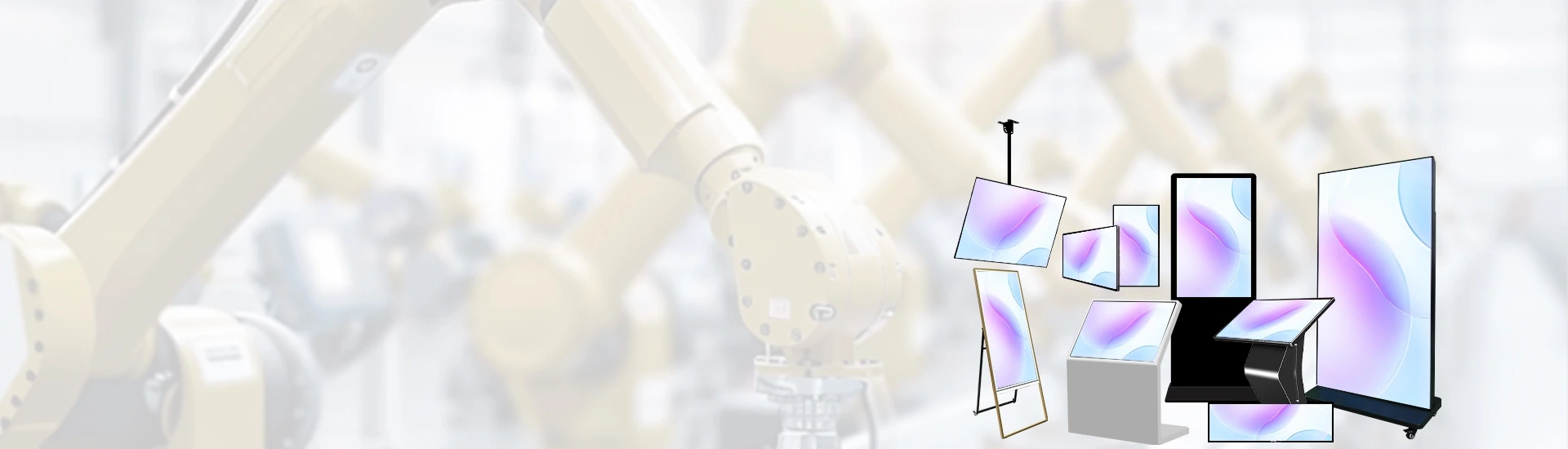
As global cultural tourism continues to recover, smart digital transformation has become an inevitable trend for modern museums. Traditional museum operation modes relying on manual ticketing, on-site consultation and paper guidebooks expose obvious pain points such as long queuing lines, high staffing costs, outdated exhibition presentation and difficult visitor data statistics. According to industry data, the global interactive ticketing kiosk market will maintain steady growth, and museum digital terminal equipment has become a standard configuration for high-quality cultural venues. Many traditional museums are facing the dilemma of aging audience groups and low revisit rates among young people, making digital interactive equipment an indispensable upgrade for venue operations.
A professional Touchscreen Kiosk tailored for museums can perfectly solve the above operational dilemmas. Different from ordinary digital signage with single fixed content, the dedicated self-service Kiosk for Museum supports human-computer interaction, offline operation, multi-scenario adaptation and intelligent data analysis. It covers full-link services from museum entry ticketing, exhibition inquiry, indoor navigation to visitor experience improvement, helping museums achieve efficient, intelligent and low-cost daily operations. In addition, 박물관 키오스크, kiosksysteme museen and the latest ticketing kiosk news all reflect that intelligent kiosk systems have become the core hardware for global museum digital upgrading.
Many museum operators confuse digital signage with professional self-service Kiosk for Museum, but there are essential differences in practical operation and functional value. Ordinary wall-mounted digital signage has single interactive functions, fixed content playback, no independent operation authority, and can only passively display preset pictures and videos, which is unable to meet personalized visitor needs and flexible museum operation management. It cannot support independent query, ticket processing and data statistics, and can only serve as a simple display tool.
In contrast, the museum-specific Touchscreen Kiosk has independent touch interaction capabilities, supports open-ended visitor queries, real-time ticket printing and QR code generation, and can realize one-stop services such as exhibition information retrieval and venue navigation. More importantly, compared with the traditional simple CMS content management system, our product’s exclusive remote management system is more suitable for museum multi-device and multi-scenario operation. It breaks the limitation of traditional CMS which only supports basic content uploading and updating, realizing remote real-time equipment monitoring, one-batch unified equipment management, intelligent fault early warning and offline content synchronization, which greatly reduces the daily operation and maintenance pressure of museum IT personnel and solves the core pain points of traditional CMS single function and poor manageability.
The most core application of the museum ticketing kiosk is to optimize the entry check-in process. In the peak tourist season, manual ticket windows are often crowded with long queues, which seriously affects visitor experience and venue operation efficiency. The self-service terminal supports one-stop operations such as online ticket verification, on-site ticket purchase, electronic QR code issuance and paper ticket printing. It effectively disperses passenger flow, reduces queuing time by nearly 50%, and maintains stable venue order even under full-load visitor volume.
This function effectively makes up for the shortage of museum staff, realizes unattended entry management, ensures orderly venue reception under the condition of insufficient staffing, and greatly improves the overall operational efficiency of the museum.
Traditional museum exhibitions rely on static text display boards, which have limited information and are easy to make visitors feel boring, resulting in low willingness of young groups to visit. The Touchscreen Kiosk injects vitality into static cultural relic exhibitions through rich interactive functions, completely changing the single display mode of traditional exhibitions.
Visitors can zoom in on cultural relic details, watch historical popular science videos, browse exhibition timeline, and participate in interactive games such as cultural relic puzzle restoration and virtual exhibition hall tour through touch operation. At the same time, the device supports full multi-language switching, covering visitors from different cultural backgrounds and solving language barriers for international tourists. Visitors can also scan the QR code on the device to download high-definition exhibition materials to their mobile phones, completely replacing traditional paper guidebooks, reducing museum paper waste, and realizing green and low-carbon venue operation.
The self-service Kiosk for Museum is equipped with a professional background data analysis system, which can automatically record core operation data including visitor viewing duration of each exhibition area, visitor flow trajectory, peak visitor period, and usage frequency of supporting facilities such as cafes and cultural and creative stores. These accurate data can provide reliable basis for museum operators to adjust exhibition layout, optimize exhibition content, formulate activity plans and improve supporting services.
Different from the simple data statistics of traditional CMS systems, our remote management system can realize real-time data synchronization and multi-dimensional data analysis, generate visual operation reports with one click, help managers quickly grasp venue operation status, realize refined and digital venue management, and effectively improve museum reception quality and operating income.
For museums with multiple exhibition halls and scattered terminal equipment, traditional CMS content management can only realize simple content update, which is inefficient and unable to monitor equipment operating status, resulting in high daily operation and maintenance costs. Our independently developed remote management system is specially optimized for museum multi-device scenarios, which is far more practical than ordinary CMS systems in actual venue operation.
The system supports remote batch management of all on-site ticketing kiosk and touch screen terminals, including one-click update of exhibition content, remote equipment startup and shutdown, real-time monitoring of equipment operation status, automatic fault alarm and offline content cache synchronization. Most importantly, it supports stable offline operation, which can adapt to unstable network environments of old museums and outdoor exhibition areas, ensuring the equipment can still work normally without network and avoiding service interruption. This function greatly reduces the frequency of on-site maintenance by technical personnel, saves a lot of labor and time costs for museum operation and maintenance, and ensures the long-term stable operation of smart equipment.
Facing the high-frequency use of massive visitors every day, the museum Touchscreen Kiosk adopts a professional tamper-proof and anti-damage design. The built-in system has a locked management mode, which can effectively prevent visitors from misoperation, unauthorized access to confidential venue information and security data, and avoid equipment system chaos and data security risks. The stable and reliable operating system can display complex historical and cultural knowledge in a simple and interactive way, taking into account visitor experience and venue safety management.
To meet the standardized construction requirements of modern public museums, our self-service Kiosk for Museum is equipped with complete accessibility adaptation functions, complying with international ADA public facility standards. The device supports screen reading, high-contrast display mode and closed caption display, which can provide convenient browsing and inquiry services for disabled visitors, helping museums complete public welfare and compliance assessment indicators and improve the inclusive service level of the venue.
As a one-time smart investment, museum kiosks bring continuous cost reduction and revenue growth benefits for venues. In terms of cost control, it replaces a large number of manual consultation and ticketing posts, reduces long-term human resource expenditure, and completely cuts the printing cost of paper guidebooks, brochures and venue maps. In terms of revenue growth, the device can display real-time information of special exhibitions, cultural and creative products and venue supporting businesses, guide visitor consumption, expand the secondary revenue channel of museums, and effectively improve the overall operating ROI of the venue.
Deploy ticketing kiosk at the main entrance to realize self-service ticket purchase, ticket checking and entry navigation, solve the problem of peak queuing congestion, and improve entry efficiency. It is suitable for large-scale comprehensive museums with large passenger flow all year round such as art museums and natural history museums, effectively optimizing the first visitor experience of the venue.
Arrange Touchscreen Kiosk beside key exhibitions to provide in-depth cultural relic interpretation, exhibition background introduction and related historical knowledge expansion, enrich exhibition presentation forms, and solve the problem of single static display content. It can link relevant characters, historical events and other exhibition information to create a full-dimensional knowledge learning journey for visitors.
Suitable for student research groups and public education activities, supporting group reservation inquiry, activity schedule browsing and interactive learning experience, reducing the work pressure of instructors, and improving the fun and interactivity of public education. It helps museums carry out standardized and intelligent public cultural popularization and research teaching activities.
Our museum self-service Kiosk for Museum solutions have been successfully deployed in many well-known museums represented by The Metropolitan Museum of Art. Before deployment, the museum faced prominent problems such as long ticket queuing queues, heavy manual consultation pressure, single exhibition display and difficult equipment unified management.
After the equipment was put into use, the museum’s ticket queuing time was reduced by 50%, the self-service rate of visitors increased significantly, and the manual reception pressure was greatly relieved. Through the exclusive remote management system, the museum’s operation and maintenance personnel realized centralized management of all terminal equipment, the daily maintenance efficiency was improved by more than 60%, and the paper printing consumption was reduced by 75%. The rich interactive functions also significantly improved the stay time and satisfaction of young visitors, and the overall digital operation level of the venue was comprehensively upgraded.
In the era of smart cultural tourism, relying on traditional manual operation and static exhibition modes is no longer able to meet the diverse needs of modern visitors. The professional museum ticketing kiosk and Touchscreen Kiosk, with efficient self-service functions, rich interactive experience, intelligent data analysis and professional remote management capabilities, have become essential smart equipment for museum digital transformation.
Different from ordinary CMS systems and traditional digital signage, our exclusive remote management system solves the core pain points of difficult multi-device management, high operation and maintenance costs and single content update for museums. The all-round optimized self-service Kiosk for Museum solution can help major cultural venues reduce costs, improve efficiency, enhance visitor experience, shape smart museum brand image, and lay a solid foundation for long-term high-quality development and digital upgrading of museums.
Yes. Our self-service Kiosk for Museum supports offline cache operation. All core functions including ticket verification, exhibition inquiry and venue navigation can run stably without network, which perfectly adapts to old museum buildings and outdoor exhibition areas with poor network coverage.
Traditional CMS only supports simple content upload and update. Our exclusive remote management system integrates batch device control, real-time fault monitoring, offline synchronization, data statistics and one-click report generation. It focuses on B-end operation and maintenance management, greatly reducing museum manual maintenance costs compared with ordinary CMS systems.
Absolutely. The Touchscreen Kiosk solution supports flexible customized deployment. Small and medium-sized museums can deploy a small number of devices for ticketing and basic exhibition inquiry, while large museums can realize full-coverage multi-device linkage. The cost-effective solution meets the budget and operational needs of all types of museums.
Yes. The ticketing kiosk is built-in with multi-language switching function, covering mainstream languages worldwide. It eliminates language barriers for international visitors and effectively improves the international service level of museums.
All devices adopt professional tamper-proof locking mode and secure operating system. It can prevent unauthorized access to confidential venue data and visitor misoperation, ensuring long-term stable and safe operation in high-frequency public scenarios.
Want to reduce museum operational costs, optimize visitor experience, and realize intelligent remote device management? Our customized self-service Kiosk for Museum, ticketing kiosk and touchscreen kiosk solutions are tailored for all types of cultural venues.

 SPA
SPA
 EN
EN  AR
AR  DAN
DAN  IT
IT  ARM
ARM  FIN
FIN  SWE
SWE  NOR
NOR  MAY
MAY  NL
NL  TH
TH  KOR
KOR  PL
PL  JP
JP  RU
RU  PT
PT  FRA
FRA  DE
DE  CHT
CHT 