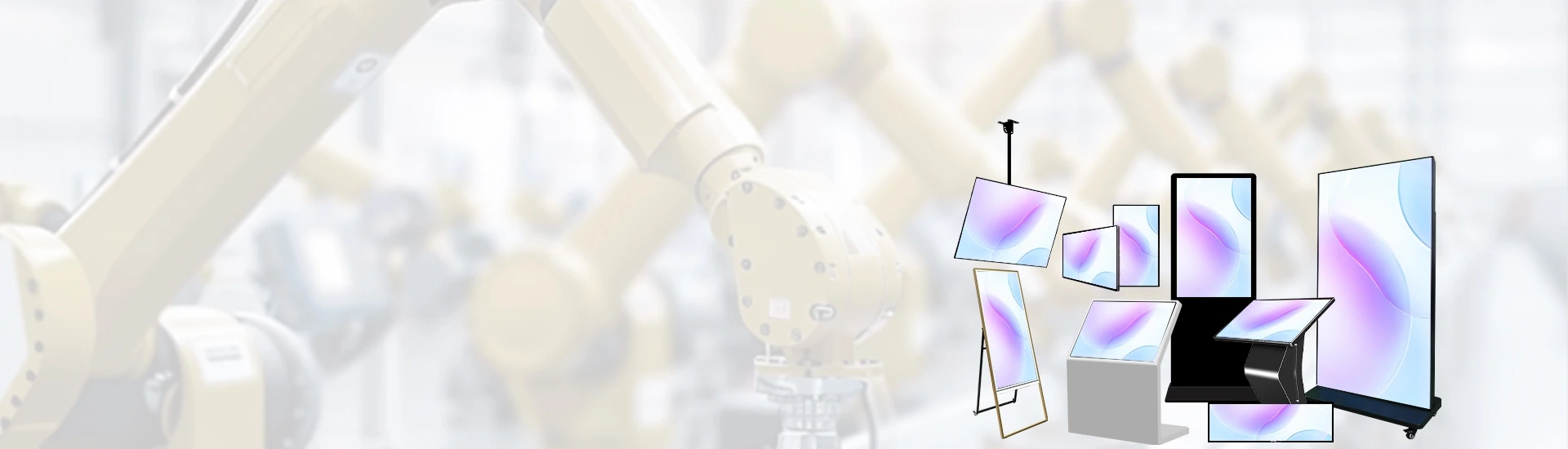
Современные образовательные учреждения ускоряют цифровую трансформацию, чтобы заменить фрагментированное ручное управление унифицированным управлением, управляемое данными. Целевые покупатели включают школьных менеджеров по закупкам, ИТ-директоров, администраторов объектов, государственных подрядчиков образования и интеллектуальных интеграторов кампуса. Традиционные операции кампуса сталкиваются с неэффективностью, включая отключенные системы посещаемости, изолированный контроль доступа, задержки объявлений, длинные административные очереди и медленную экстренную связь. Основываясь на отраслевых контрольных данных из отчета Education IT Benchmark Report 2024, более 68% высших учебных заведений и 72% школ сообщают о системных бункерах как о верхнем операционном барьере.
Университет с 20 000 студентов, полагающийся на ручную регистрацию, бумажные уведомления и автономные платежные системы, сталкивается с ростом затрат на рабочую силу, низкой производительностью персонала и плохим опытом студентов. Эти болевые точки включают задержку передачи информации, чрезмерные административные затраты на рабочую силу, отсутствие единой студенческой идентичности, низкую эффективность обслуживания и плохое межведомственное сотрудничество. Решение «все в одном», основанное на цифровых вывесках для школ с интегрированным аппаратным и программным обеспечением, решает эти проблемы и формирует критическую инфраструктуру для современных интеллектуальных кампусов.
Это решение представляет собой полноценную интеллектуальную экосистему кампуса, а не автономное устройство отображения. Он состоит из четырех основных уровней: доставка информации на основе цифровых вывесок для школы, интеллектуальное самообслуживание, унифицированная идентификация учащихся и централизованное управление на основе облака. Программно-аппаратная интеграция устраняет разобщенность данных и создает бесшовные соединения между сценариями кампуса.
Система автоматизирует ручное обслуживание, уменьшает человеческие ошибки, централизует данные кампуса, обеспечивает связь в режиме реального времени и упрощает ежедневные операции. Проверенные отраслевые данные показывают, что решение снижает административную нагрузку на 60-80%, ускоряет доставку информации на 300% по сравнению с физическими досками объявлений и повышает эффективность обслуживания студентов на 40% (Education Technology Efficiency Report, 2024). Решение предназначено для учреждений, все еще использующих отдельные системы посещаемости, оплаты, доступа и объявлений.
| Основная функция | Измеряемая стоимость кампуса |
|---|---|
| Интеграция единой студенческой идентичности | Одна цифровая идентификация соединяет академические, общежития и ежедневные услуги кампуса |
| Иерархическая система контроля доступа | Авторизованный доступ к общежитиям, классным комнатам и лабораториям с записями в реальном времени |
| Безналичный кампус Платежная система | Единый расчет расходов на столовую, розничную торговлю, прачечную и коммунальные услуги |
| Автоматическая посещаемость & отслеживание активности | Проверка классов и событий в реальном времени с помощью автоматизированных статистических отчетов |
| Централизованная CMS для цифровых вывесок | Удаленное управление контентом для всех терминалов отображения кампуса |
| Campus-Wide Аварийное уведомление | Мгновенные оповещения в один клик на всех экранах для обеспечения безопасности и реагирования на кризисные ситуации |
| Киоск самообслуживания 24/7 | Услуги автоматической оплаты, запроса и печати документов |
| Панель визуальной аналитики данных | Автоматическая агрегация данных о посещаемости, потреблении и поведении |
| Поддержка многоязычного дисплея | Переключение на два или несколько языков для международных кампусов |
| Открытая интеграция API | Бесшовная связь с существующими школьными ERP и платформами управления |
Запатентованное программное обеспечение для управления кампусом служит основным командным центром, связывающим цифровые вывески для школы, оборудования самообслуживания и терминалов студенческих карт. Он обеспечивает синхронизированную передачу данных, контроль разрешений и унифицированную работу для всего решения.
Крупные высшие учебные заведения с несколькими зданиями и отделами страдают от пропущенных объявлений и длинных административных очередей. Цифровые вывески для школы обеспечивают расписание в реальном времени, уведомления и обновления в кампусах. Интегрированное программное обеспечение управляет регистрацией, посещаемостью и доступом, а терминалы самообслуживания обрабатывают платежи и документацию. Данные из реальных проектов показывают, что административная нагрузка уменьшается на 70% после полного развертывания.
Начальные и средние учебные заведения отдают приоритет безопасности учащихся и родительскому общению. Ручная посещаемость потребляет ценные учебные часы, а традиционные методы уведомления не своевременны. Решение сочетает в себе контроль доступа, цифровые вывески для школы и автоматическую посещаемость, чтобы уменьшить административное бремя учителей и укрепить прозрачную связь дома и школы.
Пансионаты и международные кампусы требуют строгого управления общежитием и межкультурной коммуникации. Интегрированное программное обеспечение обеспечивает многоуровневое управление доступом, а цифровые вывески для школы поддерживают переключение многоязычного контента в реальном времени. Система повышает безопасность, упрощает надзор в общежитии и улучшает опыт для иностранных студентов.
Национальные и региональные проекты в области образования требуют унифицированных систем и централизованного мониторинга. Решение поддерживает пакетное развертывание цифровых вывесок для школы, унифицированных систем идентификации учащихся и масштабируемых платформ управления. Он устанавливает стандартизированную цифровую инфраструктуру и поддерживает управление образованием на основе данных в разных районах или странах.
Запатентованное программное обеспечение для управления кампусом объединяет цифровые вывески для школ, киосков и терминалов студенческих карт в одну единую систему. Он поддерживает регистрацию студентов, ежедневные операции и управление полным жизненным циклом с проверенной синхронизацией данных и стабильной производительностью.
All card interaction data syncs to the central platform in real time and displays on digital signage for school in public areas, creating a transparent and synchronized smart campus environment.
A community college group in the United States upgraded part of its campus infrastructure by introducing a digital signage for school network, student card system, and several self-service kiosks.
The displays were mainly installed in high-traffic areas such as student centers, cafeterias, and main academic buildings. Instead of relying on printed notices and emails, the school started using screens for class schedules, event updates, and occasional emergency alerts.
At the same time, a limited number of kiosks were placed near administrative offices, allowing students to check basic information, print simple documents, and reduce unnecessary visits.
According to feedback from the administrative team, the number of students visiting service counters for routine inquiries noticeably decreased during peak periods, especially at the beginning of each semester. Staff reported that they could focus more on complex requests rather than repetitive questions.
In Mexico, a regional education project introduced a basic digital signage for school system combined with student card-based attendance across several public schools as a pilot program.
The main goal was not full digital transformation, but to standardize communication and improve attendance recording consistency.
Schools used screens to display daily announcements, schedules, and government notices, while the student card system was used in selected entry points for attendance logging.
Project coordinators observed that attendance records became more consistent compared to manual roll calls, and school administrators found it easier to review attendance data without collecting paper reports from each class.
While the system is still expanding, it has already helped create a more unified management approach across participating schools.
A private education group in Brazil introduced a student card-based payment system, supported by digital signage for school and self-service kiosks, mainly focusing on cafeteria operations.
Before the upgrade, most transactions were handled in cash, which often caused delays during peak lunch hours and required additional time for daily reconciliation.
After implementation: Students could use their cards for quick payments, screens displayed menus and pricing clearly, and kiosks were used for balance checking and top-ups.
According to the school’s operations team, queue times during lunch hours were reduced, and finance staff reported that end-of-day reconciliation became simpler compared to cash handling.
The project also improved transparency for parents, who could better understand student spending through the system.
An international school in Spain adopted a digital signage for school system with bilingual content (English and Spanish), along with a student card system for daily campus activities.
The school faced challenges communicating effectively with both local and international families, especially for event announcements and schedule changes.
With the new system: Screens displayed content in multiple languages, important notices were scheduled and updated centrally, and student cards were used for attendance and access.
School staff reported that parents became more responsive to school updates, and fewer misunderstandings occurred regarding schedules and events.
The solution was particularly helpful during the beginning of the academic year, when new international students were adapting to the school environment.
A public university in Colombia gradually replaced traditional bulletin boards with a digital signage for school system, while also introducing a student card for access and campus services.
Instead of printing large volumes of notices, departments started publishing information digitally, including academic schedules, campus events and administrative notices.
Over time, the university reduced its reliance on printed materials, especially for frequently updated content.
Faculty members noted that students were more likely to notice information displayed on screens than on physical boards, particularly in common areas such as libraries and cafeterias.
The student card system also helped simplify access control and attendance tracking in selected buildings.
A private school group in Peru, operating across multiple campuses, implemented a centralized management platform with digital signage for school and a unified student card system.
Before the upgrade, each campus managed student data and communication separately, which led to inconsistencies in processes and reporting.
After adopting the system: All campuses shared a centralized student database, digital signage content could be managed remotely, student cards were standardized across locations.
The management team highlighted that the system made it easier to maintain consistent policies and communication across campuses, especially when expanding to new locations.
It also simplified internal reporting and reduced coordination effort between different schools.
Qtenboard maintains independent R&D and full in-house manufacturing capabilities. The company operates a 30,000+ ㎡ production base with dedicated lines for digital signage for school and self-service kiosks. The production system ensures stable quality and large-volume delivery for global projects.
The R&D team focuses on smart campus software and display integration. OEM and ODM services are available for screen size, software functions, multilingual interfaces and system workflows. Cost-effective deployment, fast production and global logistics support ensure reliable delivery for education projects worldwide.
All products hold CE, FCC and RoHS certifications and comply with international education equipment standards. The company has 10+ years of experience in digital signage and smart campus deployment, with a focus on the global education sector.
Comprehensive after-sales services include remote CMS training, API integration support, system updates and long-term technical maintenance. These services ensure stable long-term operation of digital signage for school and the full integrated system.
The solution uses a customized pricing model based on screen size, system configuration, deployment scale and software development requirements. No fixed universal price applies to education projects.
The standard procurement process includes requirement analysis, customized solution design, pilot testing, mass production, installation, commissioning and user training. This process ensures smooth deployment of digital signage for school and the full smart campus system.
Digital signage for school delivers real-time announcements, emergency alerts, class schedules, event information and safety reminders across campus public areas.
Yes, the open API structure allows seamless connection with school ERP, student information systems and existing administrative platforms.
The system uses encrypted data transmission, role-based permission control and real-time monitoring to protect student information and campus security.
Yes, self-service kiosks work with the central software and digital signage for school to provide round-the-clock payment, inquiry and printing services.
Yes, the system supports multi-language display and operation for international schools and bilingual education environments.
Traditional management tools no longer meet modern campus requirements. The integrated solution with digital signage for school, self-service hardware and unified software provides a full turnkey system for global education institutions.
The solution supports campus digital transformation, improves operational efficiency and reduces long-term costs. Customized proposals are available based on campus size, functional needs and budget.

 RU
RU
 EN
EN  AR
AR  DAN
DAN  IT
IT  ARM
ARM  FIN
FIN  SWE
SWE  NOR
NOR  MAY
MAY  NL
NL  TH
TH  KOR
KOR  PL
PL  PT
PT  SPA
SPA  FRA
FRA  DE
DE  CHT
CHT 