 CHT
CHT
 EN
EN  AR
AR  DAN
DAN  IT
IT  ARM
ARM  FIN
FIN  SWE
SWE  NOR
NOR  MAY
MAY  NL
NL  TH
TH  KOR
KOR  PL
PL  RU
RU  PT
PT  SPA
SPA  FRA
FRA  DE
DE 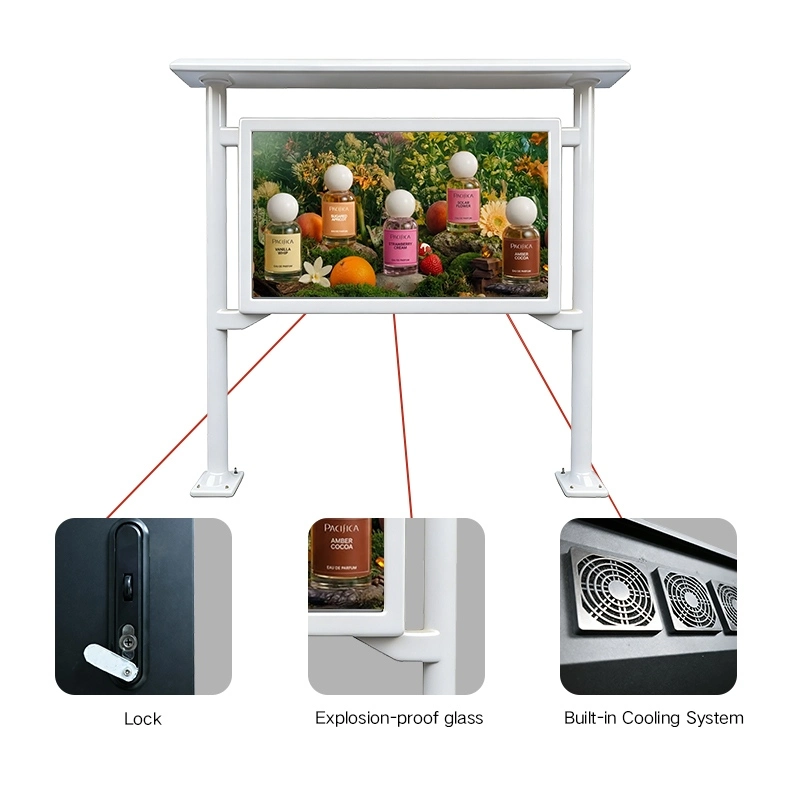


技術規格:
DOOH Outdoor Transit Bus Shelter Digital Signage — High-Brightness, IP66-Rated, 24/7 Transit Signage for Any Climate
Qtenboard's DOOH Outdoor Transit Bus Shelter Digital Signage platform delivers 2,500–5,000 nits sunlight-readable performance, IP66 weather-sealed protection, wide-temperature operation from −40°C to +65°C, and a cloud CMS with remote health monitoring. Built for bus shelters, rolling stock interiors, and fleet exteriors — trusted by DOOH media owners, transit authorities, and system integrators who answer tenders.
Four Reasons DOOH Outdoor Transit Bus Shelter Digital Signage Projects Fail — and How This Display Answers Each One
Every specification below exists to survive the questions your tender committee, your O&M team, and your media client will ask about your DOOH Outdoor Transit Bus Shelter Digital Signage deployment. No marketing gloss — just engineering decisions you can put in a spec sheet.
Sunlight Readable
Adaptive brightness from 2,500 to 5,000 nits with automatic dimming at night — DOOH Outdoor Transit Bus Shelter Digital Signage readable at noon in Dubai, without light pollution after dark.
All-Weather Proof
IP66 sealed chassis, anti-glare tempered glass, optional anti-vandal film, and industrial-grade wide-temperature components rated for sand, salt, frost, and humidity — engineered for DOOH Outdoor Transit Bus Shelter Digital Signage in any climate.
Remote Controllable
Cloud CMS with batch scheduling, device health dashboards, and instant failure alerts — one operator runs a national fleet of DOOH Outdoor Transit Bus Shelter Digital Signage, not a truck roll.
True 24/7 Duty
Industrial panels, sealed power supplies, and smart thermal management keep the DOOH Outdoor Transit Bus Shelter Digital Signage screen alive through continuous operation — with a 48-hour aging test before every shipment.
One Hardware Platform. Three Climate Builds for DOOH Outdoor Transit Bus Shelter Digital Signage. You Pick the Region, We Ship the Right Configuration.
Desert sand, tropical humidity, or Nordic frost — the same Qtenboard DOOH Outdoor Transit Bus Shelter Digital Signage platform carries three factory configurations. Tell us the deployment site; the correct filters, coatings, and thermal modules go in before the unit leaves the line.
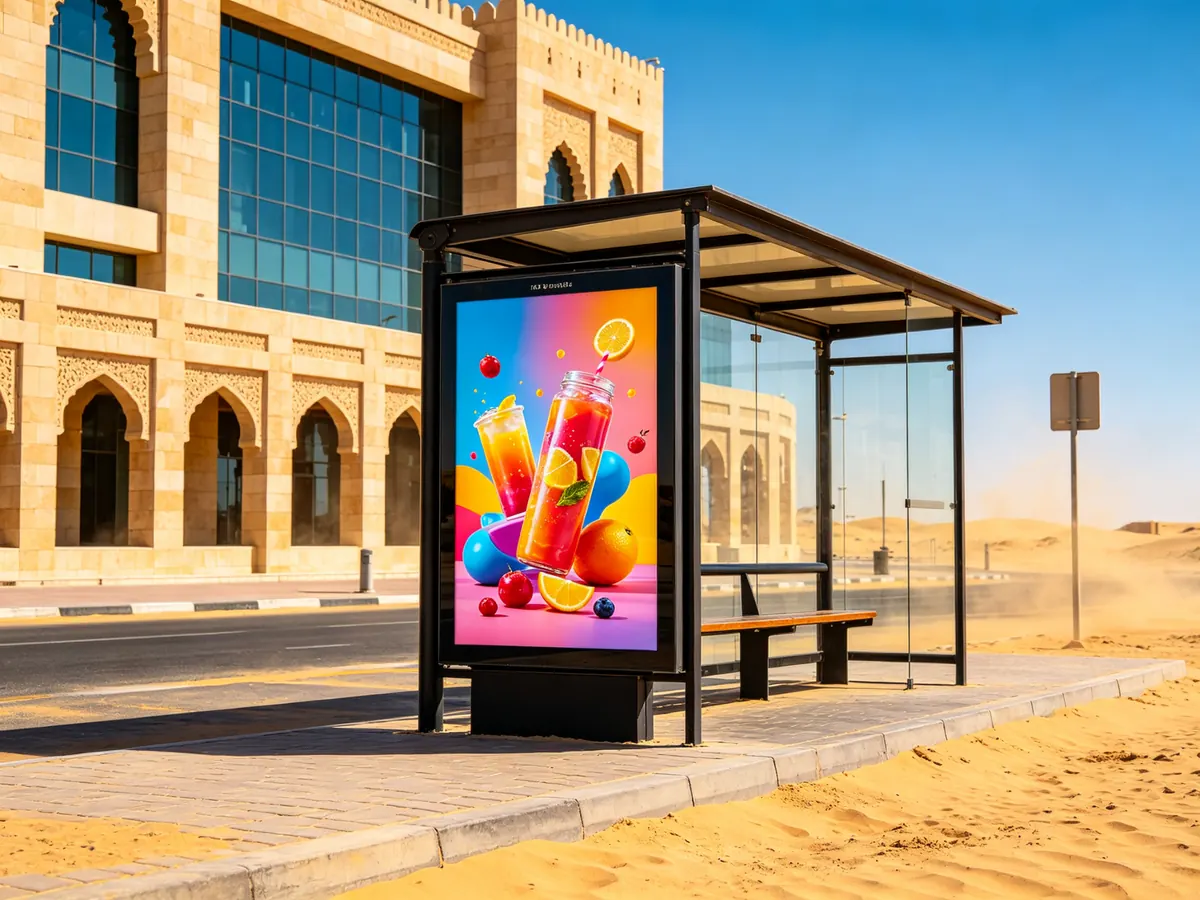 Middle East · Desert
Sandstorm & Solar Build
For DOOH Outdoor Transit Bus Shelter Digital Signage at open stops on Gulf highways where screens bake at +65°C and sand is a moving abrasive.
5000 nits direct-sunIP66 sand / dust tightSandstorm filterUV coatingVapor chamber cooling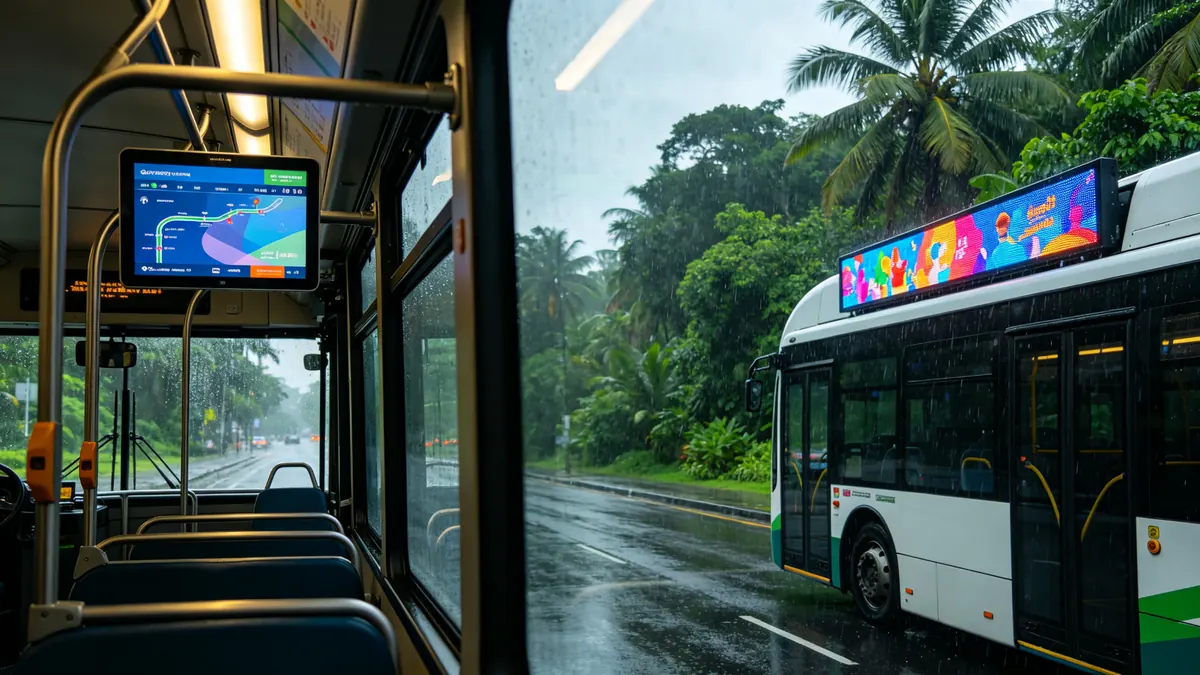 Southeast Asia · Tropical
Monsoon & Coastal Build
For DOOH Outdoor Transit Bus Shelter Digital Signage on equatorial fleets and coastal corridors where humidity, salt air, and sudden downpours kill generic screens.
4000–5000 nitsIP66 + salt sprayAnti-corrosion chassisConformal PCB coatingDehumidifier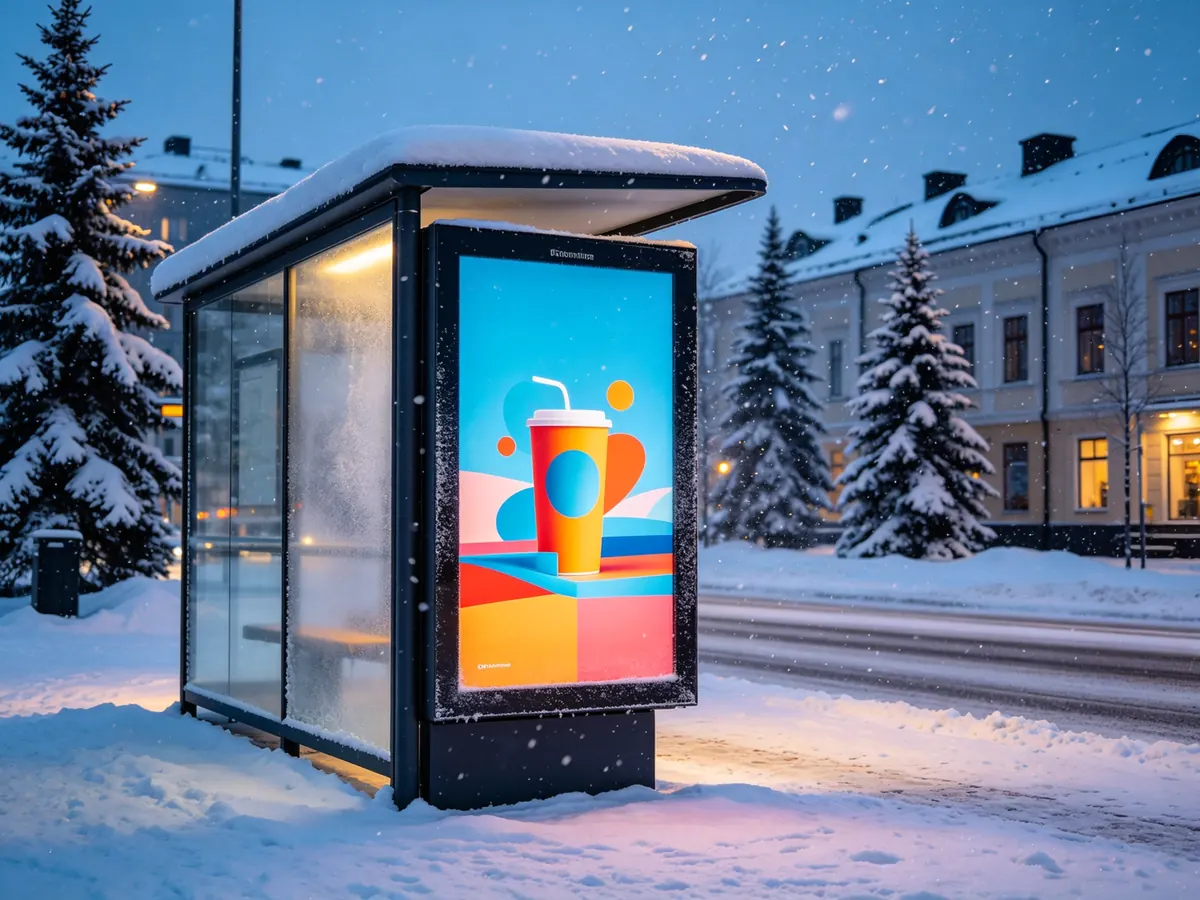 Nordic · Arctic / Cold
Deep-Freeze Build
For DOOH Outdoor Transit Bus Shelter Digital Signage in Nordic winters where condensation freezes on glass and cold starts kill under-spec power supplies.
2500–3000 nits anti-glareAuto glass heatingAnti-condensation sensorInsulated enclosure−40°C rated heaterStop Paying for DOOH Outdoor Transit Bus Shelter Digital Signage Ads Nobody Can Read at Noon
A 1,500-nit DOOH Outdoor Transit Bus Shelter Digital Signage display under direct desert sun is a gray rectangle with an invoice attached. The Qtenboard DOOH Outdoor Transit Bus Shelter Digital Signage pushes 5,000 nits behind anti-glare AG glass — the combination that keeps content crisp where your revenue is earned.
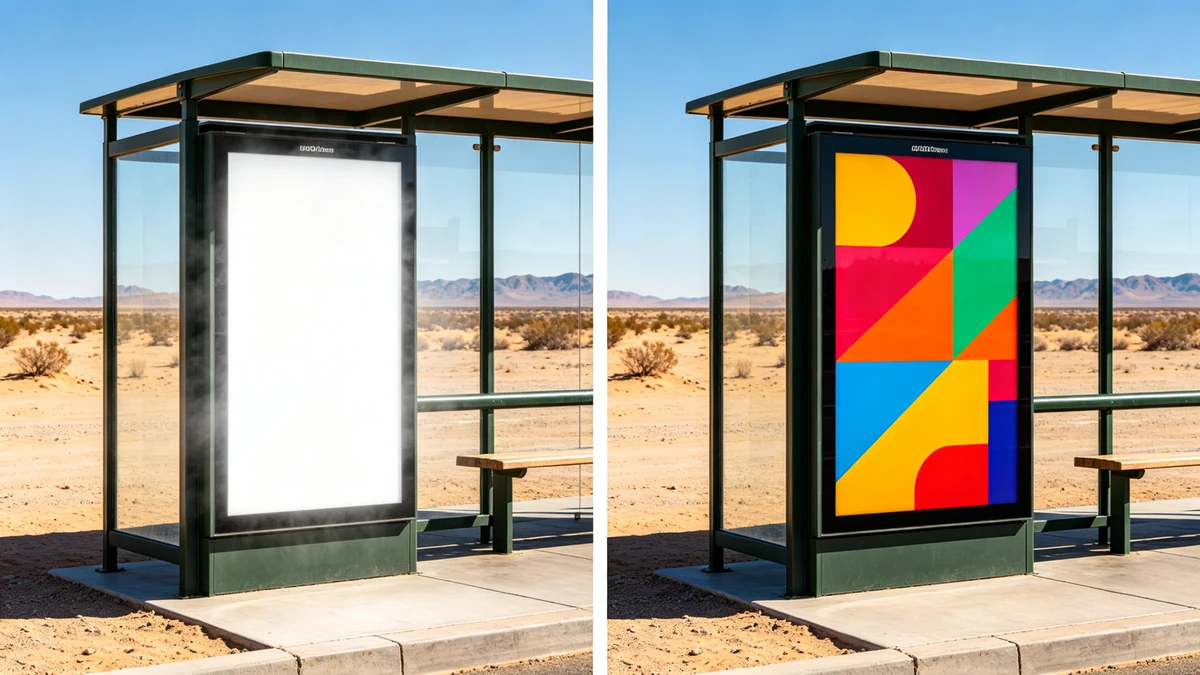
Same stop, same noon light: a standard 1,500-nit DOOH bus shelter screen washes out while the 5,000-nit Qtenboard DOOH Outdoor Transit Bus Shelter Digital Signage unit stays vivid.
How to Pick Brightness for Your DOOH Bus Shelter Digital Signage Site
- Shaded / glazed stops: 2,500 nits is sufficient for DOOH Outdoor Transit Bus Shelter Digital Signage — keep the night budget down.
- Open, east-west oriented stops: 3,500 nits covers low-angle sun most of the day for your DOOH bus shelter digital signage deployment.
- Open desert / equatorial stops: specify 5,000 nits — the default for Middle East and high-UV Southeast Asia DOOH Outdoor Transit Bus Shelter Digital Signage builds.
- Night operation: the ambient-light sensor auto-dims to a preset curve, cutting power draw and avoiding light-pollution complaints from adjacent buildings.
Not sure which DOOH Outdoor Transit Bus Shelter Digital Signage build matches your tender? Send the site photo and orientation in the RFQ form — the engineering desk answers with a brightness and cooling recommendation, not a sales line.
Key Specifications — DOOH Outdoor Transit Bus Shelter Digital Signage Standard vs. Regional Variants
The numbers your procurement team will verify for DOOH Outdoor Transit Bus Shelter Digital Signage. Copy these straight into your tender response; full test reports accompany every quotation.
| 參數 | Standard Spec | Middle East (Desert) | Southeast Asia (Tropical) | Nordic (Arctic / Cold) |
|---|---|---|---|---|
| Brightness (nits) | 2,500–3,500 | 5,000 (direct sun) | 4,000–5,000 (high UV) | 2,500–3,000 (low sun angle, anti-glare priority) |
| Operating Temperature | −20°C ~ +60°C | −10°C ~ +65°C | 0°C ~ +55°C (high humidity) | −40°C ~ +50°C |
| 入口保護 | IP65 (baseline) | IP66 (sand / dust tight) | IP66 + Salt Spray (coastal) | IP65 + ice / water shedding |
| Special Protections | AG glass | Sandstorm filter + UV coating | Anti-corrosion chassis + conformal coating | Auto glass heating + anti-condensation sensor |
| Cooling / Heating | Smart fan | High-efficiency A/C or vapor chamber | Smart fan + dehumidifier | Built-in heater + insulated enclosure |
Panel: industrial 24/7 grade, 178° viewing angle, contrast ratio ≥ 5,000:1. Network: Ethernet / 4G / Wi-Fi with resume-on-reconnection and local caching. Certifications: CE, FCC, RoHS; regional add-ons — UL (US), UKCA (UK), SASO (Middle East), IMDA (Southeast Asia). Explore Qtenboard's global digital signage deployment insights for more technical reference data.
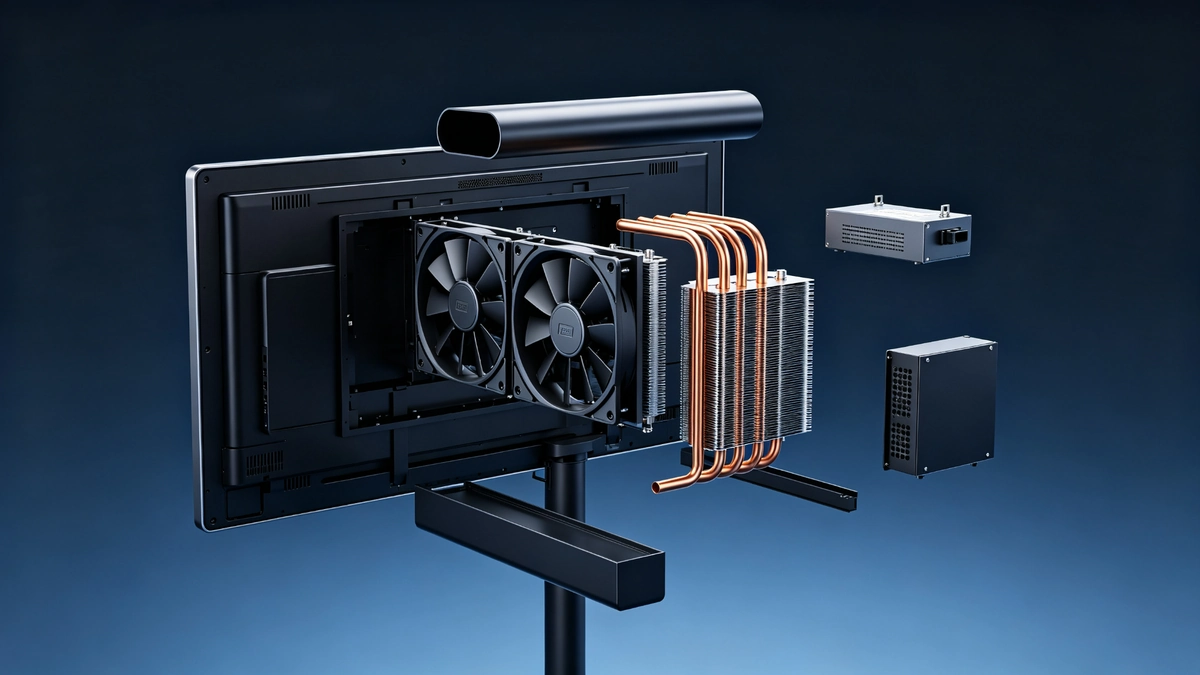
Sealed cooling duct, smart fan array, and an optional heating module — the thermal core behind the +65°C and −40°C ratings for DOOH Outdoor Transit Bus Shelter Digital Signage.
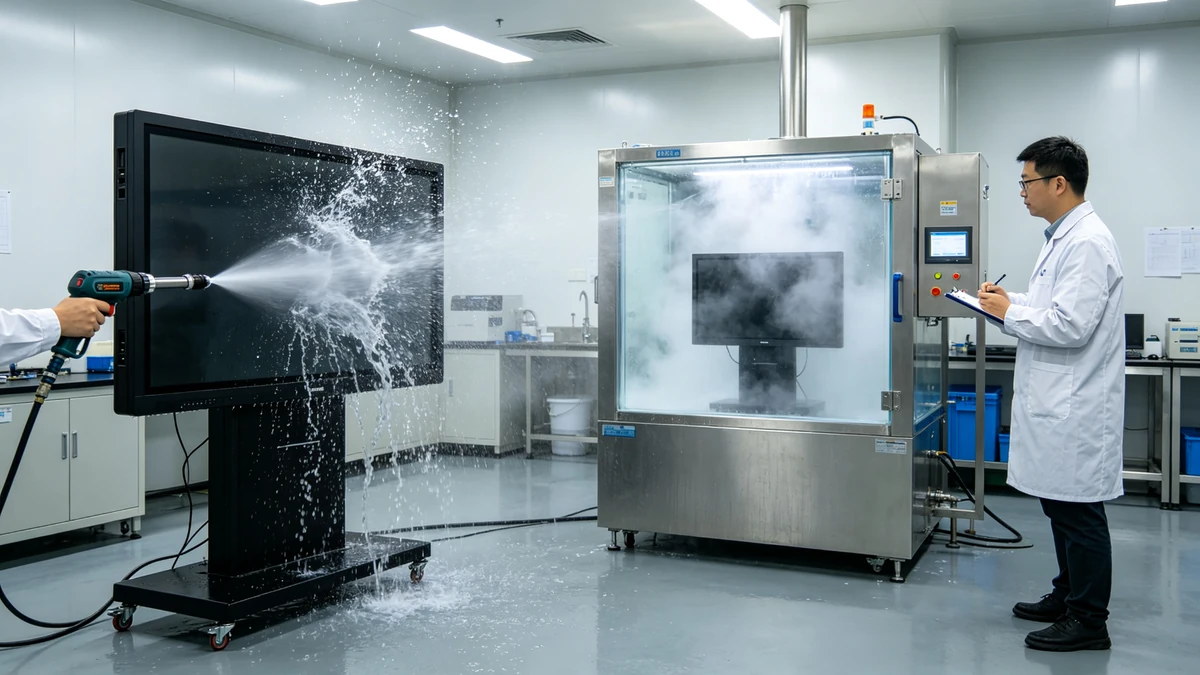
Every DOOH Outdoor Transit Bus Shelter Digital Signage model family is validated in-house: high-pressure water jet, 480-hour salt spray, vibration, and drop testing before the batch is released.
Four DOOH Outdoor Transit Bus Shelter Digital Signage Models Cover the Whole Transit Footprint
Shelter, interior, and exterior — one vendor, one CMS, one spare-parts pool for your DOOH Outdoor Transit Bus Shelter Digital Signage deployment. Mix models in a single project and keep the management stack identical.

The DOOH Outdoor Transit Bus Shelter Digital Signage OBS series: 43″ shelter screen, 55″ double-sided totem, 21.5″ interior rail screen, and 32″ exterior LED board.
| 型號 | 尺寸 | Orientation | Brightness Level | 面板 | 系統 | Typical Use |
|---|---|---|---|---|---|---|
| OBS-S43 | 43″ | Vertical | 2,500 / 3,500 / 5,000 | 1080p | Android 8.1 | DOOH bus shelter — single side |
| OBS-S55D | 55″ | Vertical / Double | 3,500 / 5,000 | 4K (opt.) | Android / Windows | DOOH bus shelter — double-sided totem |
| OBS-I21 | 21.5″ | Horizontal | 2,500 (opt.) | 1080p | Android 7.1 | Bus interior (headrest / rail) |
| OBS-E32 | 32″ | Horizontal | 5,000 (opt.) | 1080p | Linux / Android | Bus exterior (side / rear) |
Mounting: floor-standing, wall-mount, or cantilever arm. Front-serviceable design with quick-release locks — media change and service happen from the front, no enclosure dismantling. I/O: HDMI / DP / LVDS, USB 2.0 / 3.0, RJ45, optional 4G / 5G module, RS485 for sensors.
DOOH Outdoor Transit Bus Shelter Digital Signage Solution Architecture — What You Actually Manage After Sign-Off
You are not buying a screen. You are buying a DOOH Outdoor Transit Bus Shelter Digital Signage network with a single point of control. Here is the stack, layer by layer, and where your existing systems plug in.
Terminal Layer
DOOH Outdoor Transit Bus Shelter Digital Signage screens (shelter / interior / exterior), mounting brackets, and protective accessories — IP-rated, vibration-tested for rolling stock.
Platform Layer
Cloud CMS for DOOH Outdoor Transit Bus Shelter Digital Signage with multi-tenant access, role-based permissions, audit trails, media library, dynamic scheduling, and a fleet health dashboard.
Network Layer
Wired + 4G hybrid networking with edge caching, offline playback, and log backhaul for DOOH Outdoor Transit Bus Shelter Digital Signage — a dead tunnel does not kill the campaign.
Data Layer
Play logs, online rates, fault alerts, energy consumption, and brightness reports from your DOOH Outdoor Transit Bus Shelter Digital Signage fleet — configurable, with open APIs for third-party billing and traffic systems.
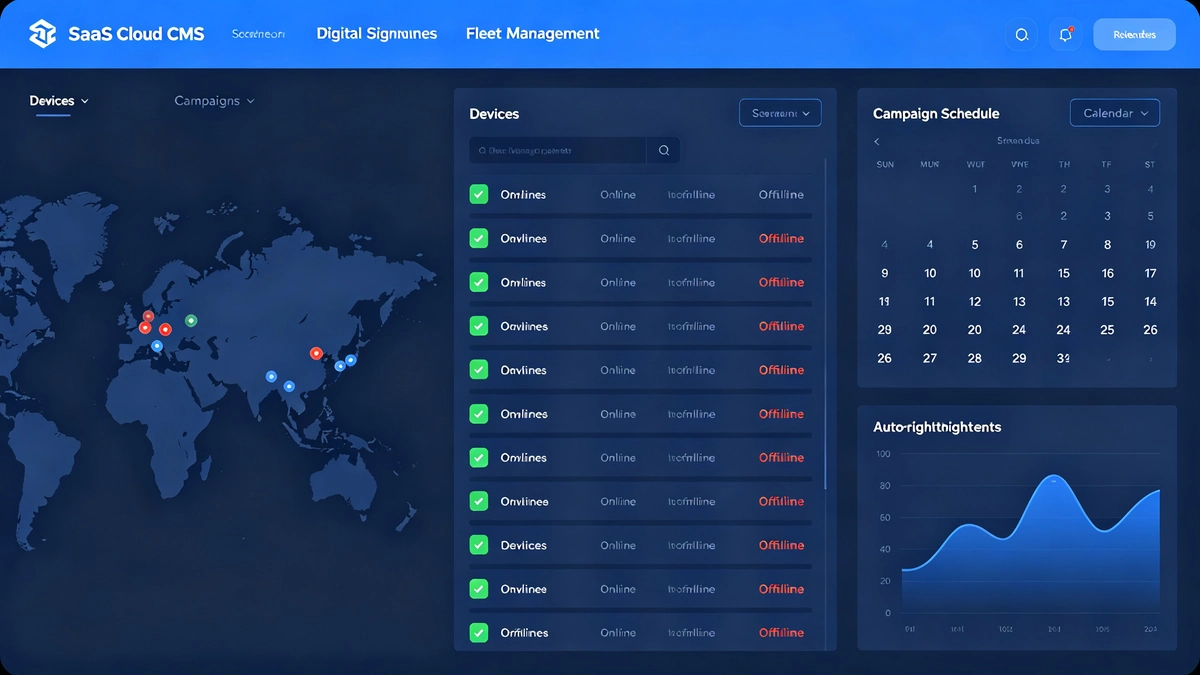
DOOH Outdoor Transit Bus Shelter Digital Signage fleet view: device map, online / offline status, campaign schedule, and the automated brightness curve — all in one dashboard.
Integration That Won’t Box You In
- Use the Qtenboard cloud CMS out of the box, or point the DOOH Outdoor Transit Bus Shelter Digital Signage terminals at your existing CMS via open API.
- White-label the CMS with your own domain and logo for DOOH Outdoor Transit Bus Shelter Digital Signage channel and project business.
- Push real-time bus arrival data, weather, and public announcements beside ad slots on the same DOOH bus shelter screen.
- Content best practice for DOOH Outdoor Transit Bus Shelter Digital Signage: 6–15s primary spots, 15–30s informational blocks, core message inside 3 seconds, large type, high contrast.
DOOH Outdoor Transit Bus Shelter Digital Signage Case Studies — Configured, Deployed, Measured
Three DOOH Outdoor Transit Bus Shelter Digital Signage deployments, three climates, three sets of operating numbers. Each project shipped with the regional build above and was measured against an operating target — not a brochure promise. View more global Qtenboard project case studies for additional deployment references.
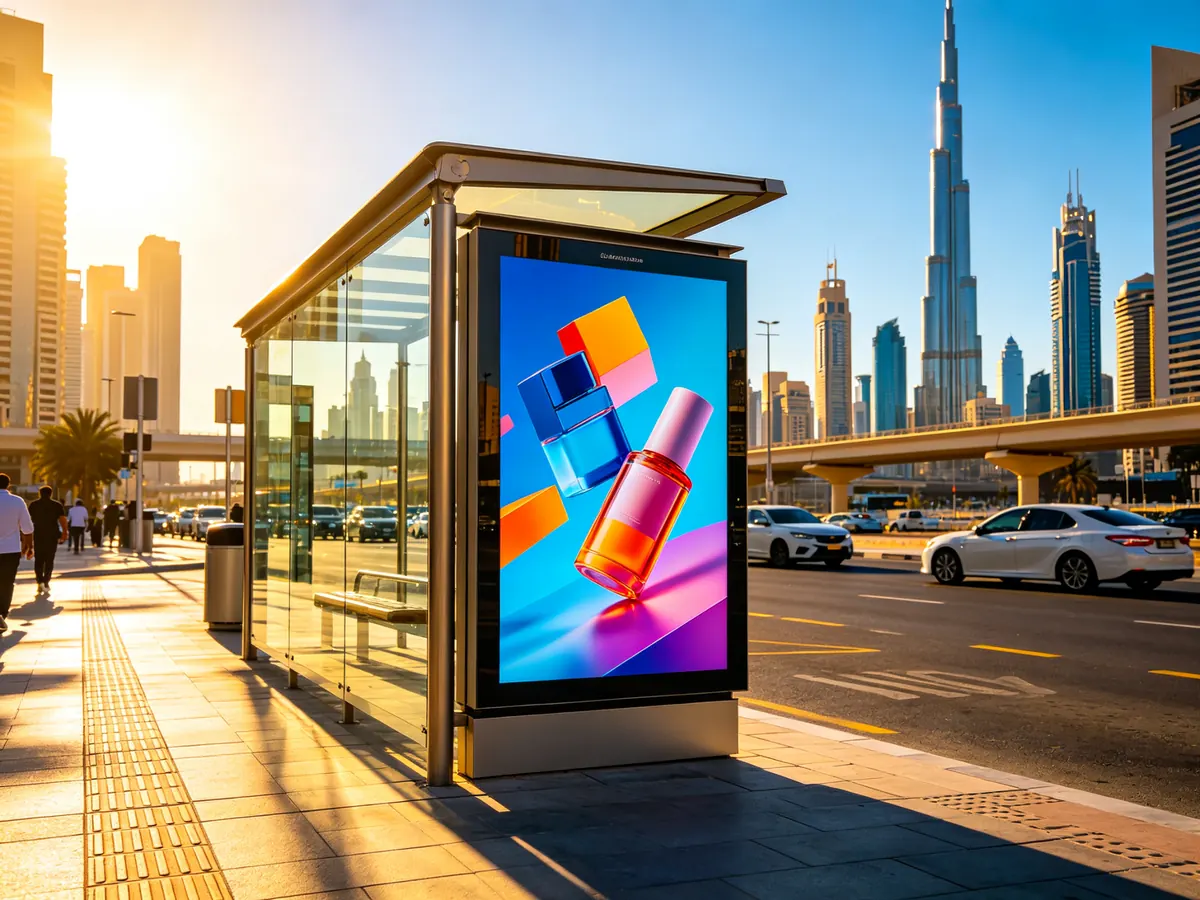
Smart Bus Shelters — Dubai
Config: 55″ double-sided DOOH Outdoor Transit Bus Shelter Digital Signage units, 5,000 nits, IP66 with sand filters, vapor-chamber cooling.
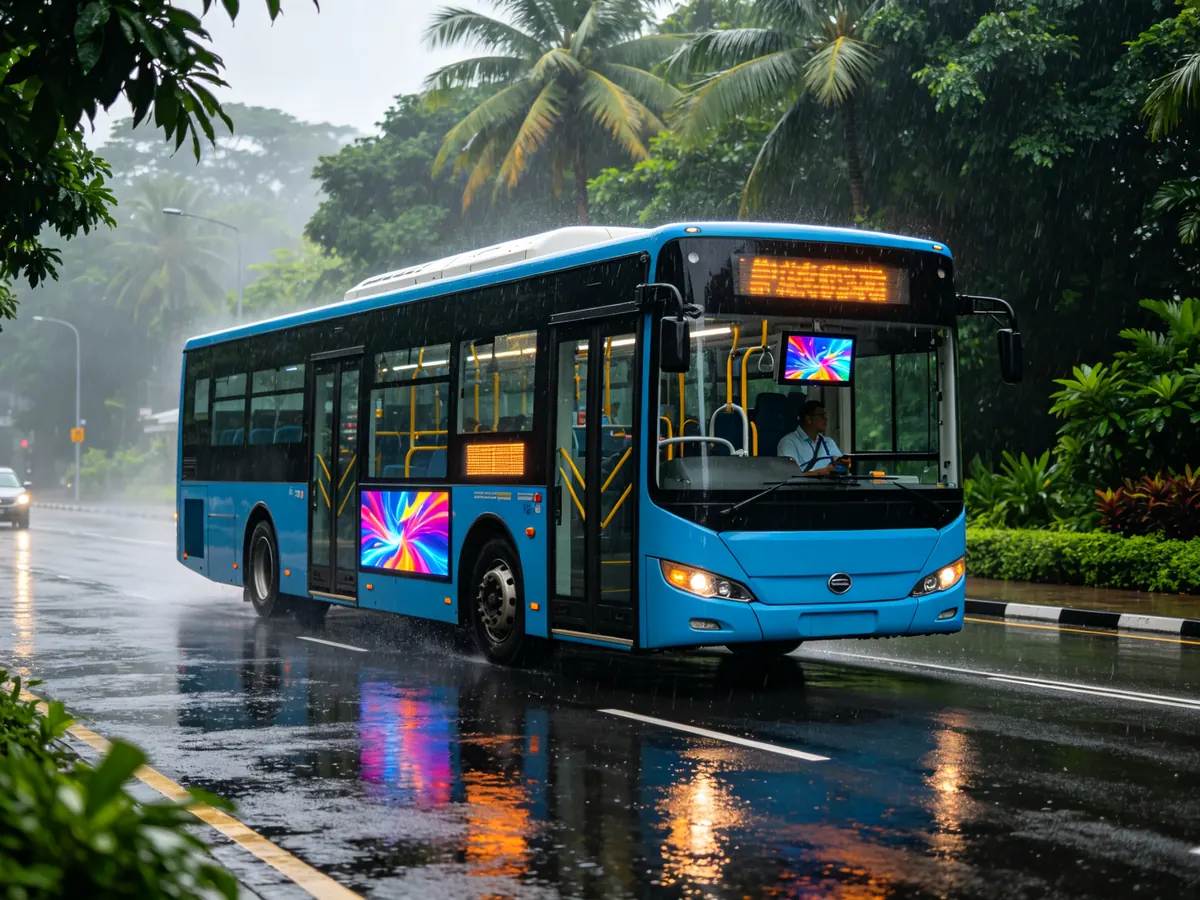
Bus Fleet — Singapore
Config: 21.5″ interior rail screens + exterior side LED boards for DOOH Outdoor Transit Bus Shelter Digital Signage, anti-corrosion chassis, conformal PCB coating.
Transit Hubs — Oslo
Config: 49″ DOOH Outdoor Transit Bus Shelter Digital Signage shelter screens with auto glass heating and −40°C-rated heaters, insulated enclosures.
Project references for DOOH Outdoor Transit Bus Shelter Digital Signage are available on request with configuration sheets and commissioning records. Client names are shared under NDA during the tender phase.
OEM / ODM for DOOH Outdoor Transit Bus Shelter Digital Signage — Your Brand on the Bezel, Our Engineering Behind It
Qtenboard has manufactured commercial displays since 2005 across a 330,000 m² base with 1,000+ staff. For DOOH Outdoor Transit Bus Shelter Digital Signage projects, that means one factory can own your hardware, your software, and your compliance paperwork.
What We Customize for DOOH Outdoor Transit Bus Shelter Digital Signage
- Size / brightness / panel combinations and bezel color & materials
- Logo silkscreen, boot-up animation, system image, and CMS integration
- Regional engineering: sandstorm filters (Middle East), conformal coating & dehumidifiers (Southeast Asia), glass heaters & insulation (Nordic) for DOOH Outdoor Transit Bus Shelter Digital Signage
- Mounting brackets matched to DOOH bus shelter steelwork, bus frames, and cantilever arms

SMT line, final assembly, and the 48-hour high-temperature aging room every DOOH Outdoor Transit Bus Shelter Digital Signage unit passes before shipment.
DOOH Bus Shelter Digital Signage Delivery Capabilities
- MOQ: 10–50 units depending on model and DOOH Outdoor Transit Bus Shelter Digital Signage custom content
- Samples: 15–25 days with full test data
- Mass production: 30–45 days from sample approval
- Quality gates: 48-hour aging, vibration / drop testing, IP & salt-spray verification
- Logistics: wooden crates for sea freight, region-ready packaging
DOOH Outdoor Transit Bus Shelter Digital Signage — Front-Serviceable by Design, Lower Lifetime Cost for the Operator
The cost of DOOH Outdoor Transit Bus Shelter Digital Signage is not the purchase price — it is the truck roll every time a screen fails. These DOOH bus shelter units open from the front, so media swaps, filter changes, and module replacement never require dismantling the shelter.
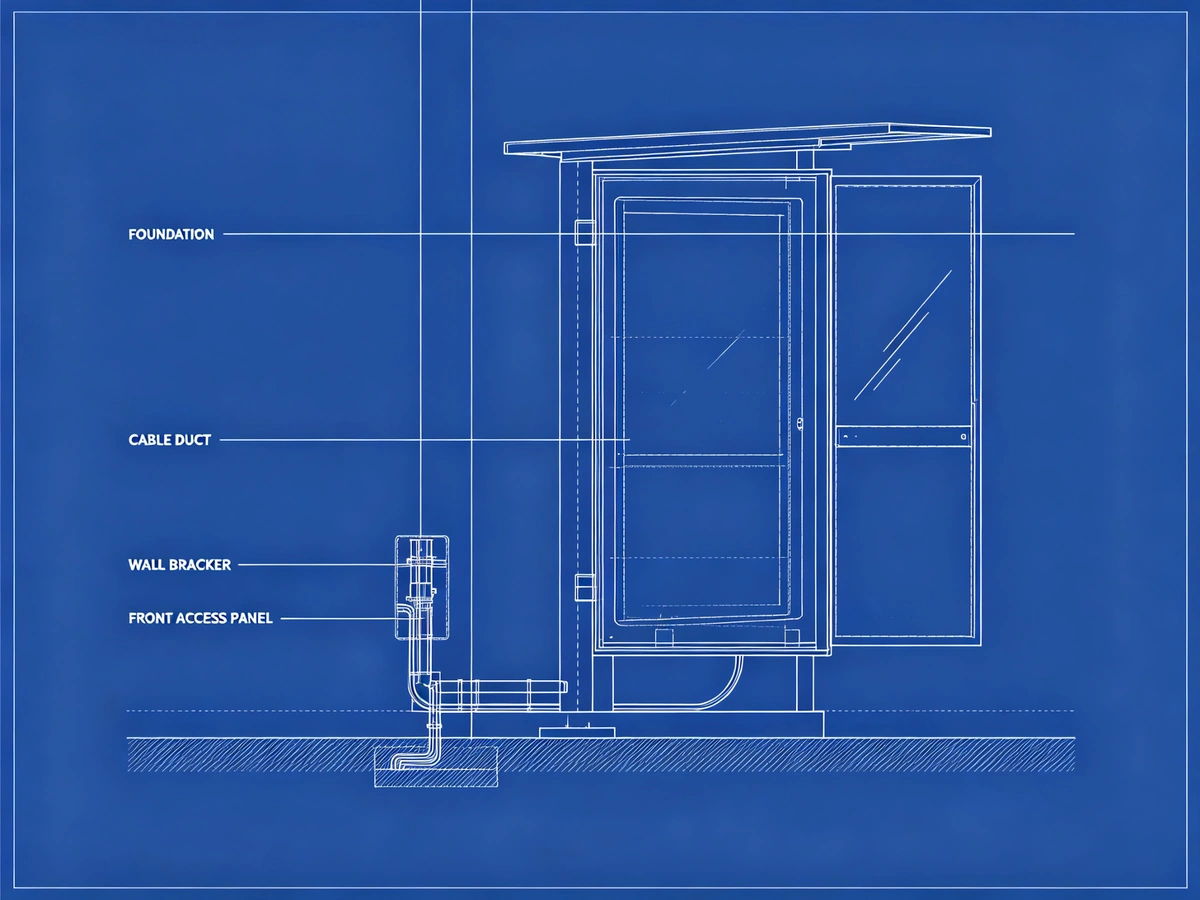
Foundation, cable conduit, wall bracket, and the front-service access panel — full DOOH Outdoor Transit Bus Shelter Digital Signage installation drawings ship with every project.
Installation Requirements — Answered Up Front
- Foundation: pre-cast pad or steel base for DOOH Outdoor Transit Bus Shelter Digital Signage; site survey report and anchoring drawings provided with the quotation
- Cabling: single cable conduit entry, power + network; 4G fallback means no trenching for DOOH bus shelter retrofit stops
- Mounting: floor-standing, wall-mount, or cantilever arm — brackets matched to local DOOH bus shelter standards
- Maintenance: quick-release front locks; 5–10% spare-parts buffer stocked for DOOH Outdoor Transit Bus Shelter Digital Signage project fleets
DOOH Bus Shelter Digital Signage Service Packages
- Standard 3-year warranty; extended 5-year option
- Remote / on-site support SLA with 24/7 response window
- End-user training for O&M teams, plus cloud CMS onboarding
Certifications Your DOOH Outdoor Transit Bus Shelter Digital Signage Tender Will Actually Check
Base compliance on every DOOH Outdoor Transit Bus Shelter Digital Signage unit: CE, FCC, RoHS, IK10, IP66, plus regional add-ons — UL (US), UKCA (UK), SASO (Middle East), IMDA (Southeast Asia). Tested to IEC 60529 (IP) and IEC 62262 (IK), with verifiable certificate numbers attached to every quotation.

CE, FCC, RoHS, IK10, IP66, SASO, IMDA — DOOH Outdoor Transit Bus Shelter Digital Signage certificate copies shipped with the tender pack.
- IEC 60529 ingress protection ratings with independent test reports for DOOH Outdoor Transit Bus Shelter Digital Signage
- IEC 62262 IK10 vandal-resistance for unstaffed DOOH bus shelter stops
- Region-specific certifications arranged before mass production — no last-minute compliance surprises at customs
- Full test reports with verifiable certificate numbers for each DOOH Outdoor Transit Bus Shelter Digital Signage target market
DOOH Outdoor Transit Bus Shelter Digital Signage FAQ — What Buyers Ask Before They Issue the PO
What brightness do I need for an open bus stop vs. a shaded one for DOOH Outdoor Transit Bus Shelter Digital Signage?
For open DOOH Outdoor Transit Bus Shelter Digital Signage stops facing direct sun, specify the 5,000-nit build (Middle East / high-UV Southeast Asia) or 3,500 nits for moderate climates. Shaded or glazed DOOH bus shelter shelters run comfortably at 2,500 nits. The ambient-light sensor auto-dims at night on every DOOH Outdoor Transit Bus Shelter Digital Signage build, so higher daytime brightness does not mean higher night power draw. Refer to the regional variants table above — if the site photo is attached to your RFQ, the engineering desk will confirm the exact DOOH Outdoor Transit Bus Shelter Digital Signage figure before you order.
What is the real difference between IP65 and IP66 for DOOH Outdoor Transit Bus Shelter Digital Signage? Do I need IK10?
IP65 protects against low-pressure water jets; IP66 adds protection against powerful high-pressure jets and is the practical baseline for sand-blasted desert DOOH Outdoor Transit Bus Shelter Digital Signage stops and monsoon downpours. Both stop dust. IK10 is impact resistance — specify it for unstaffed ground-level DOOH bus shelter stops where vandalism is a real risk; use the IK rating to justify your DOOH Outdoor Transit Bus Shelter Digital Signage housing specification in the tender rather than leaving it open.
How does the DOOH Outdoor Transit Bus Shelter Digital Signage unit handle +65°C heat or −40°C cold? Do you provide de-rating curves?
Yes. DOOH Outdoor Transit Bus Shelter Digital Signage thermal behavior is documented, not guessed:
- Desert DOOH Outdoor Transit Bus Shelter Digital Signage build: vapor-chamber or high-efficiency A/C cooling holds panel temperature within spec at +65°C ambient; sand filters protect airflow.
- Nordic DOOH Outdoor Transit Bus Shelter Digital Signage build: glass heating prevents frost and condensation; insulated enclosure and −40°C-rated heater support cold start.
- De-rating curves for DOOH Outdoor Transit Bus Shelter Digital Signage brightness vs. ambient temperature are supplied with the engineering file pack, so your O&M team can plan content brightness by season.
Which CMS platforms are supported for DOOH Outdoor Transit Bus Shelter Digital Signage? Can I integrate with my existing platform?
DOOH Outdoor Transit Bus Shelter Digital Signage terminals ship with the Qtenboard cloud CMS — multi-tenant, white-label capable — or can be pointed at your existing CMS through open APIs. For operators already running a DOOH ad-serving stack, we integrate the DOOH Outdoor Transit Bus Shelter Digital Signage player with your scheduling and billing system so the hardware slots into the contract you already have, instead of replacing it. See how Qtenboard digital signage solutions adapt across industries for comparable integration examples.
What are the installation requirements for DOOH Outdoor Transit Bus Shelter Digital Signage? Is front maintenance supported?
DOOH Outdoor Transit Bus Shelter Digital Signage installation needs a pre-cast pad or steel base and a single cable conduit entry for power and network; the 4G module removes trenching for DOOH bus shelter retrofit stops. Every DOOH Outdoor Transit Bus Shelter Digital Signage unit is front-serviceable with quick-release locks — media, filters, and modules are swapped from the front without dismantling the shelter. Full foundation and anchoring drawings ship with the quotation.
What certifications and test reports can you provide for DOOH Outdoor Transit Bus Shelter Digital Signage tenders (SASO, IMDA, and others)?
CE, FCC, RoHS, IK10, and IP66 come standard on every DOOH Outdoor Transit Bus Shelter Digital Signage unit; UL, UKCA, SASO, and IMDA are arranged per target market before mass production. Each DOOH Outdoor Transit Bus Shelter Digital Signage quotation includes verifiable certificate numbers and independent test reports (IEC 60529 / IEC 62262), plus the 48-hour aging and salt-spray records for the batch. If your DOOH Outdoor Transit Bus Shelter Digital Signage tender lists a certification we have not named, raise it in the RFQ — compliance scope is confirmed in writing before you commit.
DOOH Outdoor Transit Bus Shelter Digital Signage Projects on Three Continents — One Factory Behind Them
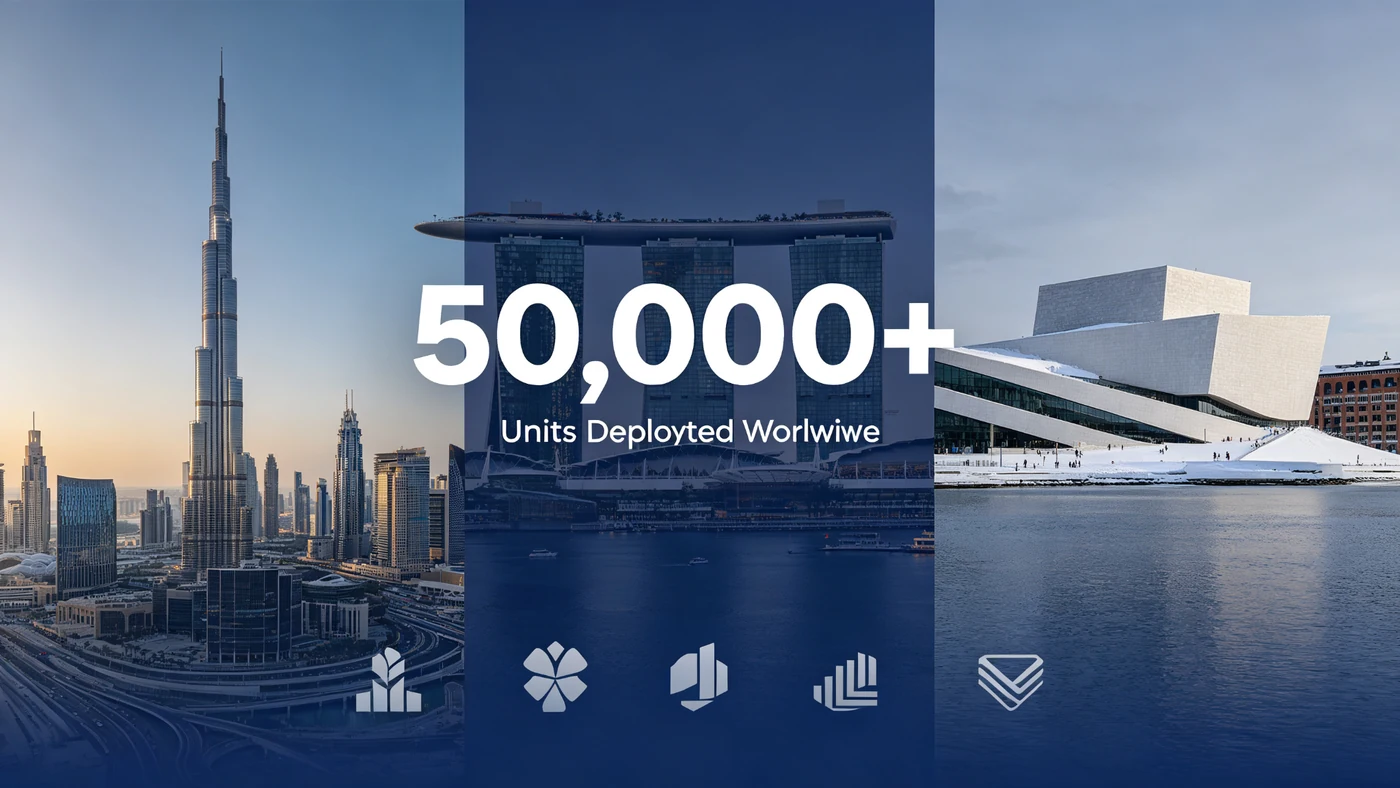
50,000+ DOOH Outdoor Transit Bus Shelter Digital Signage units deployed worldwide across transit, retail, and government projects.
Ready to Deploy DOOH Outdoor Transit Bus Shelter Digital Signage?
Tell us your deployment region, screen size, and project volume — our engineering desk responds with a configured DOOH Outdoor Transit Bus Shelter Digital Signage recommendation within 24 hours.