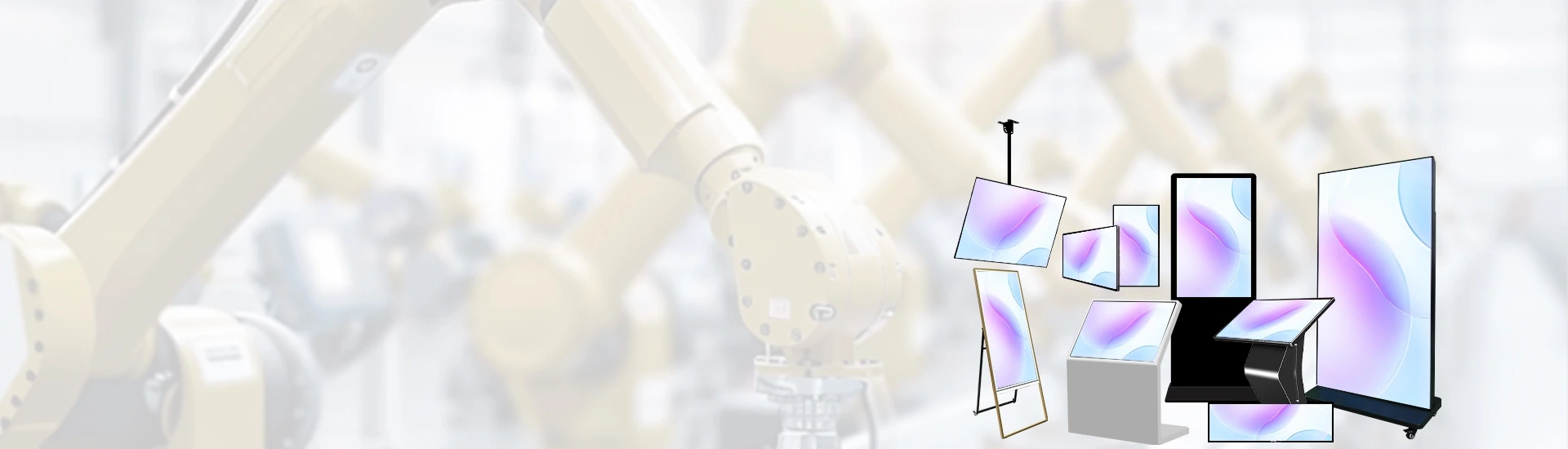
Commercial-grade hardware, PMS integration, content strategy, and measurable ROI — everything hotel IT and operations teams need to evaluate before procurement.
In 2026, hotel operators face a dual pressure: guests expect instant, personalized information, while labor costs continue to rise. Paper brochures and static Hotell digital skyltning cannot keep pace with changing F&B offers, spa availability, or event schedules. In-room digital signage brings relevant content directly to guests — at the right moment, on the right screen.
The operational case is straightforward. A single front desk agent fields an average of 40–60 guest queries per shift, many of which involve information that a screen could display. By deploying digital signage for hotels across lobbies and guest rooms, properties in Dubai and across Europe have reported a measurable drop in repetitive queries, allowing staff to focus on higher-value service. For a deeper dive into current market shifts, review our latest digital signage industry trends.
Key takeaway: Hotel digital signage is not a guest amenity — it is an operational infrastructure investment that pays back through reduced labor friction and incremental upsell revenue.
The single most common mistake in hospitality display procurement is specifying consumer-grade televisions for commercial environments. Consumer displays are engineered for 4–6 hours of daily use in a living room. A hotel lobby screen runs 24/7, often at full brightness, in a dust-prone environment with constant temperature fluctuation.
Commercial-grade Hotell digital skyltning displays use fanless aluminum heat dissipation, industrial-grade components, and stable Android or Linux platforms built for uninterrupted operation. This means fewer service calls and consistent guest-facing performance — even during peak check-in hours.
For lobby and wayfinding displays, a minimum of 500 cd/m² brightness is recommended. For in-room screens, 300–350 cd/m² is sufficient. Pixel pitch matters most for large-format lobby walls: 1.25mm or below for close-viewing installations.
Modern in-room digital signage integrates with property management systems (PMS) such as Opera, IPTV middleware, and third-party CMS platforms. This enables personalized guest greetings, automated check-out reminders, and dynamic F&B promotions based on occupancy data.
Qtenboard partnered with a luxury property in Dubai to deploy an end-to-end Hotell digital skyltning ecosystem across guest rooms and public areas.
This deployment reflects a broader trend across the Gulf region: digital signage for hotels is shifting from a nice-to-have lobby feature to a core component of guest experience infrastructure. You can review our recent hotel signage deployment news for additional regional insights.
In-room screens are premium real estate. Hotels can monetize them through spa booking prompts, restaurant upsells, late check-out offers, and third-party advertising from local attractions. One European property group reported that in-room Digital skyltning generated 12% of total F&B revenue through promotional placements.
Dynamic content scheduling allows hotels to show breakfast buffet promotions at 7 AM, poolside offers at noon, and fine dining menus in the evening — all without staff intervention.
Leading CMS platforms support dayparting rules: content automatically rotates based on time of day, occupancy rate, or guest segment. A business hotel may prioritize meeting room availability during weekdays, while a resort property shifts to leisure activity promotion on weekends.
Whether you operate a single boutique property or a multi-location chain, Qtenboard delivers Hotell digital skyltning that runs 24/7, integrates with your existing systems, and scales with your portfolio.
How long does a typical hotel digital signage deployment take?
A standard deployment across 100–200 guest rooms and public areas typically takes 4–6 weeks from site survey to go-live. This includes hardware delivery, network configuration, CMS setup, and staff training.
Can the system integrate with existing hotel PMS and IPTV platforms?
Yes. Qtenboard's CMS supports integration with major PMS platforms (including Opera) and IPTV middleware via API. This enables personalized guest greetings, automated check-out reminders, and occupancy-based content rules.
What content management options are available for multi-property portfolios?
Our CMS supports centralized content management with property-level overrides. Corporate marketing can push brand-approved templates to all properties, while individual hotels adjust local promotions, F&B menus, and event schedules.
デジタルゲストとは何か、ホテルにとってなぜ重要なのですか?
デジタルゲストとは、チェックインからチェックアウトまで、デジタルサイネージを通じてパーソナライズされた情報やサービスを受け取る宿泊客を指します。ホテルにとって、ゲストの滞在体験を向上させ、スタッフの業務負荷を軽減する重要な取り組みです。
Czy hotelowe oznakowanie cyfrowe wymaga dużej infrastruktury sieciowej?
Nie. Nowoczesne rozwiązania digital signage dla hoteli wykorzystują standardowe sieci Ethernet lub Wi-Fi. Typowe zapotrzebowanie to 10–15 Mb/s na ekran 4K. Wiele systemów obsługuje również lokalne odtwarzanie z pamięci USB jako rozwiązanie zapasowe.
Varför är digital skyltning hotell viktigt för den moderna hotellbranschen?
Digital skyltning hotell gör det möjligt att kommunicera realtidsinformation till gäster, minska trycket på receptionen och öka intäkterna genom riktade erbjudanden. Det är en skalbar lösning som passar både boutiquehotell och stora kedjor.
Quali sono i vantaggi della segnaletica digitale per gli hotel?
La segnaletica digitale per gli hotel consente di mostrare contenuti dinamici e personalizzati, ridurre i costi di stampa, diminuire le richieste alla reception e aumentare le vendite incrementali di spa, ristoranti e servizi extra.
Contact our hospitality solutions team for a site-specific deployment plan, hardware specifications, and B2B pricing.
Kontakta oss
 SWE
SWE
 EN
EN  AR
AR  DAN
DAN  IT
IT  ARM
ARM  FIN
FIN  NOR
NOR  MAY
MAY  NL
NL  TH
TH  KOR
KOR  PL
PL  RU
RU  PT
PT  SPA
SPA  FRA
FRA  DE
DE  CHT
CHT 